
What you should know about eating bread in relation to digestive complaints
Did you know that eating bread and consuming other grains and grain products can cause digestive complaints? This occurs in an increasing number of people, and a growing group notices that they feel better when they eat less or no bread. Do you regularly experience digestive complaints? As a trial, you can leave bread, grain products and other gluten-containing products out of your diet for a month. If certain complaints have decreased afterwards, you can conclude that your digestive complaints and eating bread are related.
 Limit starch and feel fitter
Digestive complaints and eating bread may be related, and if you frequently experience digestive complaints it can be useful to leave out grain products and, for example, choose a low-starch diet. The gut flora improves with a diet rich in vegetables, which may reduce an overgrowth of Candida. By limiting starch in the diet, you can lose weight more easily and remove a number of important allergens from your diet. In most cases you will feel fitter!
Symptoms after eating bread
- Flatulence
- A bloated abdomen
- Fatigue
- Allergic complaints with symptoms such as itching or a blocked nose
- Overweight resulting in diabetes
Testing for digestive complaints after eating bread
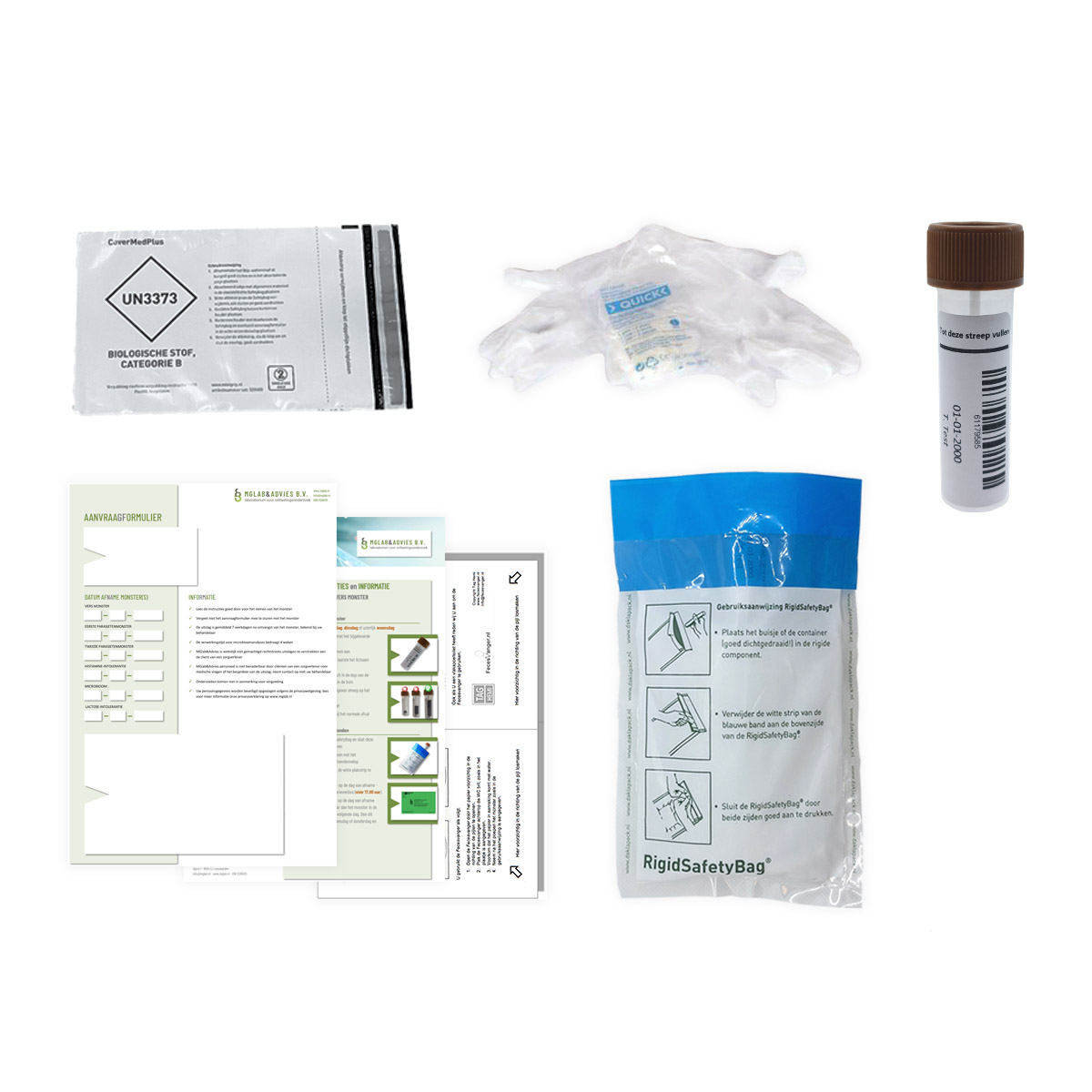
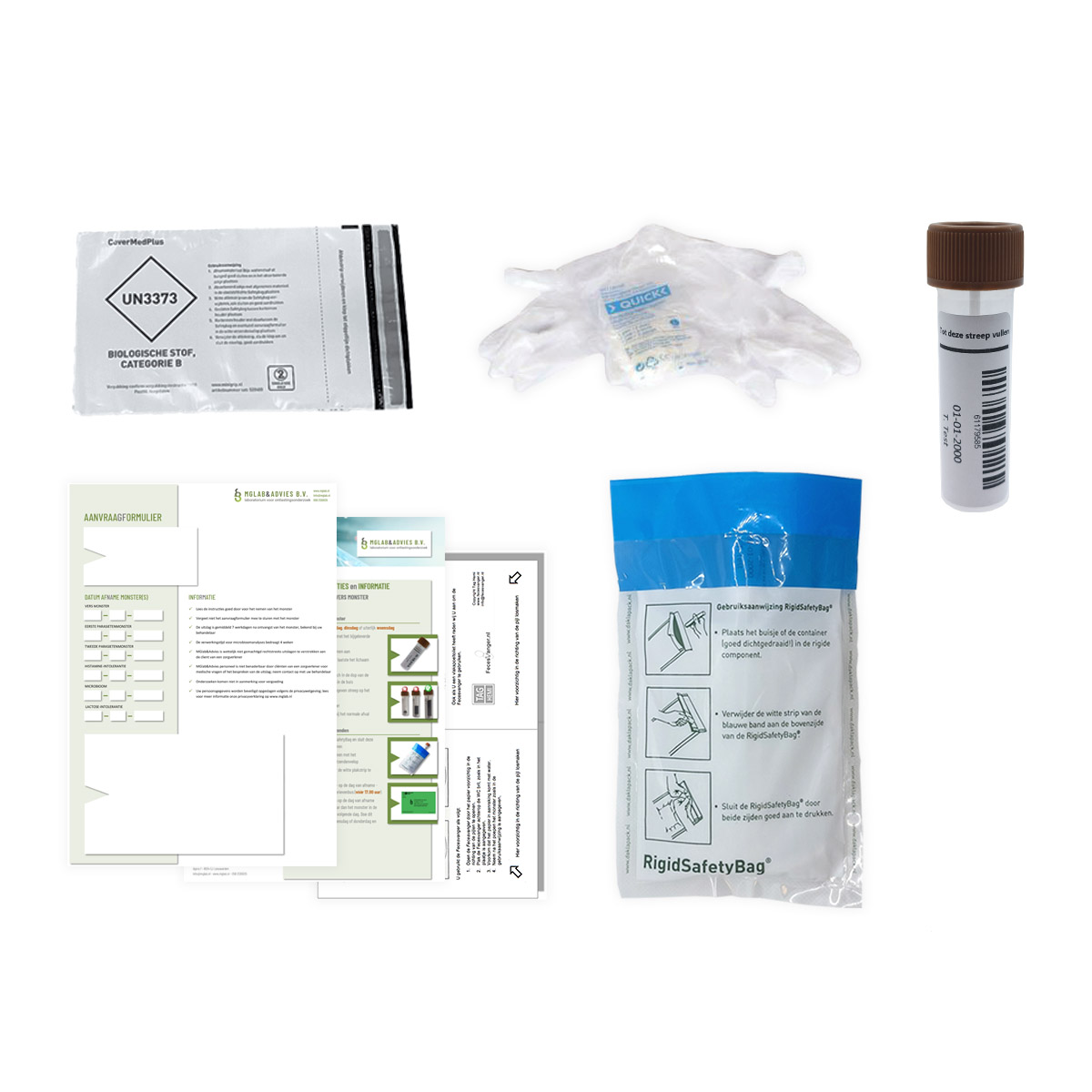
For persistent digestive complaints after eating bread or other grain products, stool testing through Darmklachten.nl may help in looking for the cause.



Causes of digestive complaints after eating bread
- Starch intolerance; bread contains a lot of starch
When you think about digestive complaints and bread, eating starch-rich products is also often the cause of complaints such as fatigue, a bloated abdomen and flatulence - Bread and starch can promote the growth of Candida or intestinal parasites
People who are infected with intestinal parasites or have high numbers of Candida in the intestine may develop complaints similar to those caused by starch-rich foods. The reason is that these organisms cause fermentation and gas formation. - Overweight
People who are overweight often eat too many starch-rich products. Digestive complaints and bread then go hand in hand in causing additional gas formation and changing the gut flora. - Hay fever from grass pollen; wheat and also spelt, oats and rice are grasses
Hay fever is, of course, an allergic reaction to grass pollen. People who have a grass pollen allergy also do not tolerate grains well. Just as they probably do not tolerate wheat and rye, they may also not tolerate maize and rice. - A wheat allergy (IgE allergy to omega-5 gliadin)
IgE can be formed against omega-5 gliadins. Wheat then causes digestive complaints and allergic symptoms, while eating spelt bread does not (spelt does contain gluten). If you become tired quickly when running and exercising, it is conceivable that a wheat allergy is the cause. - Gluten intolerance; there are several reasons for not tolerating gluten:
- Coeliac disease, gluten intolerance (alpha-gliadin) associated with IgA
If you do not tolerate bread or gluten, there is a 4% chance that the cause is coeliac disease. Coeliac disease is a disease caused by eating gluten in people who have a gluten intolerance. Gluten is a protein present in wheat and related grains such as rye, barley, spelt and kamut. - Gluten hypersensitivity
- Non-coeliac gluten sensitivity associated with IgG
- Allergy to gluten, particularly an allergy to glutenin
Digestive complaints caused by bread can also occur in people who have a gluten allergy: ten percent of people have an allergy to wheat or other grains. Eating gluten-free bread is therefore not always a solution. The existence of a true allergy to gluten has only recently been demonstrated. IgE plays a role in allergies; it is a very new finding showing that people can be allergic to the gluten fraction glutenin. Gluten is a complex mixture of gliadin and glutenin proteins.
- Coeliac disease, gluten intolerance (alpha-gliadin) associated with IgA
More information about the tests
- Starch – Determination of the starch content in the stool – read more…
- Antigliadin and anti-ht-Transglutaminase – Markers for gluten intolerance – read more…
- Yeasts and fungi – Testing for the presence of Candida albicans, among others – read more…
- Parasites – Testing for infections with intestinal parasites – read more…
About Darmklachten.nl
Darmklachten.nl is an initiative of MGlab&Advies, a laboratory specialising in stool testing. …read more