
See the most common symptoms below
Abdominal pain and abdominal complaints
Abdominal pain is a general term for all pain that occurs in the abdomen. The pain usually originates in the intestines, but it can also have another cause, for example stress, diet, gallstones, gastritis, a bladder infection or…

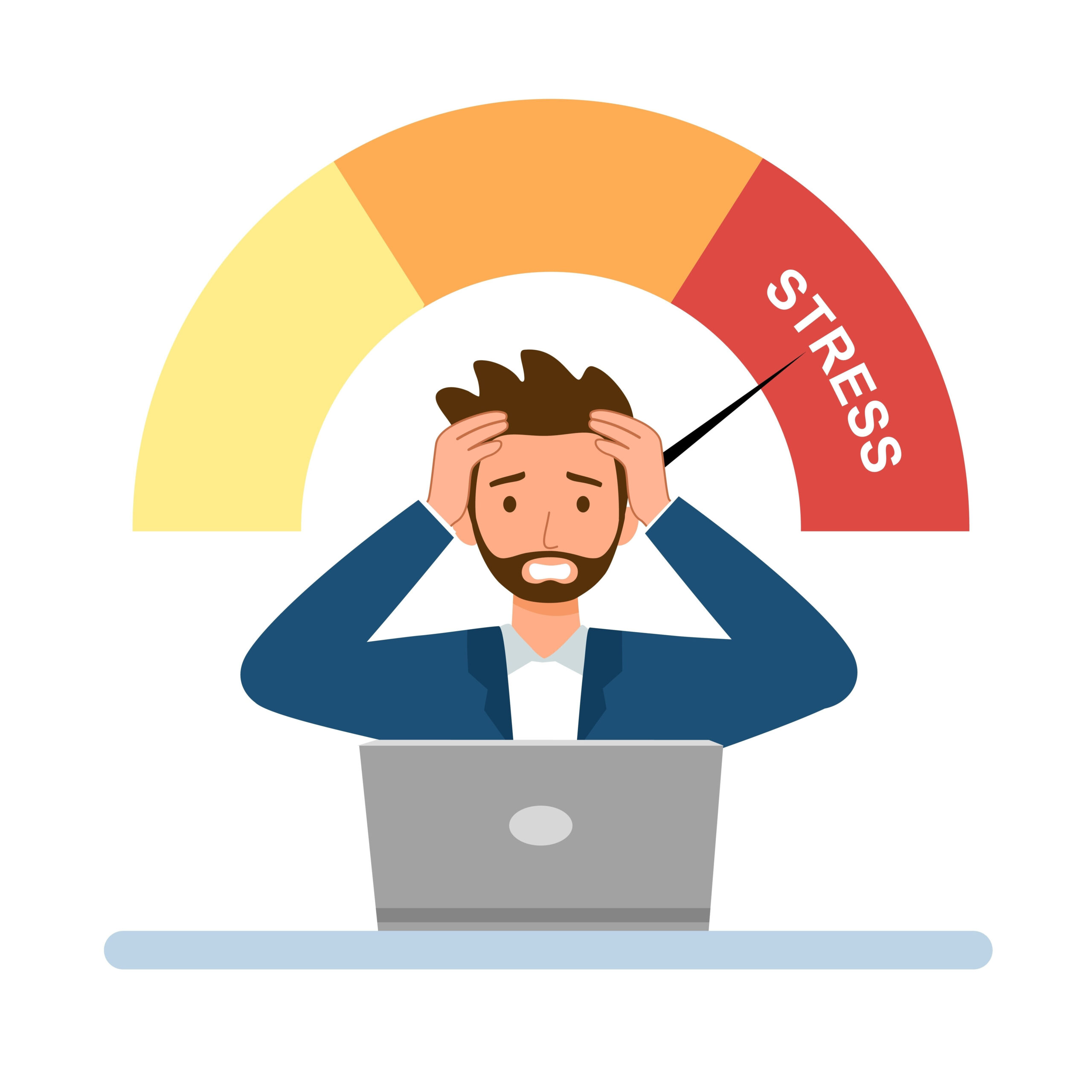
Stress and gastrointestinal complaints
Do you experience a lot of stress? This can have a negative effect on your abdomen and intestines. As a result, you may experience various symptoms, such as…
Constipation
If you are only able to pass stool once or a few times a week, this is referred to as constipation. There is often an urge to go, but no stool is passed, which can cause an unpleasant feeling in the abdomen…

Constipation
Constipation is characterised by slow bowel movements with hard, dry stools. The frequency is once every 3 days or less. There is often an urge to go, but no stool is passed…
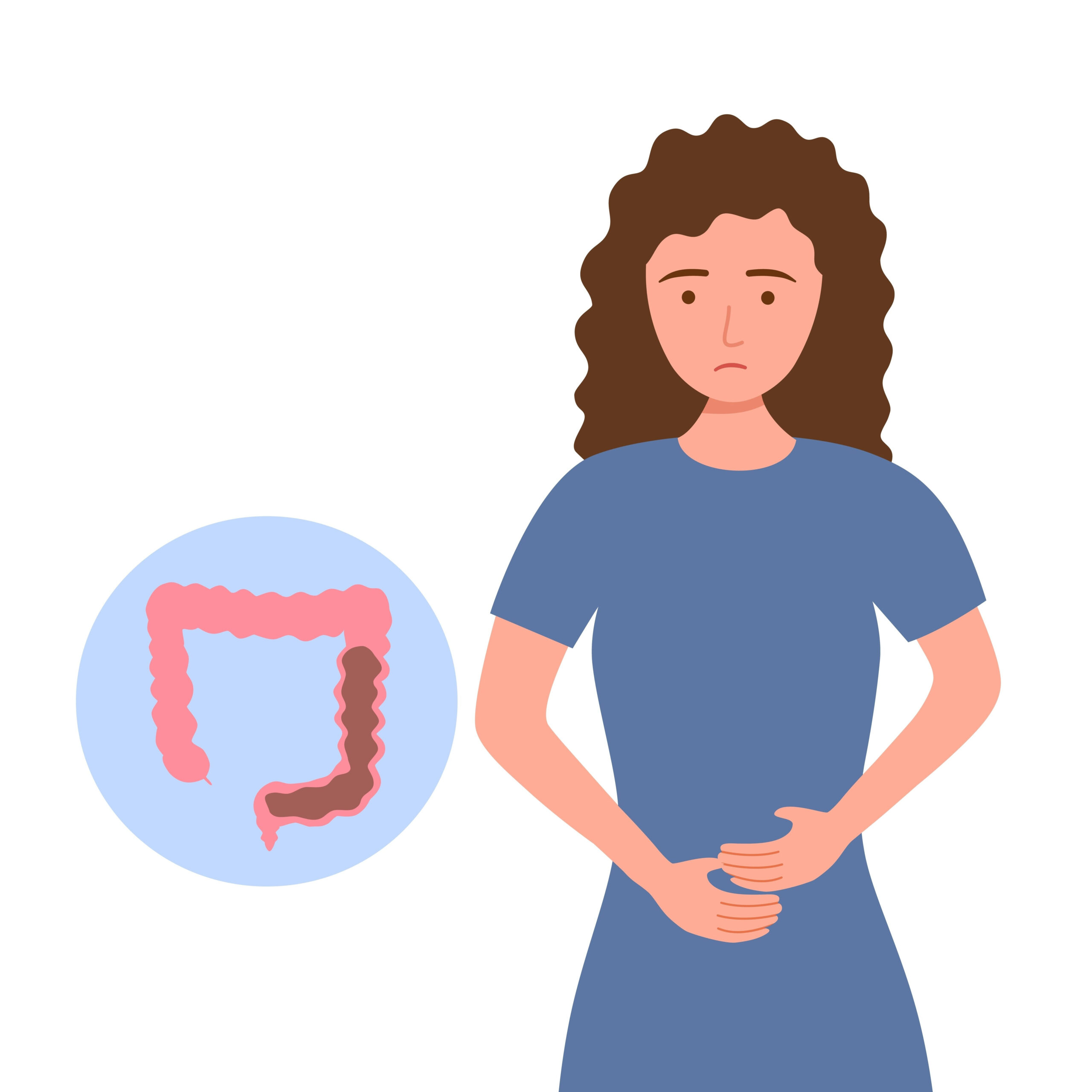
Loose stools / Diarrhoea
Every year, millions of people worldwide experience a period of diarrhoea. Diarrhoea consists of loose, unformed stools that may occur several times to as many as 20 times a day…

Chronic diarrhoea
Diarrhoea consists of loose, unformed stools that are difficult to hold in. There are two forms of diarrhoea: acute and chronic. In the first form…

Acute diarrhoea
Acute diarrhoea consists of loose, unformed stools that may occur several times to as many as 20 times a day. With diarrhoea, you may often…

Passing wind, gas formation and flatulence
An increase in gas formation and passing wind is defined as flatulence. Gases are produced in the intestines by gut bacteria; on average, people produce half a litre to one and a half…
Swollen or bloated abdomen
The abdomen can become swollen because the intestine increases in volume due to an infection or gas formation. A bloated abdomen often occurs together with…
Nausea and vomiting
Nausea manifests as a queasy feeling in the stomach area; sometimes your mouth waters or you feel like you need to vomit, and you may also start sweating. Nausea is sometimes accompanied by…

Stomach discomfort / Stomach pain
Stomach acid is needed to digest food and is found in the stomach. The stomach lining covers and protects the stomach wall and produces stomach acid. The stomach lining can…

Heartburn / Acid reflux
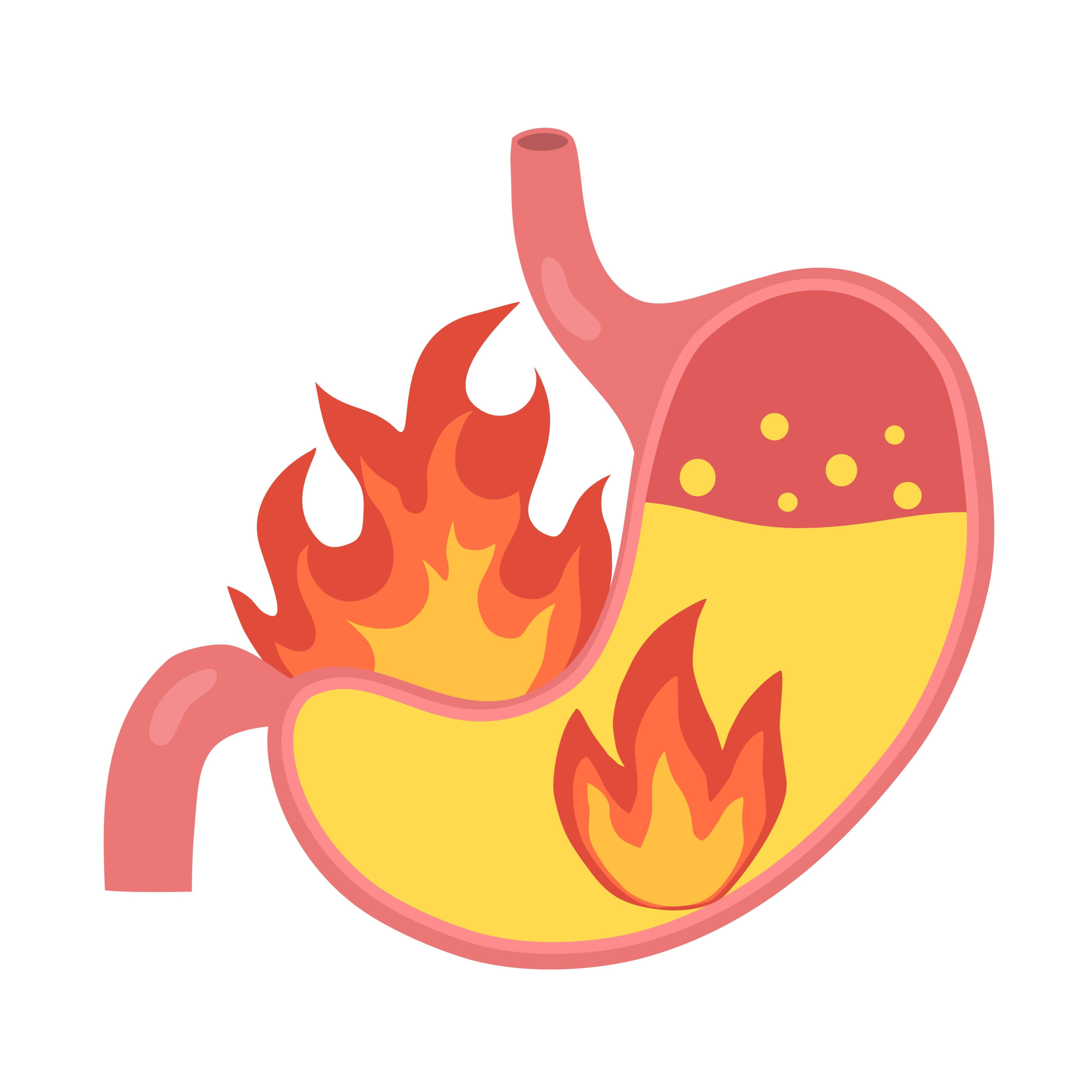
When some acid from the stomach reaches the mouth or oesophagus, this is called acid reflux or heartburn. Heartburn is irritation of the oesophagus caused by stomach acid…
Increased urgency and faecal incontinence
With a sudden, increased urge to defecate, it is often difficult to hold the stool and you need to find a toilet quickly. Sometimes you do not make it in time and lose some stool…

Perianal itching and pruritus
Anal itching is an itchy sensation at or around the anal sphincter. It is also called perianal itching or pruritus. It can cause irritation and sleepless nights. Men, women and…

Digestive problems
Digestion is the processing of food and involves many steps. Breakdown begins in the mouth with chewing and mixing with saliva. The stomach, bile and pancreatic enzymes, and the gut flora each play a specific…
What does the colour of your stool mean?
Normal human stool is firm, well formed and brown due to remnants of our blood. The brown colour of the stool varies from light brown (peanut-butter-like) to…

Pale stools
A pale, greyish colour of the stool indicates that no bile pigments are present or that there is a lot of fat. The cause may also be reduced function…

Yellow stools
Human stool varies greatly in appearance and colour. Normal stool is firm and well formed and brown due to remnants of our blood. Yellow stools usually…

Black stools
The cause of black stools is not always easy to determine. It may possibly be caused by certain…

Blood in the stool
Under normal circumstances, there is no blood in the stool. The lining of the stomach and intestines is sensitive and can quickly…

Soft, mushy stools
Soft, mushy stools are soft, sticky and poorly formed. The stool sticks to the toilet bowl and you need to use toilet paper several times…

Foul-smelling stools
A strong stool odour can indicate a disorder. Normal stool has an odour caused by bacterial fermentation of nutrients and by dead…
Fatty stools
Under normal circumstances, stool contains 0 to 4 grams of fat per 100 grams of stool. An increase in fat content manifests as fatty…

Mucus in the stool
Mucus in the stool originates from the lining of the intestines. The mucus may be present on the outside of the stool…

Insomnia with gastrointestinal complaints
Insomnia is a sleep disorder in which a person has difficulty falling asleep and/or staying asleep. Adults should sleep seven to eight hours per night. Insufficient sleep can…

Rapid heartbeat / palpitations
Palpitations manifest as a heart rate that is faster than normal at rest. A healthy adult heart normally beats 60 to 90 times per minute at rest. The heart is made up of…
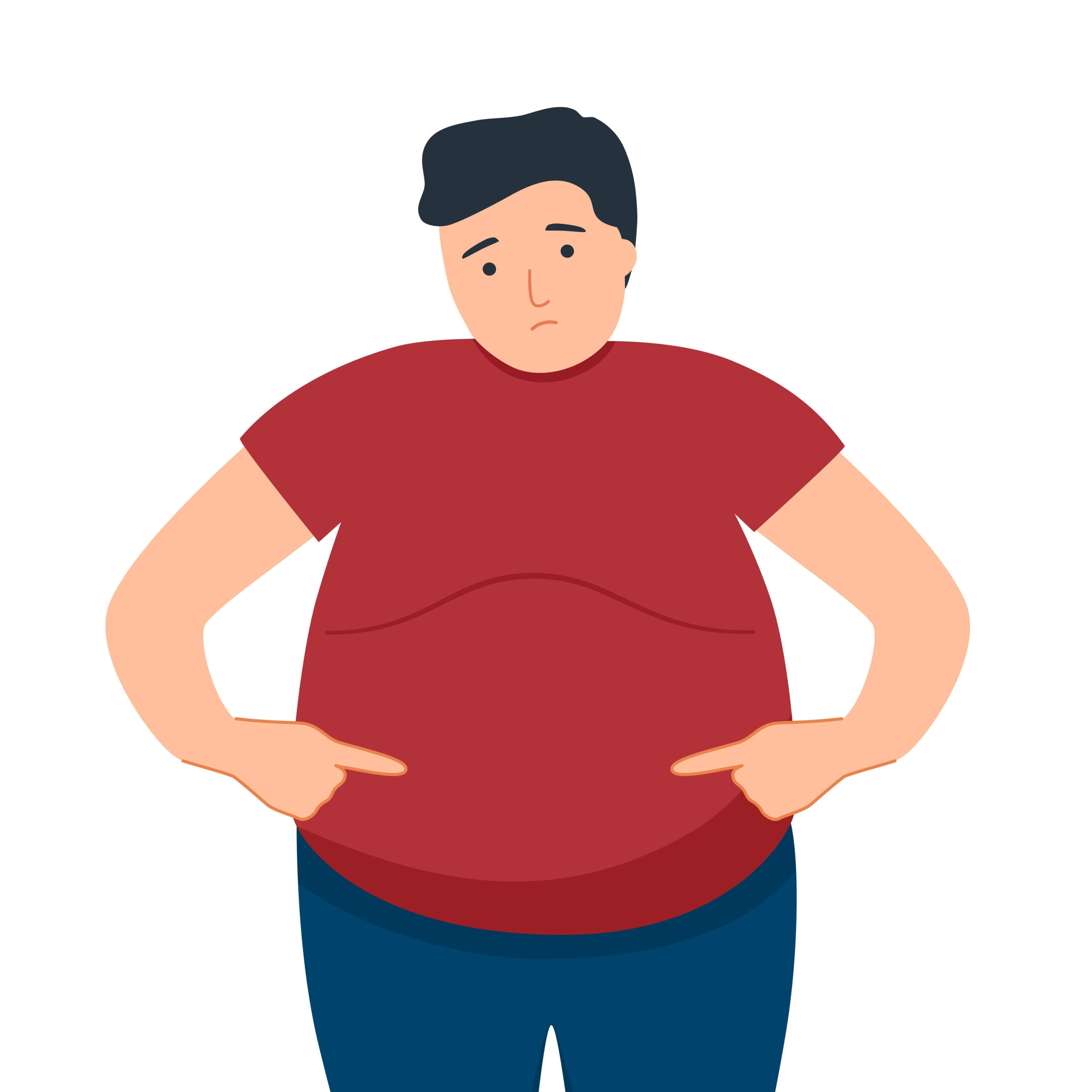
Overweight / weight gain / increased body fat
Overweight is defined as excessive body weight due to an increase in body fat. It manifests as a visible increase in…

Hair loss
Hair loss is an increase in the loss of scalp hair, with or without an abnormality of the hair follicles. Loss of body hair can also occur. There are…

Depression and gastrointestinal complaints
Depression is a mood disorder that manifests as a persistent feeling of sadness and loss. These feelings may be temporary due to a particular event…

Weight loss
Weight loss means a reduction in body weight. Weight is influenced by calorie intake, the amount of physical activity and, to a limited extent, by…
Causes of itching
Itching of the skin, ears, eyes, palate, vagina and anus is an uncomfortable, irritating sensation that creates an urge to rub…

Fatigue and gastrointestinal complaints
Fatigue is a feeling of exhaustion that is not relieved by rest. The fatigue can be physical, affecting the energy needed for walking and cycling…
Headache
Headache is pain that can occur in different regions of the head: on one or both sides of the head, the forehead, the top of the head, or the neck and…

Gastrointestinal complaints caused by bread or grains
Eating bread and sometimes other grains can cause gastrointestinal complaints. More and more people notice that they feel better without bread. If you have avoided bread and gluten-containing products for a month, you can…

About Darmklachten.nl
Darmklachten.nl is an initiative of MGlab&Advies, a laboratory specialising in stool testing…