
What you should know about fatty stool
With moderate to poor fat digestion, the fat content of the stool increases and it can be greasy, sticky and light in color. Under normal circumstances, stool contains 0 to 4 grams of fat per 100 grams of stool. An increase in fat indicates a lack of stomach acid or problems with the bile or pancreas. When fats are not absorbed, the fat-soluble vitamins A, D, E and K are also lost. Impaired absorption of fat through the wall of the small intestine can also result in fatty diarrhoea. This absorption can be disrupted by damage to the wall of the small intestine, for example due to an intestinal condition such as Crohn’s disease or a gluten intolerance such as coeliac disease. If someone has impaired absorption of nutrients, they may experience unexplained weight loss and nutrient deficiencies in addition to fatty diarrhoea. If you want to know whether you digest nuts poorly, you can first determine the fat content of the stool without nuts and then repeat the test with nuts (or, if you eat nuts, the other way around: the fat content is determined first and the test is repeated while nuts and seeds are omitted.
 Measuring poor digestion
With moderate to poor fat digestion, the fat content of the stool increases. The stool may be greasy and sticky and light in color. If you want to know whether you digest nuts poorly, you can first determine the fat content of the stool without nuts and then repeat the test with nuts. The reverse is of course also possible; if you already eat nuts, the fat content is measured first and the test is repeated while nuts and seeds are omitted.
To detect gallbladder and pancreatic problems, the fat content of the stool is also measured. It is important not to eat nuts and seeds for a week beforehand, because they contain a lot of fat that is not always properly digested. If this causes the fat content of the stool to rise, high fat values may make it appear that you have a disease when this is not actually the case. To test the function of the gallbladder and pancreas, saturated fats should in fact be consumed. If you remove fat from your diet, you will of course not see high fat excretion in the stool. A few days before the analysis, you can use butter and bacon fat and, for example, eat fried potatoes. With good digestion, this does not cause an increase in fat in the stool.
Symptoms associated with fatty stool
- White or beige stool (similar to putty)
- Foul-smelling stool
- Diarrhoea
- A changing bowel pattern
- Weight loss
- Abdominal pain
- A bloated abdomen
- Sticky stool
- Vitamin D deficiency
Testing for fatty stool
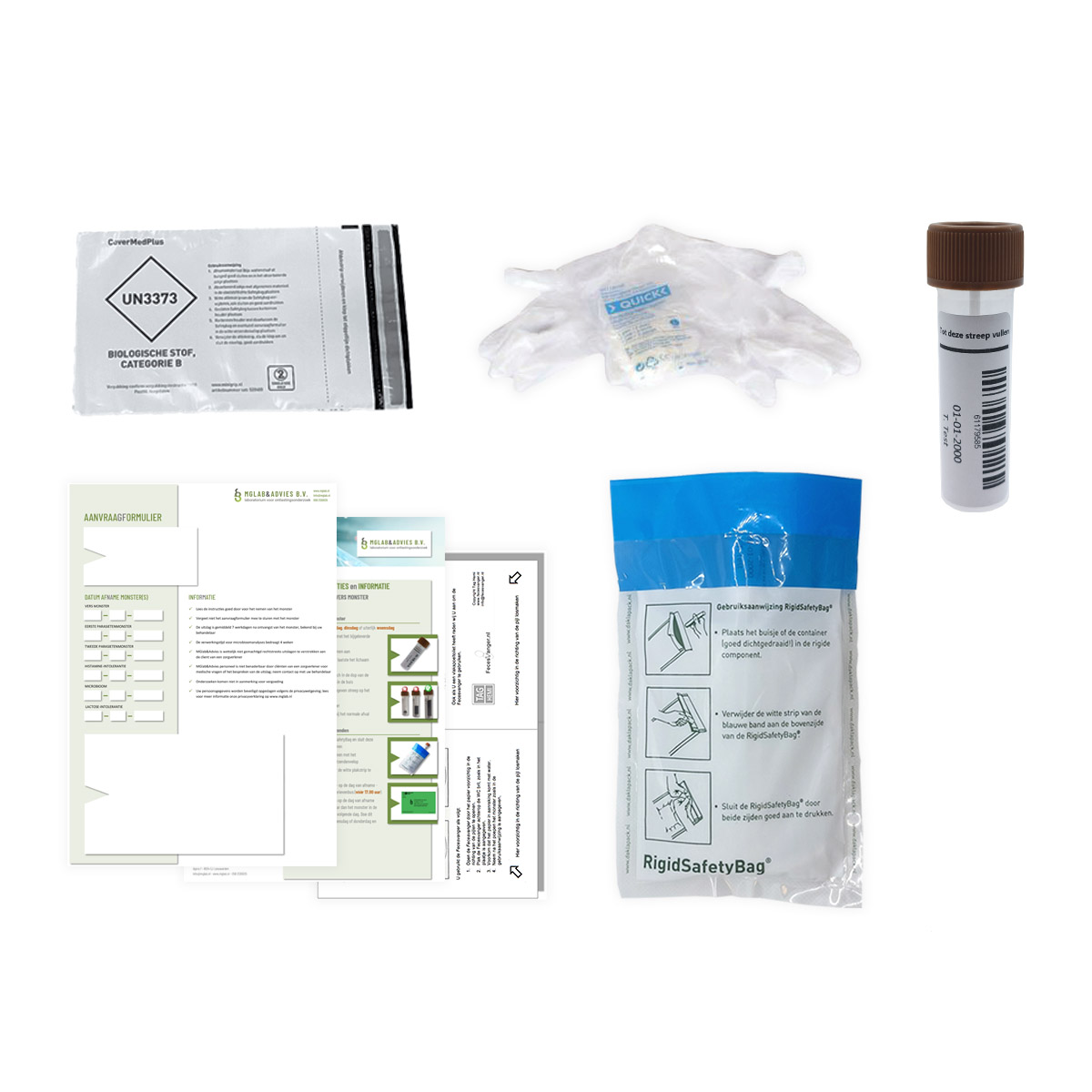
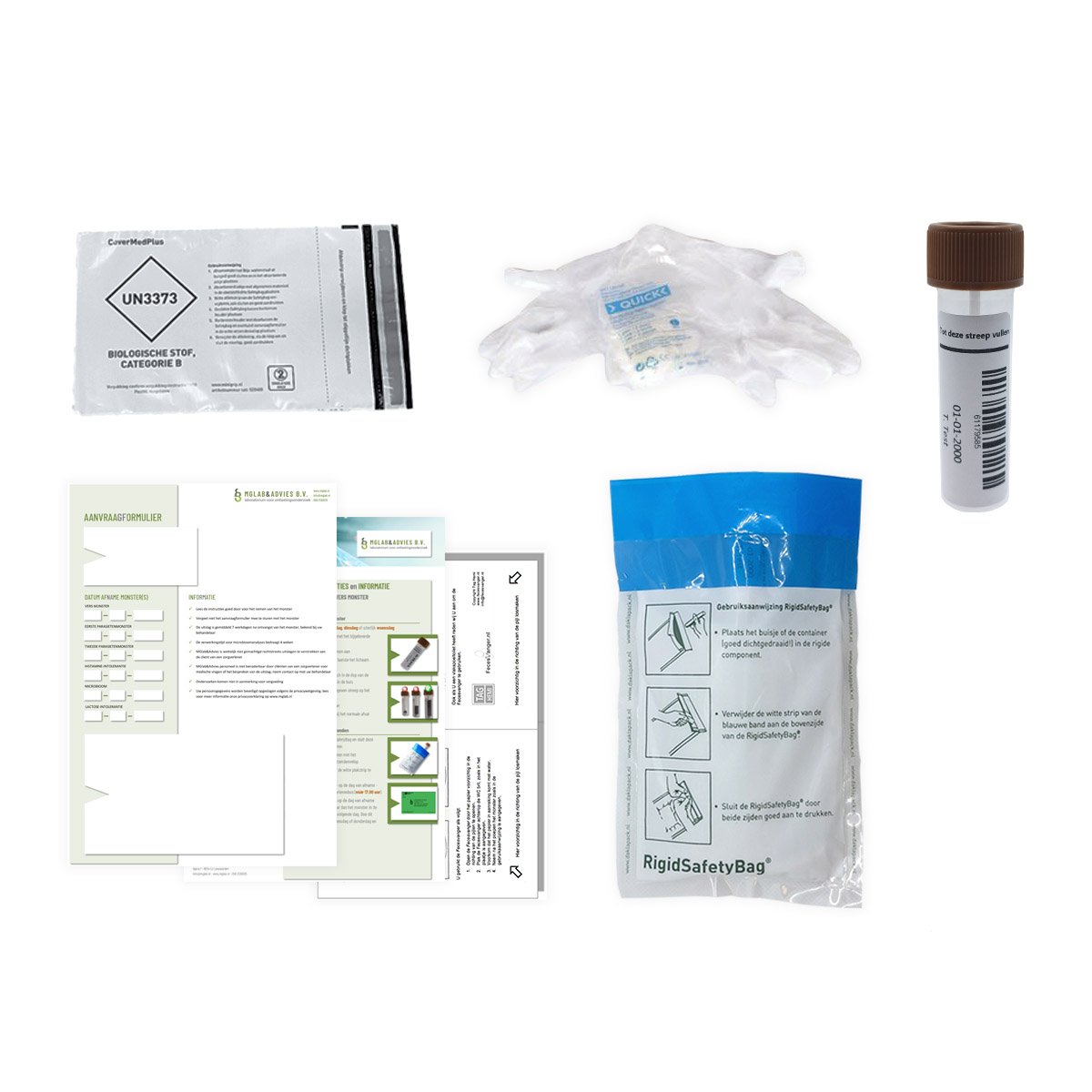
For foul-smelling stool that is light in color and sticky, stool testing through Darmklachten.nl may help in looking for a cause. See our recommended test packages and individual modules below.




Additional (blood) tests
For pale, sticky and fatty stool, in addition to stool testing, it is advisable to also have (blood) tests carried out for the following parameters:
- Upper abdominal scan
- Blood test
- Anaemia
- High bilirubin
- Liver abnormalities
- Vitamin D deficiency
Causes of fatty stool
- Lack of stomach acid or acid-suppressing medication
- Bile duct obstruction due to gallstones
- Liver disease
- Alcoholism
- Deficiency of pancreatic enzymes
- Obstruction of the pancreatic ducts (cancer)
- Coeliac disease – gluten intolerance
- Bacterial infection
- Giardia lamblia
- Intestinal diseases such as Crohn’s disease and ulcerative colitis
- Eating nuts
More information about the tests
- Digestive parameters pH, fat, starch, color and consistency of the stool – read more…
- Gut flora analysis – Testing part of the gut microbiota – read more…
- Microbiome – Testing the complete composition of the gut microbiota – read more…
- Antigliadin and anti-ht-Transglutaminase – Markers for gluten intolerance – read more…
- Calprotectin – Inflammation marker for Crohn’s disease and ulcerative colitis – read more…
- Bile acids – Digestion of fat – read more…
- Pancreatic elastase – Breakdown of fat, starch and proteins – read more…
- For diarrhoea: Bacterial infection with Salmonella, Campylobacter, Shigella, Yersinia and Clostridioides difficile – read more…
- Giardia lamblia – Small-intestinal parasite – read more…
- High bilirubin
- Liver abnormalities
- Vitamin D deficiency

About darmklachten.nl
Darmklachten.nl is an initiative of MGlab&Advies, a laboratory specializing in stool testing. …read more