
Common stomach and intestinal conditions
Gastrointestinal complaints can be associated with a wide range of conditions, from persistent functional symptoms and inflammation to infections, food intolerances and other changes in the digestive system. Below you will find an overview of common conditions, with a clear summary for each topic and a link to more detailed information.
View the categories below and read more about the topic you would like to learn about.
Quick links
show
hide
Go directly to the topic you are looking for.
Chronic gastrointestinal complaints
Long-standing or recurrent gastrointestinal complaints without an immediately identifiable structural cause.
Irritable bowel syndrome (IBS)
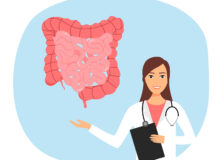
Irritable bowel syndrome (IBS) can cause intestinal cramps, abdominal pain, bloating, diarrhoea or constipation. The diagnosis is usually made when no clear structural cause is found. Because similar symptoms can also occur with other conditions, it is important to consider the overall pattern of symptoms and, where necessary, rule out other possible causes.
Haemorrhoids
Swollen blood vessels around the rectum and anus, with symptoms such as pain, itching or bleeding.
Haemorrhoids: symptoms and treatment
Haemorrhoids are swollen blood vessels in the last part of the rectum or around the anus. They can occur internally or externally and can cause symptoms such as itching, pain, tenderness and bleeding. External haemorrhoids can sometimes become inflamed or develop a blood clot. Read more about how haemorrhoids develop, which symptoms commonly occur and which treatment options are discussed.

Altered gut flora
Changes in the composition and balance of bacteria in the gut.
What is altered gut flora?
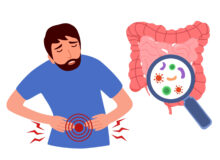
Gut flora refers to the large community of bacteria and other microorganisms in the gut. These microorganisms play a role in digestion, immune function and the production of certain substances, among other things. When the composition changes, this is sometimes referred to as altered gut flora. Read more about the function of gut bacteria, possible disturbances and how the gut flora can be examined.
Gut bacteria
Bacterial infections and disturbances that can cause diarrhoea and other gastrointestinal complaints.
Bacterial infections and diarrhoea
An acute bacterial infection of the small or large intestine can cause diarrhoea, abdominal cramps and other gastrointestinal complaints. Different types of bacteria may be involved, and the severity of symptoms varies by infection and from person to person. Read which bacterial infections are discussed, which symptoms may occur and when testing for a possible bacterial cause may be relevant.
Clostridium difficile
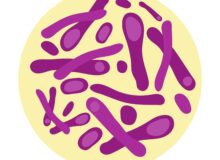
Clostridium difficile is a spore-forming bacterium that can cause problems particularly when the normal gut flora has been disrupted. The bacterium can produce toxins and thereby cause diarrhoea and inflammation of the colon. Infection is seen, among other situations, after antibiotic use. Read more about Clostridium difficile, possible symptoms, risk factors and how an infection can be investigated.
Intestinal inflammation
Chronic inflammatory diseases of the bowel, including ulcerative colitis and Crohn’s disease.
Ulcerative colitis and Crohn’s disease
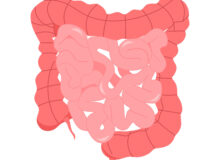
Ulcerative colitis and Crohn’s disease are chronic inflammatory diseases of the gastrointestinal tract and are often collectively referred to as IBD. Both conditions can cause symptoms such as abdominal pain, diarrhoea, fatigue, and blood or mucus in the stool. The location and nature of the inflammation differ. Read more about the characteristics, possible causes and tests used for these conditions.
Intestinal parasites
Single-celled parasites that can occur in the gut and cause a range of symptoms.
What are intestinal parasites?
A parasite lives at the expense of a host and can in some cases cause symptoms. Intestinal parasites can be present in different parts of the gastrointestinal tract and can cause a range of symptoms, from abdominal pain and flatulence to changes in the stool. Not every infection causes clear symptoms. Read which intestinal parasites occur, how infection can take place and how testing for parasites is performed.

Dientamoeba fragilis
Dientamoeba fragilis is a single-celled intestinal parasite that can occur in the human colon. Some people have no clear symptoms, while others experience abdominal pain, bloating or changes in bowel habits. The significance of a positive test therefore depends on the overall pattern of symptoms. Read more about infection, possible symptoms and testing for Dientamoeba fragilis.
Giardia lamblia
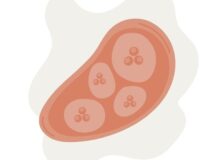
Giardia lamblia is a single-celled parasite that can be present in the small intestine. An infection can interfere with the absorption of nutrients and cause symptoms such as diarrhoea, abdominal pain, nausea, gas and fatigue. Symptoms may develop acutely but can also persist for longer. Read more about Giardia, how infection occurs, possible effects on digestion and laboratory testing for the parasite.

Blastocystis hominis
Blastocystis hominis is a single-celled microorganism that can occur in the colon. In many people it is found without clear symptoms, while others report abdominal pain, flatulence or changes in the stool. The significance of a positive result should therefore be assessed in conjunction with symptoms. Read more about Blastocystis hominis, possible symptoms and testing for its presence in the gut.
Gallbladder problems
Conditions in which the storage and release of bile may be disrupted.
Gallbladder problems
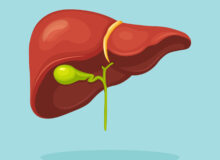
The gallbladder is a small organ beneath the liver that stores bile and releases it when needed for the digestion of fats. Problems with the gallbladder or bile ducts can cause upper abdominal pain, nausea and changes in digestion, among other symptoms. Read more about the function of the gallbladder, possible conditions and the symptoms that can occur.
Cancer
Information about malignant conditions of the pancreas and colon.
Pancreatic cancer
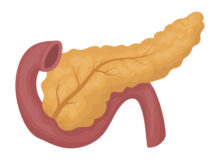
The pancreas lies behind the stomach and plays an important role in digestion and the regulation of blood sugar. Pancreatic cancer is a malignant tumour that develops in this organ. Symptoms are not always clear at an early stage. Read more about the function of the pancreas, possible symptoms, risk factors and how further investigation is carried out when a condition is suspected.
Colon cancer
Colon cancer develops from cells in the wall of the colon and often arises from a polyp. The condition can cause changes in bowel habits, bleeding, abdominal pain or unintentional weight loss, although symptoms may also remain absent for a long time. Read more about possible symptoms, how bowel cancer develops and the tests used to detect abnormalities in the colon.
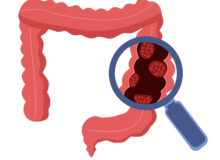
Stomach complaints
Conditions of the stomach and upper digestive tract, such as reflux, stomach ulcers and Helicobacter pylori.
Stomach ulcer
A stomach ulcer is damage to or inflammation of the lining of the stomach or duodenum. The protective mucus layer is then unable to protect the tissue sufficiently against stomach acid. Symptoms can include upper abdominal pain, nausea or heartburn. Read more about possible causes, including Helicobacter pylori and medication use, as well as testing and treatment.
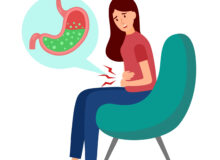
Helicobacter pylori
Helicobacter pylori is a bacterium that can be present in the stomach lining. Many people have few or no symptoms, but in some people the bacterium can cause inflammation of the stomach lining or a stomach ulcer. Its presence can be established with various tests. Read more about infection, possible symptoms, the relationship with stomach ulcers and testing for Helicobacter pylori.
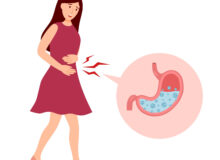
Reflux and heartburn
With reflux, stomach contents flow back into the oesophagus. This can cause a burning sensation behind the breastbone, acid regurgitation, an irritated throat or other symptoms. Occasional reflux is not unusual, but recurrent symptoms can be troublesome. Read more about how the sphincter between the stomach and oesophagus works, possible causes and factors that can worsen reflux.
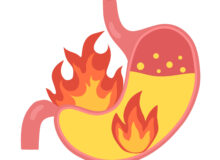
Digestive problems
Digestion is the process by which food is broken down step by step and nutrients are absorbed. The mouth, stomach, bile, pancreas, small intestine and colon work together in this process. When one part does not function properly, symptoms such as abdominal pain, gas, nausea or abnormal stools can develop. Read more about the different stages of digestion and possible causes of digestive problems.
Overweight
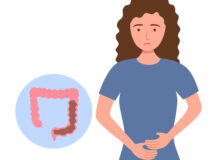
Overweight and its possible relationship with metabolism, body fat and gut health.
Overweight and body fat
Overweight occurs when body weight rises above a healthy range because of an increase in body fat. Weight is influenced by diet, physical activity, metabolism, sleep, hormones and other factors. The relationship between gut health and body weight is also receiving scientific attention. Read more about BMI, abdominal fat, possible health risks and factors that may play a role in weight gain.

Fungal infection
Candida, yeasts and fungi that may naturally be present but can sometimes cause symptoms.
Candidiasis – infection with Candida albicans
Candida albicans is a yeast that can naturally occur on and in the human body. Under certain circumstances, Candida can multiply more extensively and cause symptoms. The presence of Candida therefore does not automatically mean that an infection is present. Read more about Candida albicans, factors that can influence overgrowth, possible symptoms and the significance of testing for yeasts and fungi.

Candida: yeasts and fungi
Candida belongs to the yeasts and is part of the fungal kingdom. Yeasts and fungi are common in nature and can also form part of the human microbiome. Their balance with other microorganisms is important. Read more about different types of yeasts and fungi, their place in the gut and when a change may become relevant.
Food intolerance
Reactions to food components such as gluten or histamine and the symptoms that may occur with them.
Gluten intolerance (coeliac disease)
Coeliac disease is an autoimmune disease in which gluten causes an inflammatory reaction in the small intestine. Symptoms can include abdominal pain, diarrhoea, bloating, fatigue or deficiencies caused by reduced absorption of nutrients. However, not every symptom after eating bread is caused by gluten. Read more about coeliac disease, possible symptoms and why testing is preferably carried out before gluten is avoided for a prolonged period.

Histamine intolerance
Histamine is a substance naturally present in the body that is involved in immune reactions, stomach acid production and signalling in the nervous system, among other functions. Histamine is also present in various foods. When its breakdown is insufficient, a range of symptoms may develop. Read more about the role of histamine, the enzyme diamine oxidase, possible symptoms and how histamine intolerance is discussed and investigated.

Worms
Multicellular parasites such as pinworms and other worms that can occur in the gut.
Pinworms
Pinworms, Enterobius vermicularis, are small worms that occur regularly, especially in children. The worms live in the gut and the females lay their eggs around the anus, which can cause itching particularly at night. Infection can spread easily within families. Read more about recognising pinworms, routes of transmission, symptoms and measures to reduce reinfection.
Intestinal worms
Different types of worms can occur in the human gut and are then classified as multicellular parasites. The route of infection, location in the body and possible symptoms differ by species. Some infections cause few symptoms, while others can cause abdominal or intestinal complaints. Read more about different intestinal worms, possible routes of transmission, symptoms and testing for a worm infection.