
What you should know about stool color
Normal human stool is firm, well formed and brown in color due to remnants of our blood. The brown color of stool varies from light brown (peanut-butter-like) to dark brown (chocolate spread). Bile and bilirubin come from red blood cells and are responsible for the brown color. Dark stool indicates that it has remained in the body longer. In newborn babies, fecal matter is initially yellow-green. In adults and young children, stool can vary considerably in appearance and color. The color of stool can tell us a great deal about our health. An abnormal color can have various causes. A change in color may be caused by certain foods, medications or an underlying medical condition.
 Bile
Bile contains the substance bilirubin, which comes from red blood cells. In the intestine, bilirubin is converted by bacteria into urobilinogen, which colors the stool brown. Without this substance, the stool looks like putty. The liver plays an important role in detoxifying chemical substances by breaking them down. Humans come into contact with thousands of chemical substances that are present in food, household products and medications. The substances converted in the liver are excreted with the bile. Bile binds the toxic substances that enter the intestine so that they can leave the body through the stool. The large intestine contains bacteria that can release the harmful substances bound to bile again. In this way, the toxic substances and bile salts re-enter the bloodstream and are transported back to the liver.
Symptoms associated with abnormal stool colors
- Yellow: Yellow stool (diarrhoea) combined with a strong foul smell is often caused by an intestinal disorder and accelerated transit. Read more….
- Green: Green stool is often not a reason to panic. It is advisable to contact a doctor when green stool is accompanied by the following symptoms:
- Nausea and vomiting
- Fatigue
- Cramps
- Itching or itchy skin
- Muscle pain
- Mucus in your stool
- Fever
- Dizziness
- Chills
Read more…
- Black: Black diarrhoea may indicate inflammation in the stomach or intestine or cancer. Consult a doctor when the following symptoms occur in combination with diarrhoea:
- A changing bowel pattern
- Weight loss
- Fatigue
- Abdominal pain
- A bloated abdomen
- Sticky stool
Read more…
Testing for an abnormal stool color
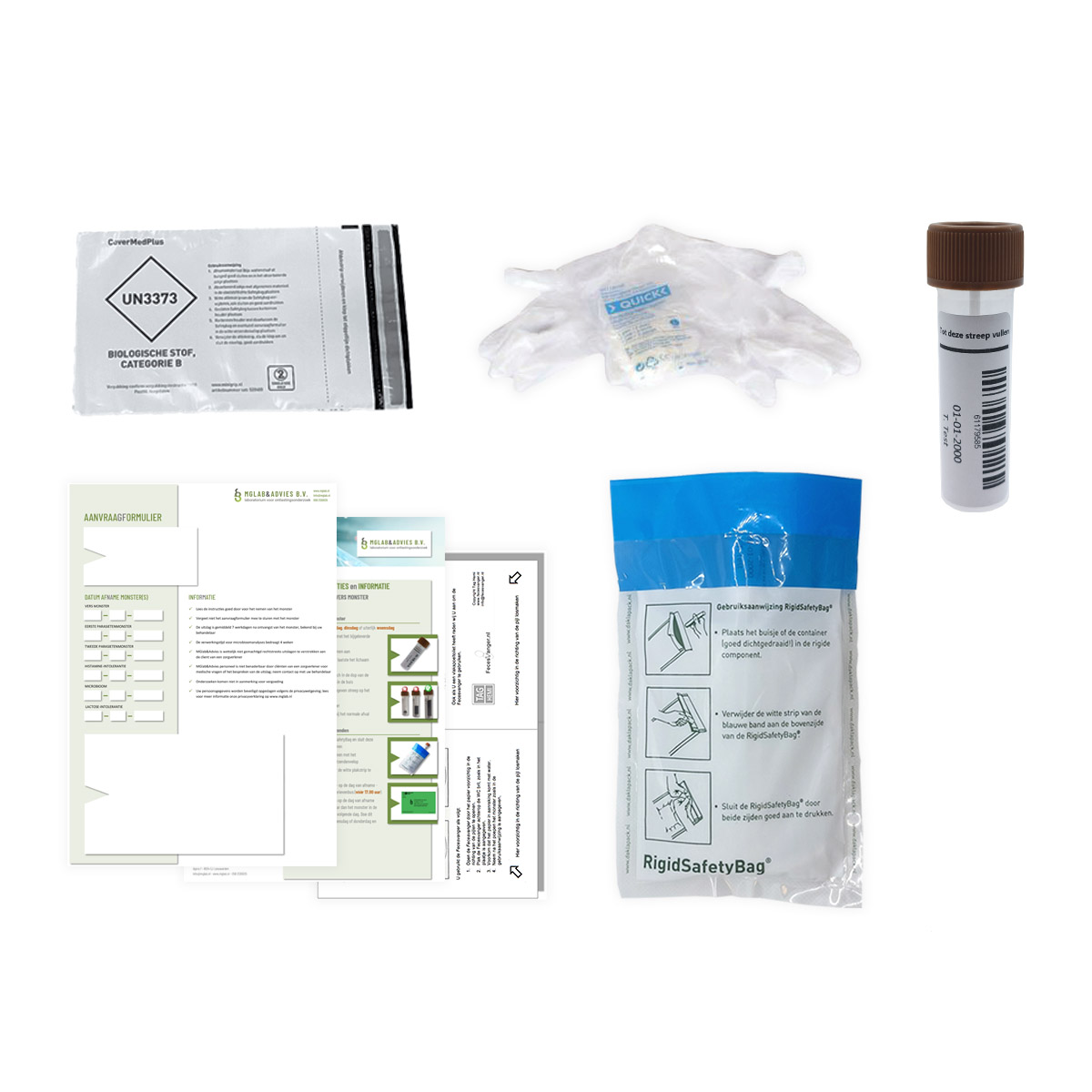
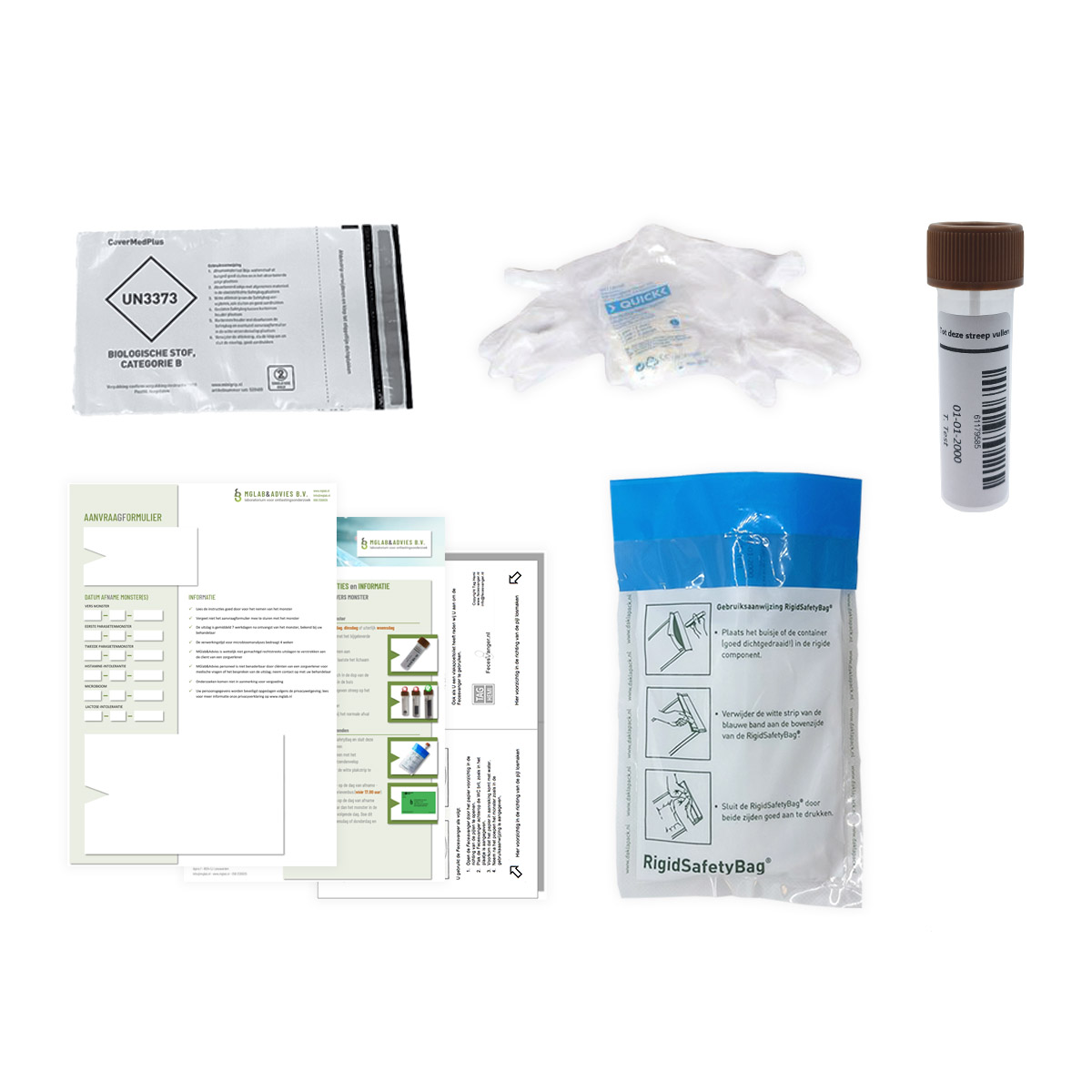
For a persistent abnormal stool color, stool testing through Darmklachten.nl may help. See our recommended test packages and individual modules below.




Causes of an abnormal stool color
- In people who eat a lot of vegetables, the stool may be green
- After eating red beets, the stool may be red
- When the bile ducts are obstructed, the color is light brown to gray and putty-like
- Red streaks of blood are usually caused by bleeding in the rectum or anus
- Very dark or black stool indicates blood loss from the stomach or intestine
- Medication
More information about the tests
- Digestive parameters pH, fat, starch, color and consistency of the stool – read more…
- Bile acids – Digestion of fat – read more…
- Blood in the stool – read more…

About darmklachten.nl
Darmklachten.nl is an initiative of MGlab&Advies, a laboratory specializing in stool testing. …read more