
What you should know about poor digestion
Digestion is the processing of food and involves many steps. Breakdown begins in the mouth with chewing and mixing with saliva. The stomach, bile and pancreatic enzymes, and the intestinal flora each play a specific role in processing easily digestible food. Food that is not easily digestible, such as fiber, is broken down by bacteria in the large intestine. When this processing is disrupted, the body gives a signal, which may take the form of heartburn, constipation or abdominal pain. Poor digestion can also affect health.
The digestive tract is an organ that begins in the mouth and ends at the anus. The digestive process begins in the mouth, and food consisting of fat, starch and proteins is broken down into molecules. Food is chewed and mixed with saliva, which is rich in amylase, an enzyme that breaks down starch. The tongue plays a major role in our lives because it contains taste buds. Pleasant flavors give us pleasure and create preferences for certain foods. Taste buds also play a role in addiction; in particular, the combination of starch (or sugar), salt and fat has an addictive effect.
Through the mouth, the brain receives signals that are passed on to the stomach, which starts the production of stomach acid. Gastrin is the hormone that stimulates stomach-acid secretion and the growth of the stomach lining. Gastrin also stimulates the release of histamine. When the food mixture in the stomach is acidic enough, hormones activate the gallbladder and pancreas. The gallbladder contracts, releasing bile that mixes with fats from food. The pancreas is stimulated to release digestive enzymes, which break down proteins, starches and fats. Amylase produced by the pancreas helps to break down starch further.
Digestible food is broken down into molecules and absorbed through the wall of the small intestine. The released glucose molecules are absorbed through the intestinal wall and enter the blood, where they are referred to as blood sugar. Some of the glucose molecules are converted into fat to prevent blood sugar from rising too much. The fats end up in fat cells and the liver. Part of the immune system is located in the small intestine, and the cells of the intestinal wall have a detoxifying capacity. In addition, specialized cells produce brain hormones (peptides such as serotonin) that influence our feelings.
The large intestine has the function of digesting food. Fiber-rich food is not broken down by enzymes. Bacteria present in the final part of the small intestine and in greater numbers in the large intestine have enzymes that break down fiber. Adults have 1 to 1½ kilograms of bacteria in the large intestine that break down plant fibers. Bacterial fermentation uses non-human enzymes that convert fiber into short-chain fatty acids, such as butyric acid. Bacteria can produce more than 1,000 calories per day. The wall of the large intestine is nourished by these fatty acids, and the body also benefits because fatty acids are absorbed into the blood. Mucus molecules are also formed, which contribute to good resistance.
 Immunity and the gut
The gut contains enormous numbers of lymph nodes and comprises a large part of the immune system. The mucous membranes of the gastrointestinal tract form a whole, are in contact with one another and exchange information. The immune systems of the gastrointestinal tract also communicate intensively with the mucous membranes of other organs, such as the bladder, vagina, mouth and eyes.
Symptoms of poor digestion
Poor digestion can cause complaints associated with:
- Foul-smelling stool
- Food remnants in the stool
- Flatulence and a bloated abdomen
- Mushy stool containing food remnants
- Heartburn or stomach complaints
- A bloated abdomen due to an intestinal disorder
- Fatigue
- Belching
Testing for poor digestion
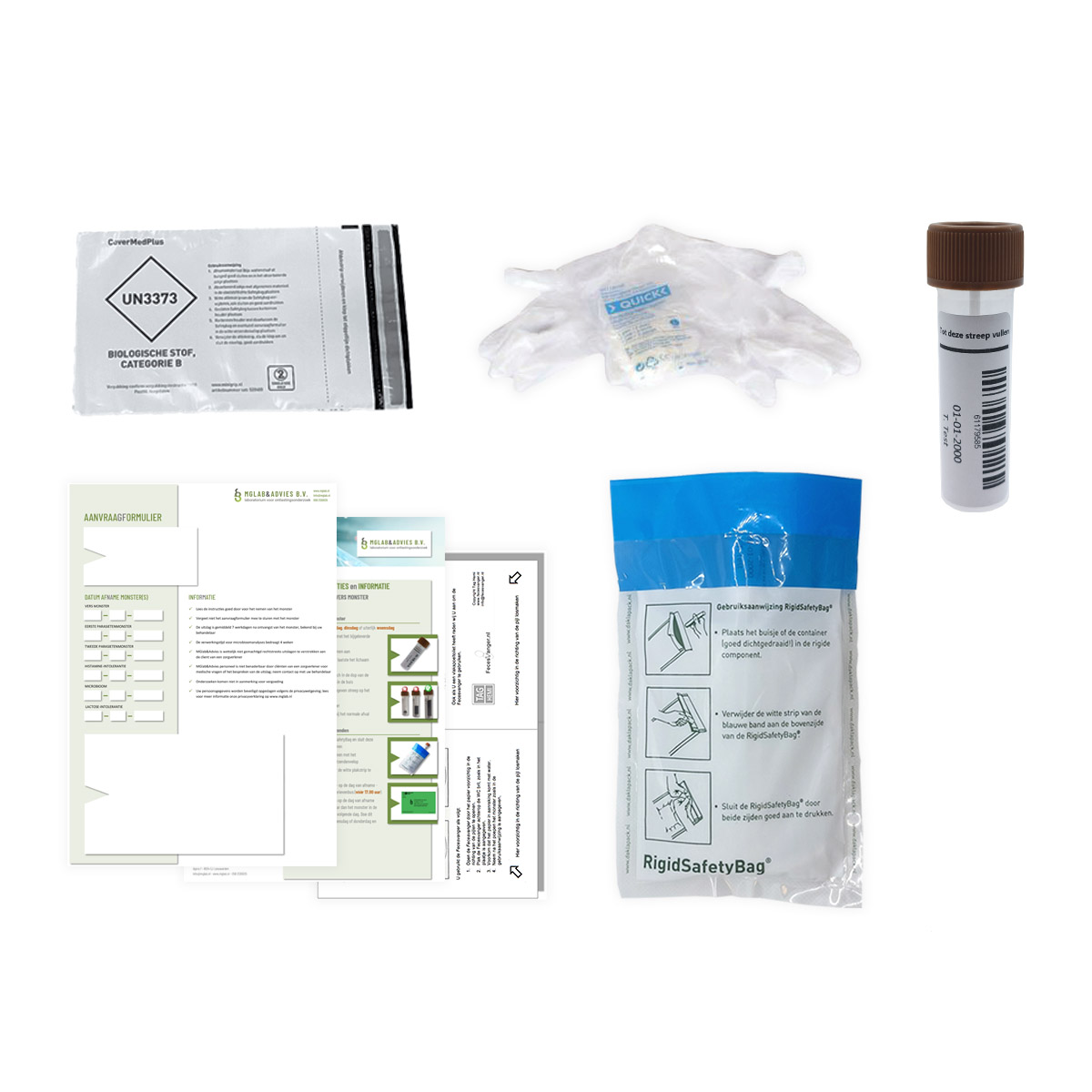
For poor digestion, stool testing through Darmklachten.nl can help in looking for the cause. See our recommended test packages and individual modules below.
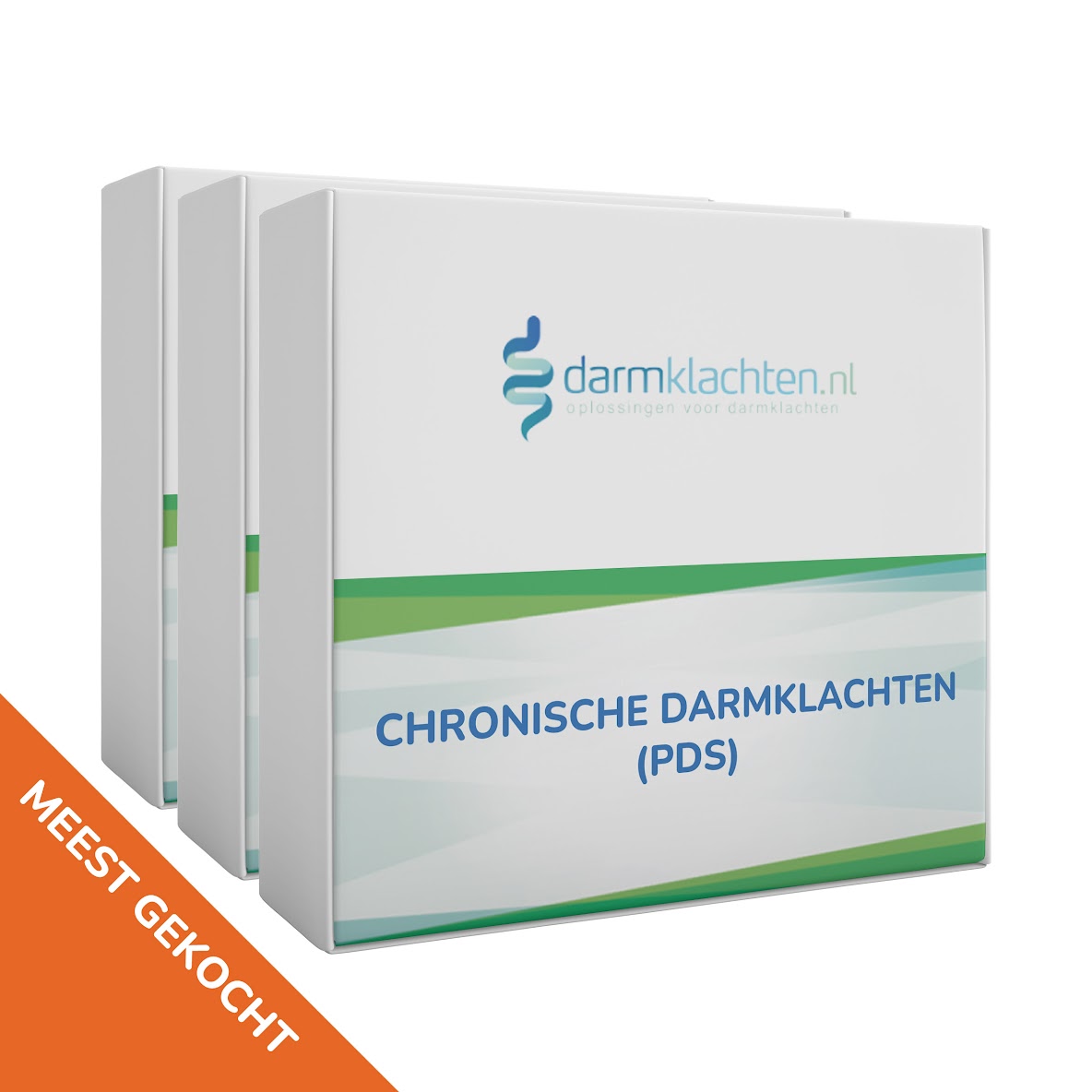 +
Chronic gastrointestinal complaints (IBS) package
Price range: € 350,00 through € 475,00 meer informatie



Causes of poor digestion
- Eating too quickly
- An improper diet
- Too little stomach acid
- Lack of enzymes, see pancreas
- Liver or bile-duct disorder
- Reduced intestinal flora
- Increase in bacteria and yeasts
- Allergic conditions
- Inflammation of the intestinal wall
More information about the tests
- Digestive parameters pH, fat, starch, color and consistency of the stool – read more…
- Intestinal flora analysis – Analysis of part of the intestinal microbiota – read more…
- Microbiome – Analysis of the complete composition of the intestinal microbiota – read more…
About darmklachten.nl
Darmklachten.nl is an initiative of MGlab&Advies, a laboratory specializing in stool testing. …read more