
What you should know about increased urgency and fecal incontinence
With sudden, increased urgency, it is often difficult to hold in stool and you need to find a toilet quickly. Sometimes you do not make it in time and lose some stool before reaching the toilet. Stool is stored in the rectum until it leaves the body, and the bowel is closed off by the anus. The brain receives a signal that it is time to empty the bowel, creating the “urge” to go to the toilet. When the anus does not function sufficiently, stool comes out too quickly. Fecal incontinence is the involuntary loss of stool or the inability to hold it in. Fecal incontinence is fairly common.
Symptoms of increased urgency and fecal incontinence
Increased urgency can cause the following complaints:
- Loose stool or diarrhea
- Flatulence
- Abdominal pain
Fecal incontinence:
- Being unable to hold in stool
- No control over passing wind
- Involuntary loss of stool
- Loss of small amounts of mucus from the anus
Involuntary loss of stool has a major impact on daily life; people are afraid to leave the house
for work, shopping or visiting others. This can become a major problem.
 Stress and diarrhea
Anxiety about a new situation or stage fright can cause diarrhea. Psychological stress causes accelerated intestinal transit in 47% of the “normal” population. But some people are so affected by this phenomenon that it becomes a social problem. There are performers, for example, whose performance is severely hindered because they develop diarrhea a few minutes beforehand. There are also people who experience an enormous urge as soon as they leave the house. In people with diarrhea caused by stress, an infection should not be ruled out, since parasites can make the intestine more sensitive to stress through the formation of neuropeptides.
Testing for increased urgency and fecal incontinence
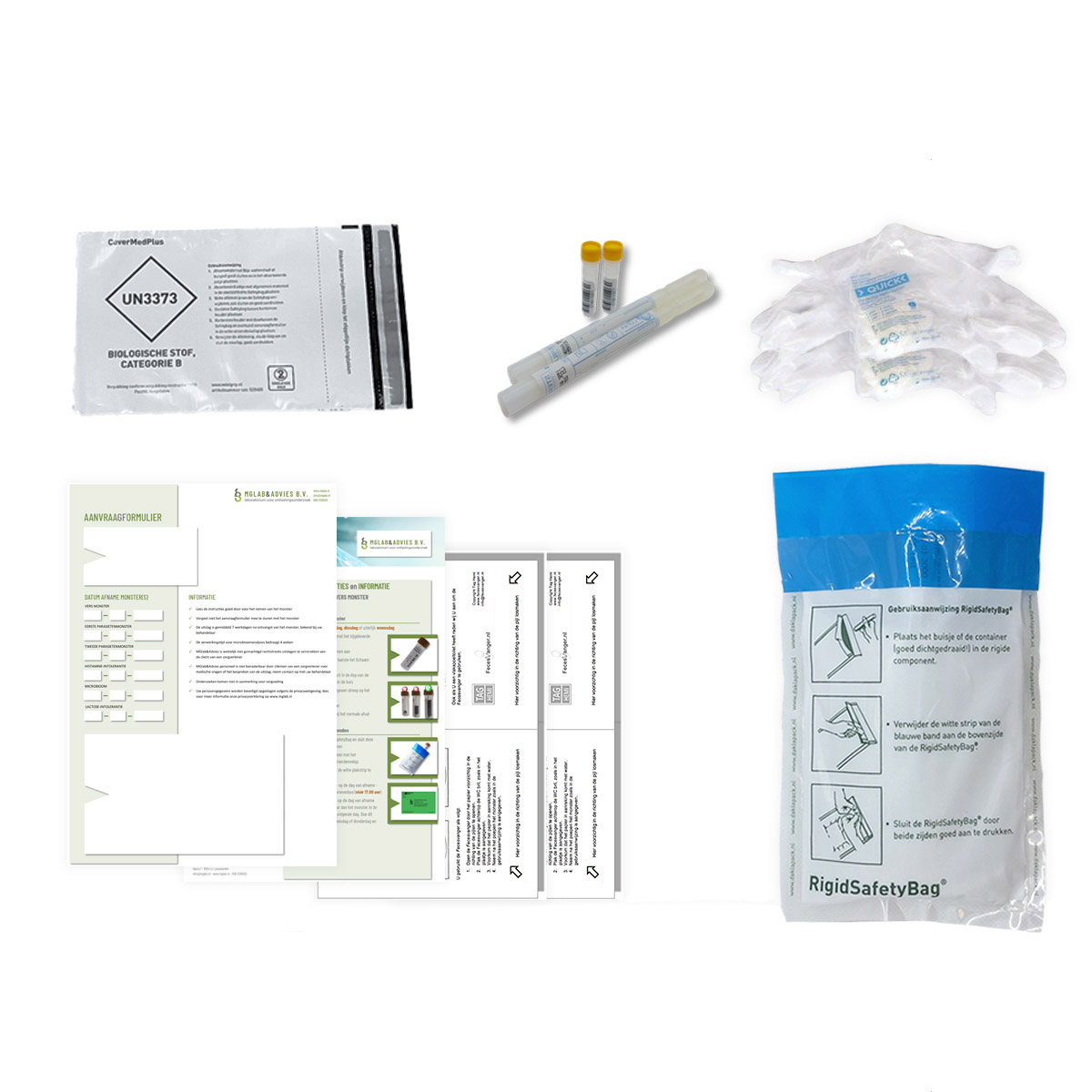
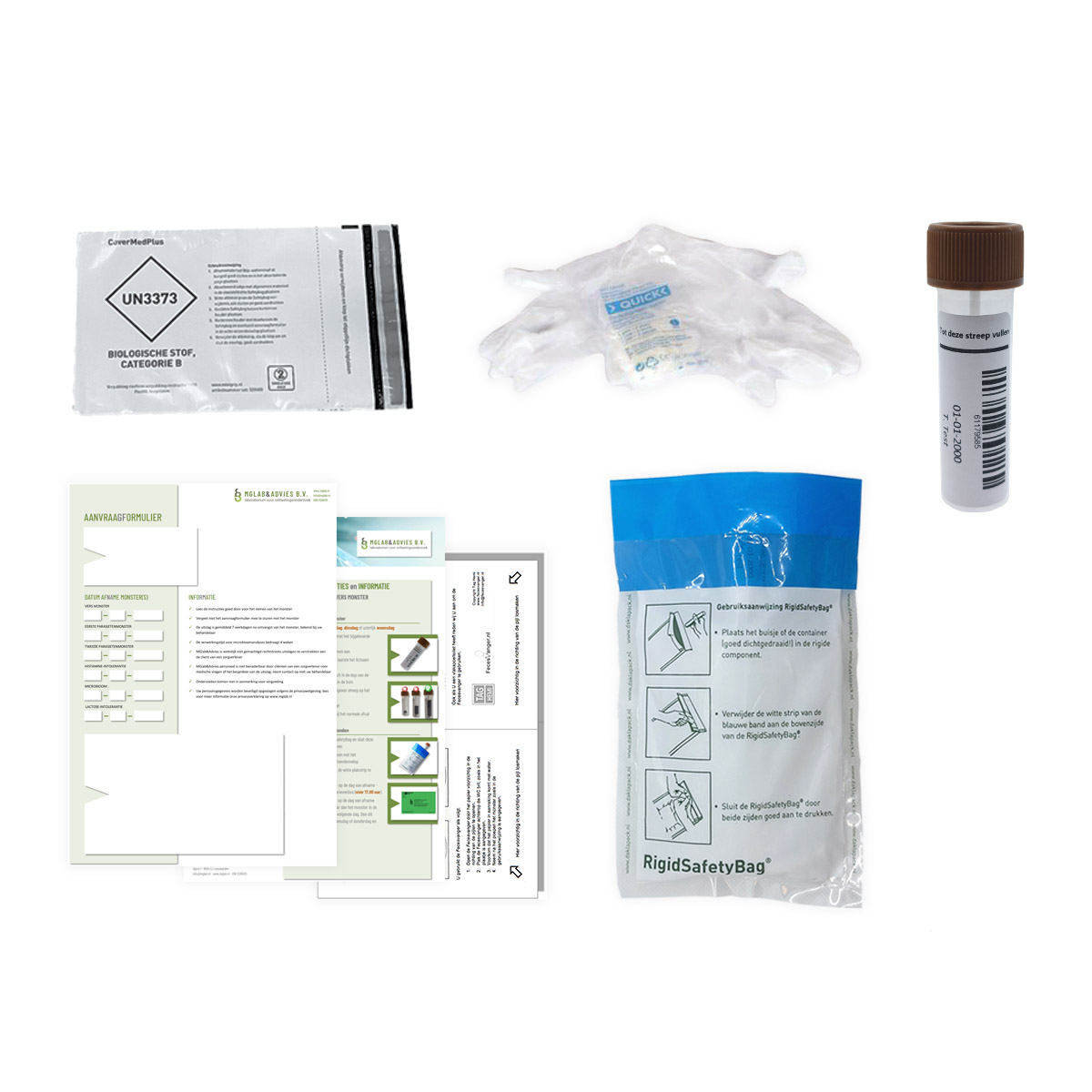
For regularly increased urgency or premature loss of stool, stool testing through Darmklachten.nl can help in looking for the cause. See our recommended test packages and individual modules below.


Causes of increased urgency and fecal incontinence
Increased urgency can have various causes:
- Intestinal parasites
The most common reason is an infection with single-celled intestinal parasites. You do not lose much stool, but it is difficult to hold it in. For children at school, this is a major problem. With an infection with Dientamoeba fragilis, the diarrhea is less severe. The mushy stool, flatulence, bloated abdomen and increased urgency can persist for years. The same complaints can arise with an infection with Blastocystis hominis, but are milder; nausea is often present. - Allergies
With a food allergy, the stool is often looser and difficult to hold in. Examples of foods that can cause intestinal complaints include gluten, milk sugar, or allergies to products containing nuts, soy and seeds. Additives such as aspartame, sorbitol and fructose can also cause diarrhea. - Inflammation of the rectum (proctitis)
Proctitis is an inflammation in which the lining of the rectum is inflamed. This inflammation is located in the final part of the large intestine. Proctitis (ulcerosa) is a limited form of colitis. Proctos is the Greek word for rectum and -itis means inflammation. The inflammation can also be caused by ulcerative colitis or inflammation of a hemorrhoid. - Disorder of the rectum
- Weakness of the anal sphincter
More information about the tests
- Digestive parameters pH, fat, starch, color and consistency of the stool – read more…
- Intestinal parasites – Testing for infections with intestinal parasites – read more…
- Intestinal flora analysis – Analysis of part of the intestinal microbiota – read more…
- Calprotectin – Inflammation marker for Crohn’s disease and ulcerative colitis – read more…
About darmklachten.nl
Darmklachten.nl is an initiative of MGlab&Advies, a laboratory specializing in stool testing. …read more