
What you should know about depression and digestive complaints
Depression is a mood disorder that manifests as a persistent feeling of sadness and loss. These feelings may be temporary as a result of a particular event or may persist. Older people and people with chronic illnesses are more often depressed. A severe depressive disorder was previously referred to as clinical depression. The emotions associated with depression affect the body, but conversely, physical conditions and nutritional deficiencies have a major influence on the brain. Below, only the points concerning the relationship between mood changes, the intestinal wall, gut flora and nutrition are discussed.
 Causes of a leaky gut
One of the factors that influences depression in relation to intestinal disorders is a leaky gut. The intestinal wall can become damaged for various reasons, which may lead to reduced absorption of food and minerals, allow harmful substances, antigens and bacterial toxins to enter, and increase the risk of food allergies. Causes of a leaky gut may include:
– Inflammation of the intestinal wall
– A bacterial infection
– Giardia lamblia
– Gluten intolerance
– Acute pancreatitis
– Chemical food additives
– Allergies
– Non-alcoholic liver disorders
Testing for depression and digestive complaints
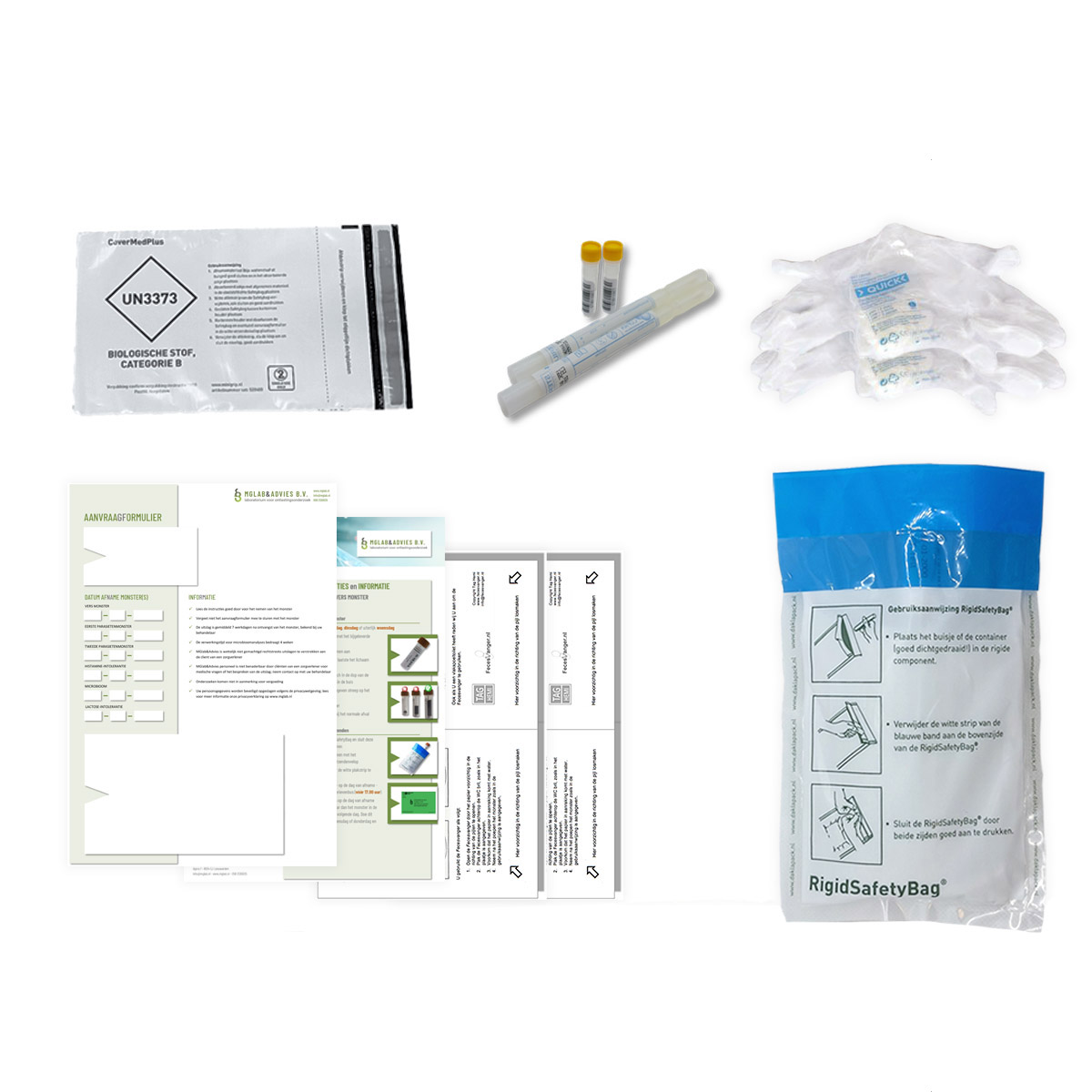
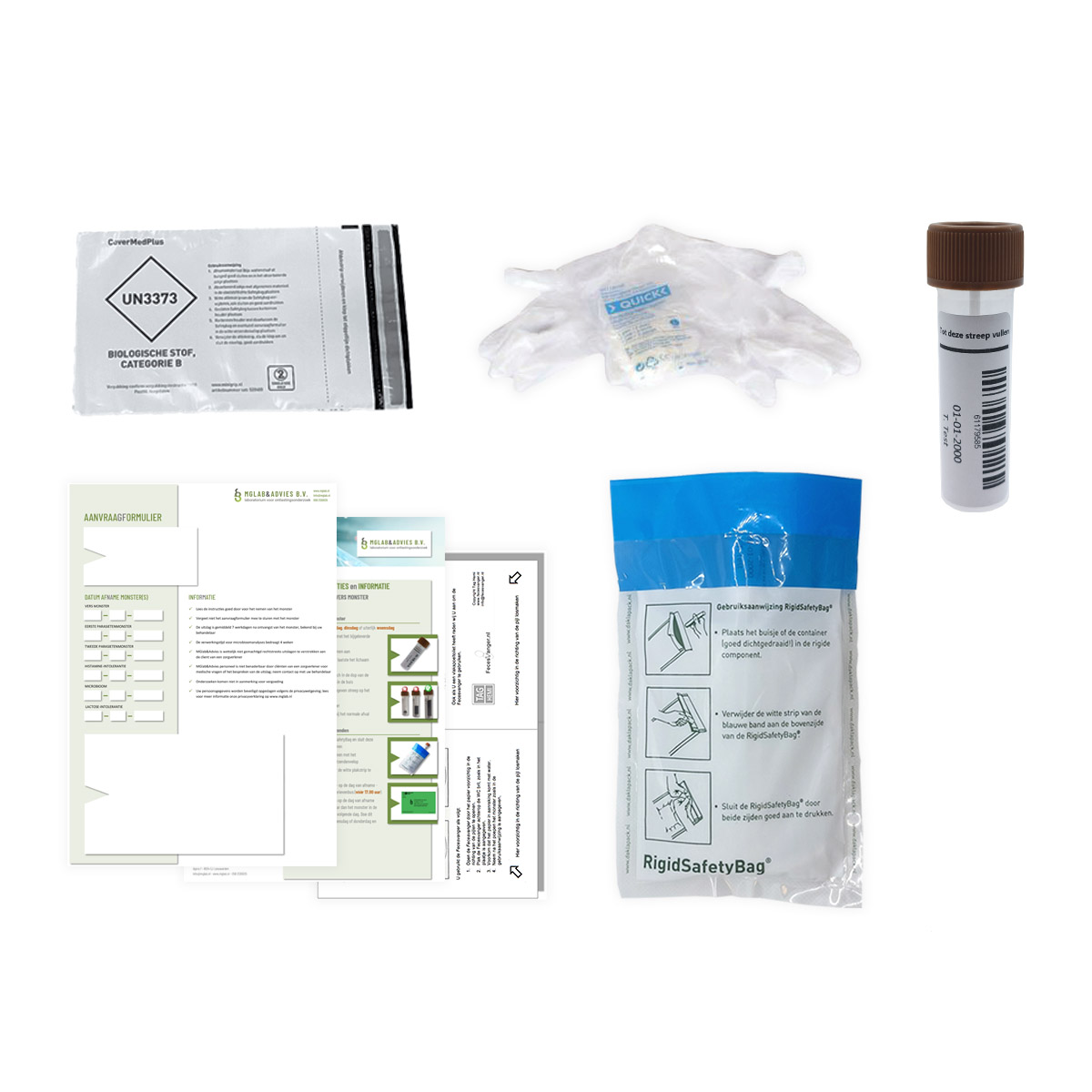
For depressive symptoms, stool testing through Darmklachten.nl may help. See our recommended test packages and individual modules below.
Additional blood tests
For depressive symptoms, in addition to stool testing, it is advisable to also have blood tests carried out for the following parameters:
- Vitamin D
- Vitamin B12
- Insulin



Causes of depression in relation to digestive complaints
Gastrointestinal disorders can cause depression, but certain foods, a lack of nutrients and poor digestion also play a role in emotions. We list fourteen important topics concerning the relationship between the gut and depression:
- Serotonin
The intestinal wall and gut bacteria produce large amounts of brain hormones (neuropeptides). The intestine contains cells (enterochromaffin cells) that produce tryptophan, a precursor of serotonin and melatonin; 90 to 95% of serotonin is produced in the intestine. Serotonin is a hormone associated with feelings of contentment and also stimulates intestinal movement. Serotonin is involved in mood, eating, sleeping, sexual behaviour and the daily rhythm. A deficiency causes depression and a feeling of sadness. - A decline in beneficial gut bacteria
The bacteria in the intestine protect people against lifestyle diseases, excess weight, inflammatory reactions, depression and cancer. A decline in bacterial numbers plays an important role in these conditions. - Intestinal inflammation
It has been documented that 80% of people with intestinal diseases such as ulcerative colitis and Crohn’s disease have mental problems. They suffer from depression, panic attacks or other mental problems. There is often a lack of clarity, mental fatigue or a feeling as if the head is filled with cotton wool. - Sleep disorders
A lack of sleep can occur due to red wine or chocolate in people with histamine sensitivity. Digestive complaints and heartburn can disturb sleep. - Gluten intolerance
Coeliac disease is often accompanied by neurological complaints, and nerve pain (neuropathy) ranks second among complaints in coeliac disease. Dyslexia, learning difficulties, ADHD, migraine or headache, memory loss and dementia occur more often with coeliac disease. There is also a reduction in iron, minerals and vitamins. - Vitamin B12 deficiency
A deficiency of intrinsic factor, produced by the stomach lining, or reduced food absorption can result in a vitamin B12 deficiency. Older people may have low levels, resulting in neurological complaints, depression and reduced memory. - Anaemia due to poor iron absorption in intestinal disorders
- Vitamin D deficiency (this is aggravated by poor fat absorption)
- Insufficient consumption of fats.
If fatty fish or fatty fish oil is not consumed, an omega-3 fatty acid deficiency develops. Alzheimer’s disease, dementia and depression are associated with this. Fatty fish contains vitamins A and D and minerals such as selenium, calcium, iodine, magnesium, copper and zinc. These substances are also important for the brain, immune system and bone density of the unborn child. - Excess weight
High insulin levels and diabetes are an important cause of depression. Schizophrenia and depression occur 3 to 4 times more often in patients with diabetes. An excessively high supply of glucose can damage brain cells. - Hunger
A feeling of hunger can cause a sad feeling through gut-brain signals. - Addiction
Eating fatty and sweet foods raises dopamine levels, which temporarily results in a feeling of satisfaction. At the same time, consuming sausage, processed meats, high-fat foods and biscuits can cause depressive feelings through hormones. - Satiety
Ghrelin and cannabinoid receptors play a role in eating. A disruption of leptin, adiponectin and ghrelin can cause depression. - Leaky gut
The intestinal wall can be damaged by harmful substances or a deficiency of protective substances. As a result, regulation of the openings in the intestinal wall (the Tight Junctions) does not function properly and a leaky gut develops.
More information about the tests
- Calprotectin – Inflammatory marker for Crohn’s disease and ulcerative colitis – read more…
- Lactoferrin
- Beta-defensin-2
- Bacterial infection with Salmonella, Campylobacter, Shigella, Yersinia and Clostridioides diffile – read more…
- Parasites
- Antigliadin and anti-ht-Transglutaminase – Markers for gluten intolerance – read more…
- Pancreatic elastase – Breakdown of fat, starch and proteins – read more…
About Darmklachten.nl
Darmklachten.nl is an initiative of MGlab&Advies, a laboratory specialising in stool testing. …read more