
What you should know about foul-smelling stool
A strong stool odor indicates a condition. Normal stool has an odor caused by bacterial fermentation of nutrients and by dead intestinal bacteria. In principle, stool does not smell bad. When stool smells bad, or when it smells different and sticks to the toilet, there is often a reason for this, such as an infection. In young children, stool can smell very bad in the case of infection with parasites or a gluten intolerance.
 Tips to prevent foul-smelling stool
Protein digestion in particular causes an unpleasant odor. There are more than 230 components that contribute to the smell. With high protein consumption, the bacteria Bacteroïdes and Atopostipes increase. Acid-suppressing medication reduces protein digestion. The smell of rotten eggs indicates putrefactive processes and the gases contain sulfur. Sour-smelling stool often occurs together with low stool acidity and fermentation due to an excess of starch.
There are several tips to prevent foul-smelling stool.
– Look for the cause of the complaints
– Avoid foods you are sensitive to
– Consume less protein
– Prevent infection with parasites through good hygiene
– Use of a probiotic (LGG) may provide relief
Testing for foul-smelling stool
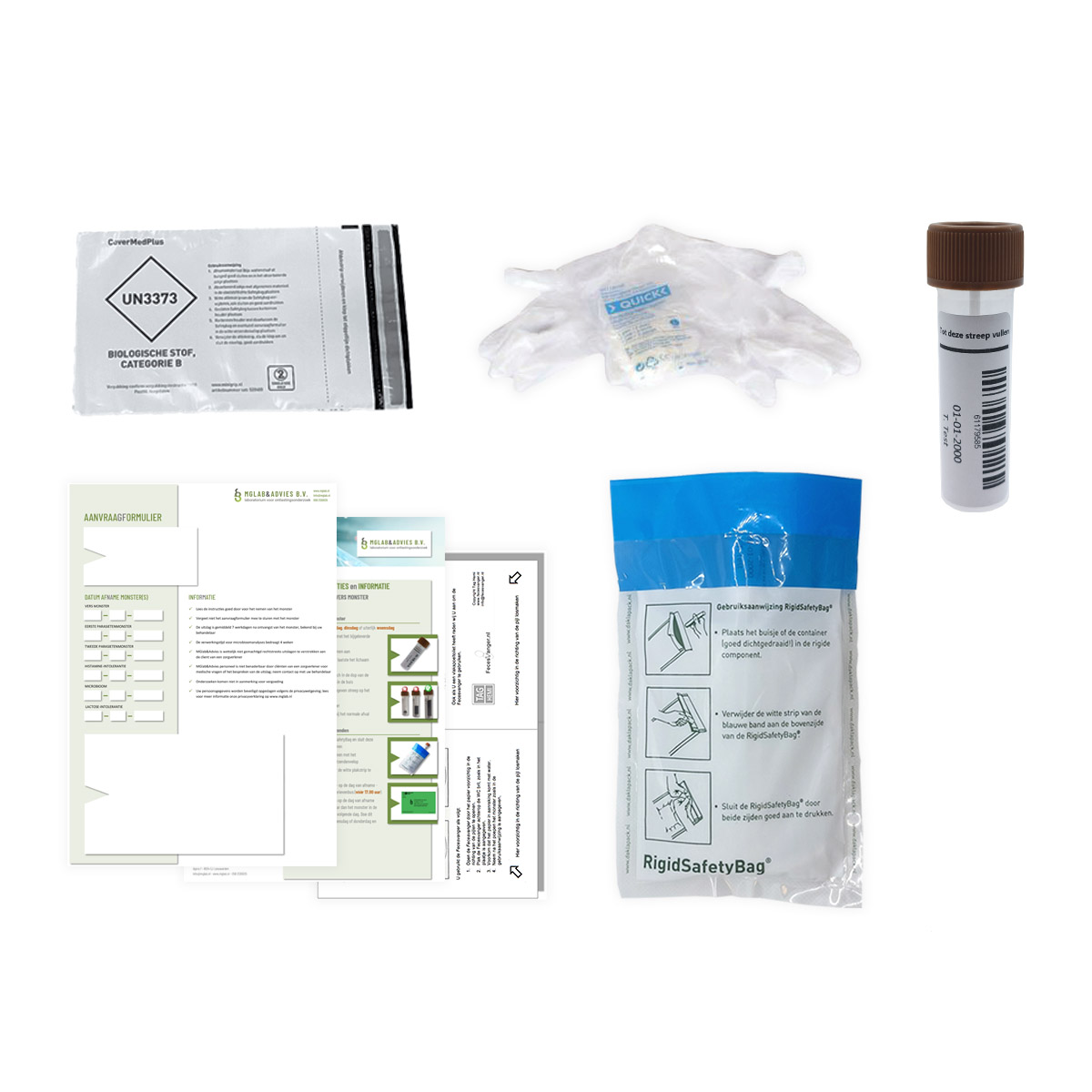
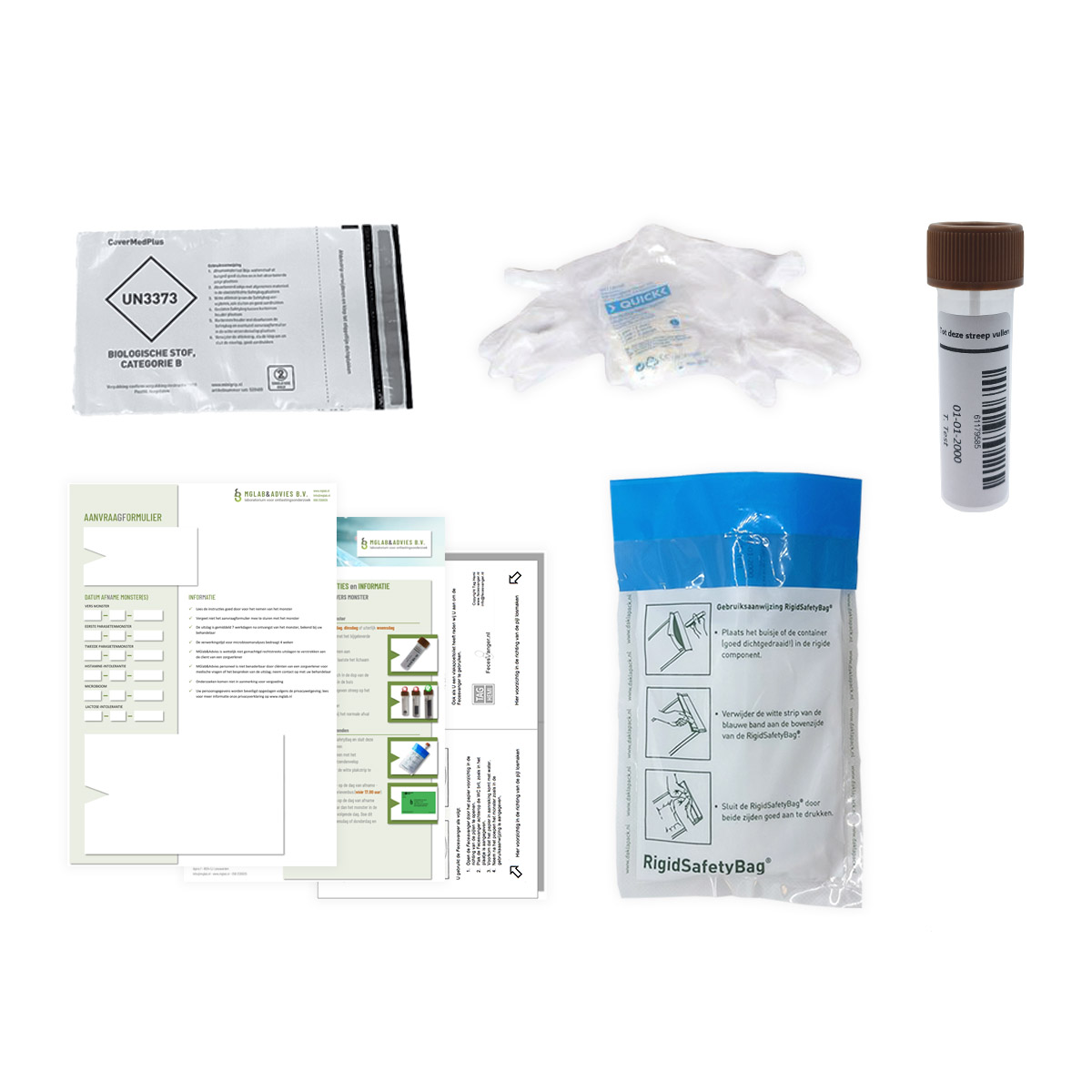
For persistently foul-smelling stool, stool testing through Darmklachten.nl may help in looking for the cause. See our recommended test packages and individual modules below.
- Sale

 +
Abdominal Pain & Flatulence package
Original price was: € 434,00.€ 347,00Current price is: € 347,00. meer informatie

Causes of foul-smelling stool
A strong odor is in many cases caused by:
- Poor digestion of proteins
- Intestinal parasites
- Poor digestion and inadequate absorption of nutrients
- Increased starch in the intestine
- A food allergy
- Gluten intolerance
- An intestinal infection
- Lack of pancreatic enzymes
- Inflammation, ulcerative colitis or Crohn’s disease
- Acid-suppressing medication
- Excess weight and increased gas formation
More information about the tests
- Digestive parameters pH, fat, starch, color and consistency of the stool – read more…
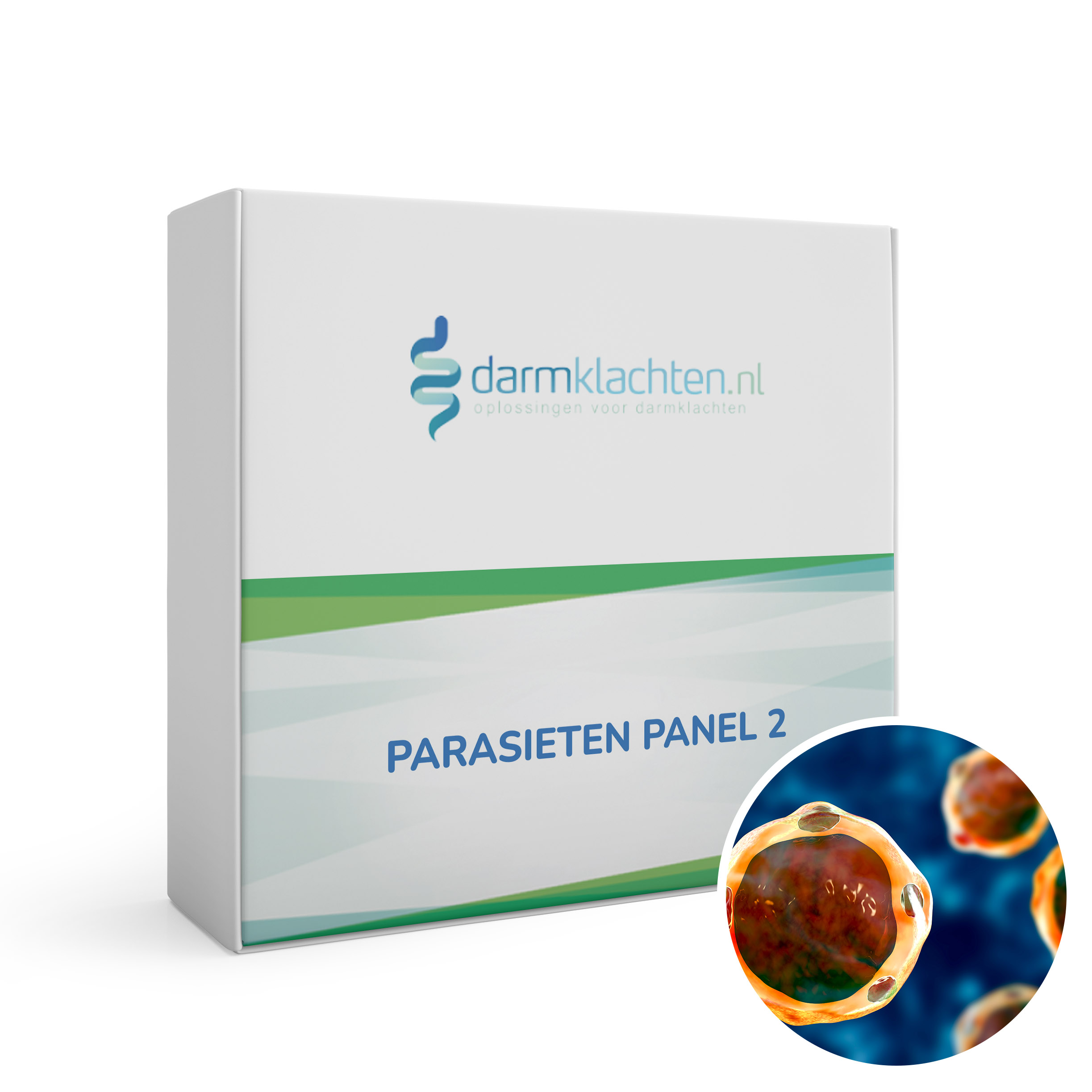
- Intestinal parasites – Testing for infections with intestinal parasites – read more…
- Bile acids – Digestion of fat – read more…
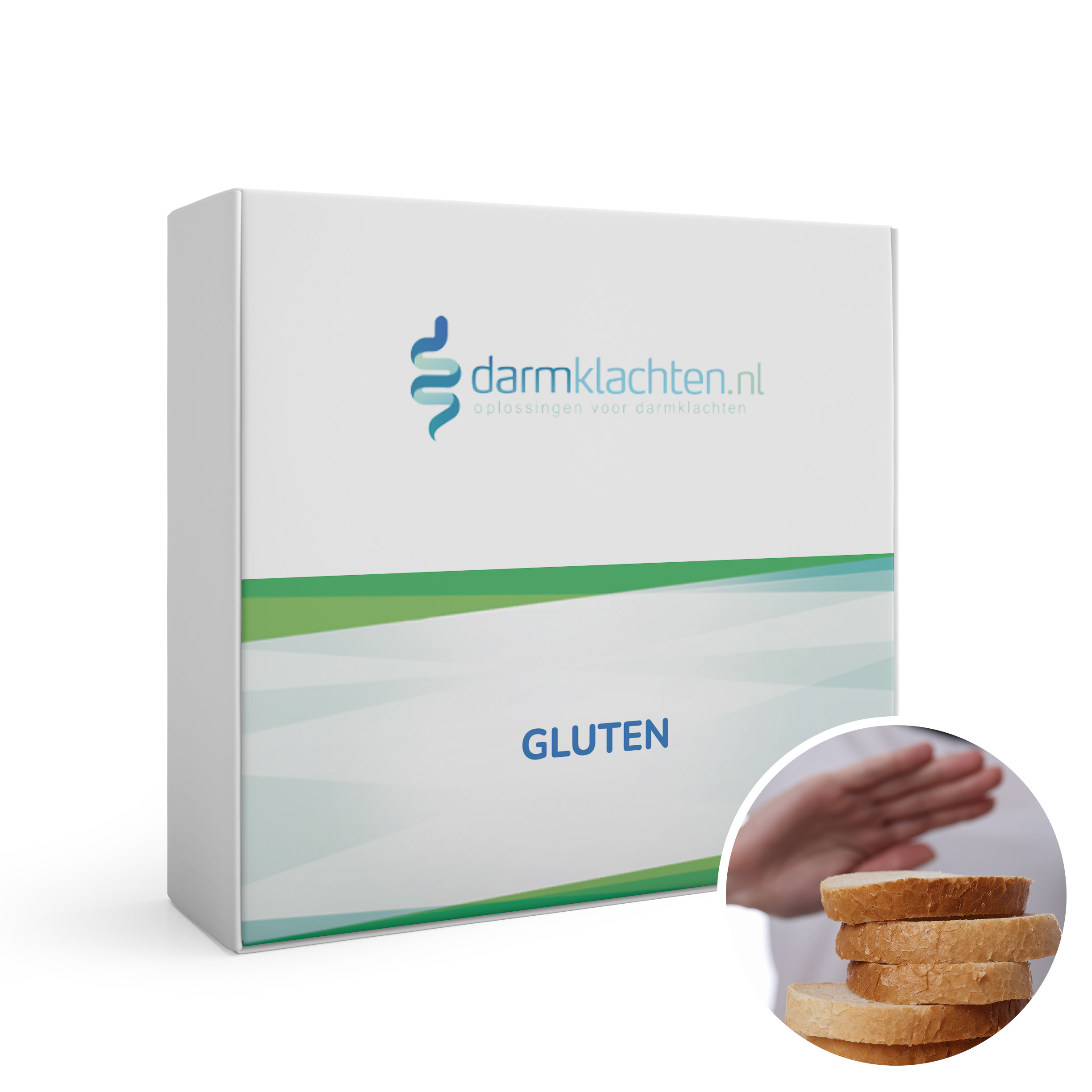
- Antigliadin and anti-ht-Transglutaminase – Markers for gluten intolerance – read more…
- Bacterial infection with Salmonella, Campylobacter, Shigella, Yersinia and Clostridioides diffile – read more…

About darmklachten.nl
Darmklachten.nl is an initiative of MGlab&Advies, a laboratory specializing in stool testing. …read more