

Diet with resistant starch
Contains starch that is not broken down
The resistant-starch diet is a diet containing products with starch that is not broken down by digestive enzymes. This is called resistant starch. The term resistant indicates that the starch is not digestible. This is beneficial in two ways. First, no glucose molecules are released into the blood, so blood sugar values and insulin levels do not rise. The second benefit is that beneficial gut bacteria obtain energy and nutrients from the indigestible starch. This resistant-starch diet is rich in leafy vegetables and tubers
What does starch consist of?
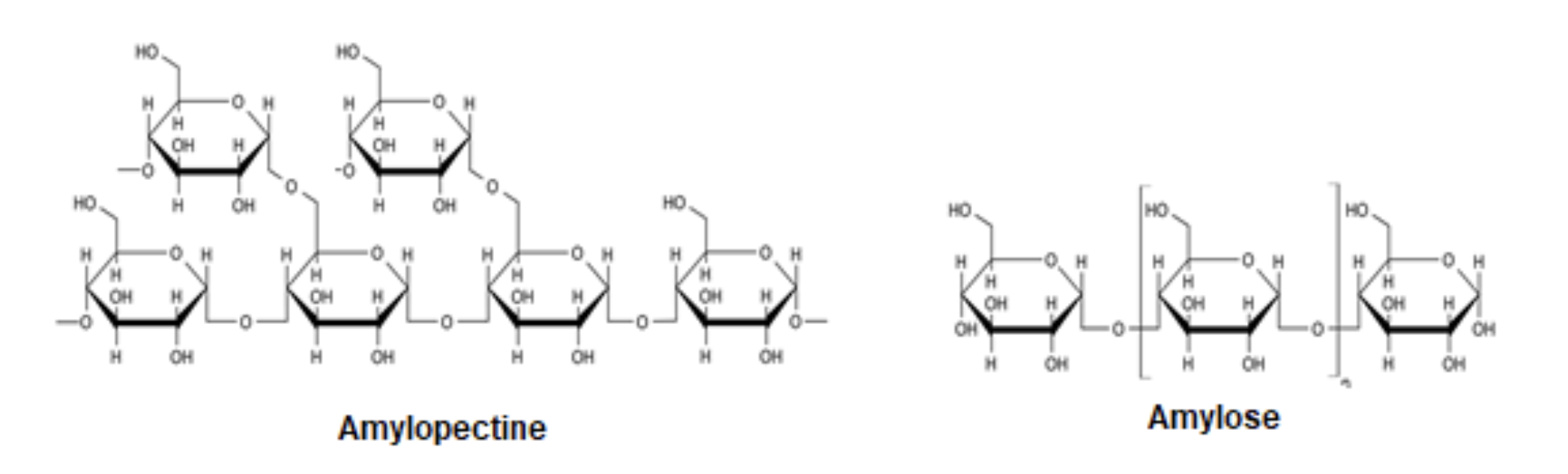
Starch is made up of glucose molecules. There are different forms of chains of glucose molecules: amylopectin and amylose. The first form is more digestible because it can be broken down more easily. Amylopectin consists of thousands, even up to a million, glucose molecules. The enzyme amylose breaks down starch. Amylopectin forms side branches; you can picture its structure as the branches of a tree. This gives the starch a large surface area, allowing digestive enzymes to easily cut off the glucose molecules. The enzyme amylose is already present in the mouth, where starch digestion begins. Amylose is also produced by the pancreas and secreted into the intestine. The enzyme is therefore abundantly present in the small intestine.
Amylose is not broken down well; it is partly resistant.
Glycaemic index
Because starch in the form of amylopectin is easily digested, many glucose molecules are released in the intestine. These molecules are absorbed into the blood. The glucose content varies by product. White rice contains a very high amount of glucose, 70%, while potatoes contain 22% glucose. 100 grams of oatmeal contains 64 grams of glucose and causes blood sugar to rise. With their high starch content, grains contribute strongly to an increase in insulin in the blood and therefore to excess weight. The sugar content of the large intestine also rises, which can result in an increase in Candida. The term glycaemic index is often used to indicate how much glucose is released in the intestine, and also into the blood, when a product is eaten. Blood contains an average of 5 mmol per litre, which converts to 1 gram of glucose per litre. An adult will have 5 litres of blood in circulation, so on average 5 grams of glucose is available. In principle, foods that contain a lot of glucose have a higher index.
| Per 100 grams | Glucose grams | Fibre grams |
| Rice cake | 89 | 1 |
| Cornflakes | 81 | 3 |
| Wholegrain rice | 75 | 3 |
| Gluten-free bread | 65 | 2 |
| Oat flakes | 64 | 6 |
| Brown bread | 41 | 5 |
| Potatoes | 18 | 1 |
| Beetroot | 8 | 3 |
| Lettuce | 8 | 3 |
What is resistant starch?
Amylose forms straight, tight chains, as it were. These are not easily broken down by the enzyme amylase. Not many glucose molecules are released from amylose, so blood sugar does not rise. Because amylose is not digested well, it is called resistant starch. The sugars located inside the cell are also not released quickly and are therefore also highly resistant to breakdown. In recent years, resistant starch has received a great deal of attention because this starch is not broken down in the small intestine and therefore does not cause an increase in sugars in the blood. The benefit is that resistant starch reaches the large intestine and feeds the gut flora. Humans have always eaten starch in the form of tubers. Raw tubers are not digested well. Neanderthals already cooked food in bags made from hides. This makes starch more digestible.
| source per 100 g | starch content grams | amylose % | amylopectin % | amylose/amylopectin ratio |
| potatoes | 22 | 21 | 79 | 1:4 |
| wheat | 64 | 26 | 74 | 1:3 |
| maize | 70 | 28 | 72 | 1:3 |
What is resistant starch?
Starch from vegetables contains an average of 75% soluble amylopectin and 25% amylose. The tightly bound starch amylose is not broken down well by the enzyme amylase, which is present in the mouth and small intestine. Only a limited amount of glucose molecules is released, so blood sugar does not rise much. Amylose is largely resistant. The English term resistant starch, abbreviated RS, is often adopted. Like plant fibre, RS starch reaches the large intestine, where bacteria convert these substances into fatty acids. This is a beneficial process. The fact that artificially resistant starch is now being marketed is less beneficial.
4 types of resistant starch
We distinguish 4 types of resistant starch. Below you can read which types of resistant starch these are.
RS type I, cellular starch
Vegetables are made up of cells. Beetroot, carrots and other root vegetables contain starch located inside the cell. When you chew beetroot, small pieces of food, clumps of cells, reach the small intestine. The digestive enzymes of the small intestine cannot get at these cells, so some of the beetroot reaches the large intestine. Bacteria in the large intestine can break down the cells, releasing the sugars and converting them into short-chain fatty acids. This can be called cellular starch. Bacteria can also use the cell walls, DNA and antioxidants of tubers. Type 1 resistant starch is found in legumes and all root vegetables.
RS type 2 starch, amylose
Starch from grains contains an average of 75% soluble amylopectin and 25% amylose.
Amylose is the form of starch that is not easily broken down and therefore partly reaches the large intestine. Amylose is present in raw potatoes and green, unripe bananas. This form of starch is called RS type 2. A distinction should be made between the natural form and artificially formed RS present in grains altered through genetic manipulation. Seeds are bred to have a high content of resistant starch.
RS type 3 crystallised starch
Type 3 resistant starch forms when starch-rich food is first cooked and then cooled again. This occurs especially when potatoes and rice cool. The cold products have a higher crystallised-starch content than the warm products. Examples include potato salad or sushi. This is a natural form. Crystallised starch is referred to as RS type 3.
RS type 4: artificially produced resistant starch
Type 4 resistant starch is made artificially by adding acetyl to the starch. Type 4 is added to foods in high doses because it is not digestible and therefore reduces the absorbable sugar content of food. It thus helps keep blood sugar levels low.
Benefits of a diet with resistant starch
A low-starch diet means a diet in which it is important to omit grains that are rich in amylopectin. The diet may contain resistant starch. It can be used for excess weight, gastrointestinal complaints and high insulin values. Consuming foods rich in resistant starch products is beneficial for the gut flora.
Summary of the diet with resistant starch
Types 1, 2 and 3 resistant starch are natural starches.
Type 1 resistant starch is located inside the plant cell. Tubers, such as beetroot and salsify, contain starch that is not absorbed directly into the blood. This starch is beneficial for the large-intestinal flora. You can eat as much of this as you like.
Type 2 resistant starch is present in unripe fruit, such as unripe bananas. It is not really desirable to eat these.
Type 3 resistant starch is a natural form of resistant starch present in rice and potatoes after cooling. Although rice has a high starch content, eating it is not recommended. However, the rice in sushi causes a smaller rise in blood sugar. By eating a cold potato salad or sushi rolls, you can still enjoy tasty dishes from time to time that have a lower digestible-starch content.
About Darmklachten.nl
Darmklachten.nl is an initiative of MGlab, a laboratory specialising in stool testing. …read more