
Definition of Dientamoeba fragilis
Dientamoeba fragilis (D. fragilis) is a single-celled intestinal parasite. Dientamoeba is related to flagellate parasites but has no flagella. D. fragilis moves by using protrusions and can take up food and bacteria. The cells divide by fission. Protozoa usually form cysts to survive outside the body; so far, no clear cyst forms have been demonstrated for D. fragilis. Nevertheless, they may survive outside the body because they are highly contagious. A notable phenomenon is that D. fragilis is often found together with the intestinal parasite Blastocystis hominis.
Prevalence
Of all parasites, D. fragilis plays the largest role in our daily lives because many people are infected with it. Over the years, researchers have determined in different population groups how often D. fragilis is found in stool in the laboratory. Scientists in the Netherlands have also published their findings. In people with gastrointestinal complaints, the chance of being infected with D. fragilis is approximately 34%.

Symptoms
Both children and adults can experience symptoms when infected. Children have abdominal pain more often than adults.
Among infected children, 70 to 90% experience symptoms.
Approximately 30% of infected adults have symptoms.
Not everyone is affected, so you can be a carrier.
– Abdominal pain or a sensation in the abdomen
– Bloated abdomen
– Mushy stools or a changing bowel pattern
– Sometimes diarrhoea
– Flatulence
– Nausea
– Fatigue
– Brain fog
– Sometimes skin complaints.
Because a parasitic infection is often not considered with these symptoms, it can sometimes take years before the diagnosis is made.
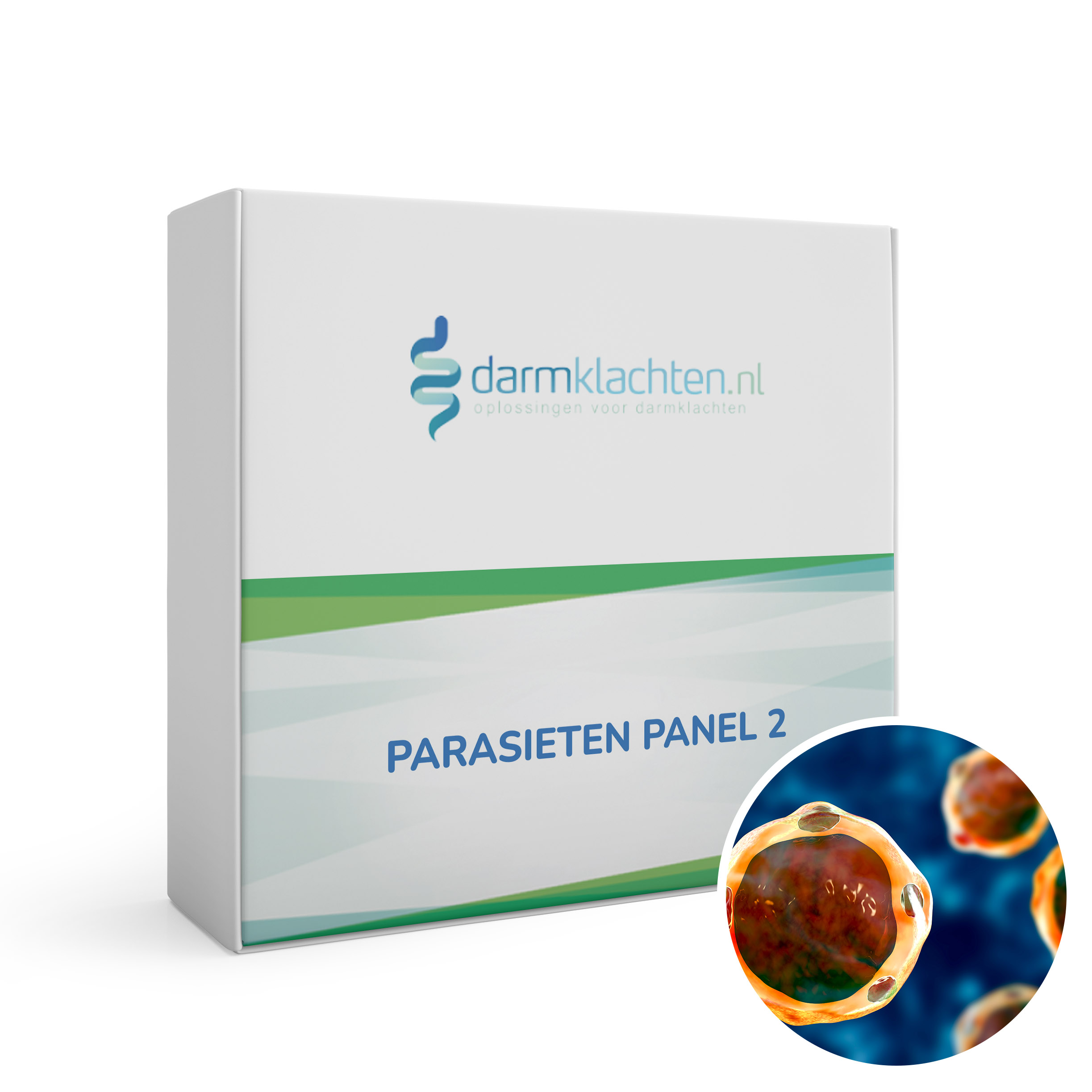
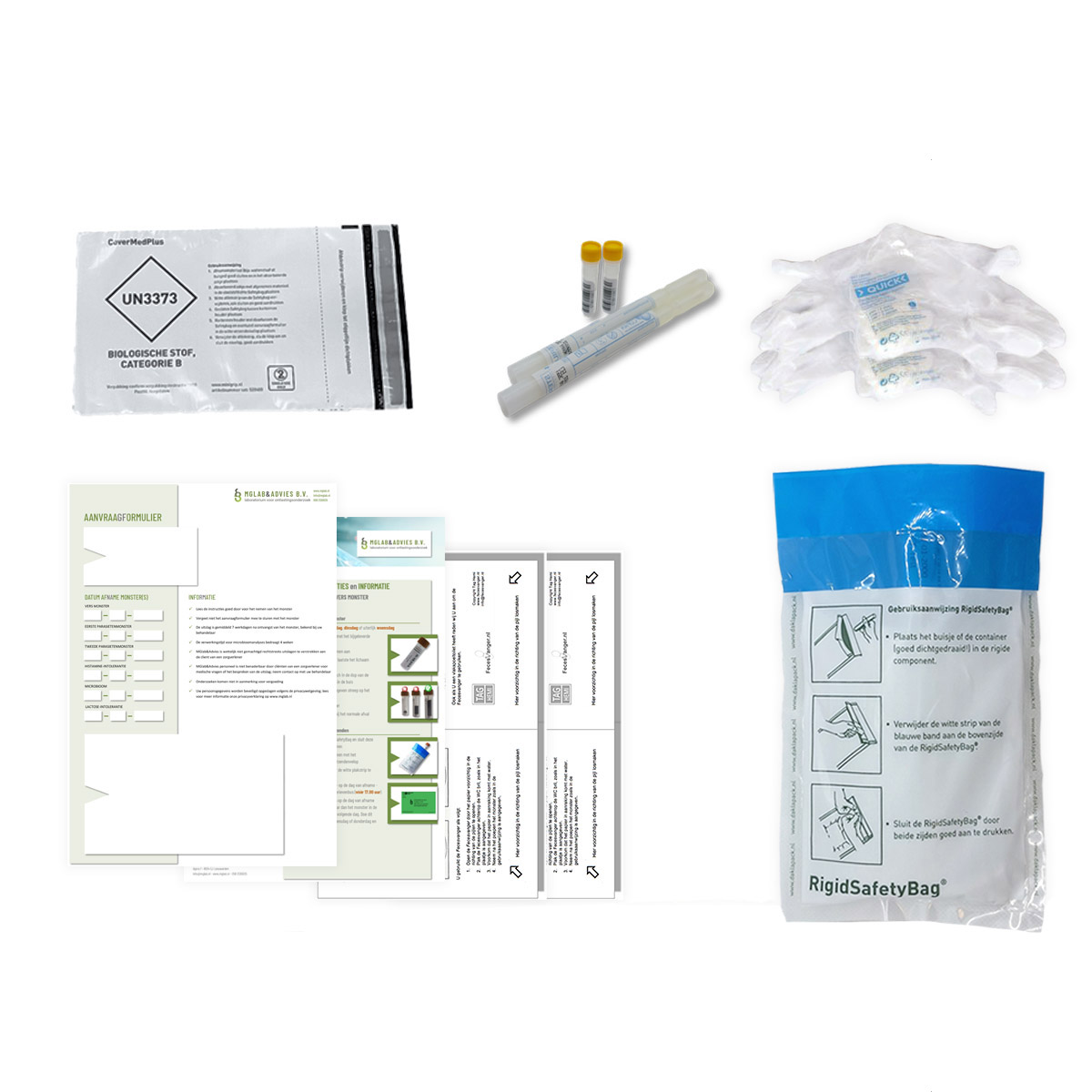
We recommend the following tests:



Causes and risk
Infection is acquired through contact with the stool of an infected person. This can occur directly via the hands or toilet, or indirectly via objects or food.
A risk factor is close proximity to an infected person.
Occupations involving regular contact with stool, such as nursing and caring for young children.
Worms can contain Dientamoeba fragilis.
Candida: yeasts and fungi
Candida and other yeasts and fungi are part of the kingdom Fungi. The two main fungal phyla are Basiodiomycota (which includes mushrooms) and Ascomycota (which includes moulds and yeasts). The word Ascomycota is derived from the Greek “askos,” meaning “leather wineskin.” “Myco” comes from the Greek word “mykes,” meaning “yeast” or “fungus.”
Testing
PCR. The laboratory uses DNA testing, known as Polymerase Chain Reaction (PCR). The technique is based on isolating a specific characteristic piece of DNA from D. fragilis in the stool. Special equipment (a PCR machine) then multiplies it many times so that it can be measured; each round of multiplication is a cycle.
Stool samples are taken on two different days, which increases the chance of a positive finding.
Advice: Take a stool sample on a day when symptoms are present: mushy stools or increased urgency. This increases the chance of finding a parasite.
Diagnosis
Positive
From 16 to 35 cycles means that the parasite is present; this is called a positive result.
Negative
Above 35 cycles is a negative result; no parasites are present.
With a positive result, testing for worm eggs can also be performed.
Preparation
A number of steps are needed in the event of infection.
– If you live alone and do not have a partner, you can treat the symptoms, but you do not have to. You can also change your diet first.
– If you have a partner or a family, everyone must be tested. Everyone who is infected is treated at the same time.
Treatment
– A doctor can prescribe medication. Clioquinol has the highest success rate (75%) and does not affect the gut flora.
– Start a low-starch diet rich in vegetables and herbs one week beforehand; this increases the chance of success.
– Zinc. It is very important to take zinc daily for life because this mineral is not abundant in the diet and improves resistance. (15 mg for adults and half that amount for children). Use a double dose of zinc during the course of treatment.
– A course of Clioquinol lasts 10 days.
– If worms are present, specifically pinworms, a worm test is started before the course; this is needed for proper effectiveness.
– Seven days after the end of the course, testing is repeated as a follow-up check.
Prevention
It is important to prevent contracting a contagious condition. To avoid infection, you can take a number of measures.
Wash your hands.
- First, hands should be washed after using the toilet. The advice is to wash your hands after using the toilet, dry them with a paper towel, and use that towel to turn off the tap and open the door.
- It is important to wash your hands before eating and to eat at a table from a clean surface, preferably not while traveling or at the computer.
– Hygiene: see other hygienemeasures.
– Diet plays an important role. You can stimulate the immune system and improve the composition of the gut flora by eating plenty of vegetables and using products such as seaweed, shiitake mushrooms and herbs. Broth made from bones improves resistance.
– The book Darmklachten discusses diet and natural products that can be used alongside the medical course of treatment.