Gallbladder pain
The gallbladder is a small, pear-shaped organ located on the right side of the abdomen, beneath the liver. The main function of the gallbladder is to store bile. Bile is produced in the liver from cholesterol and is released into the body during meals. The gallbladder plays an important role in fat digestion. If fat is not digested properly, large amounts of fat may be excreted in the stool. This can indicate a problem with the gallbladder. Sometimes the gallbladder becomes inflamed, and in some cases gallstones may then develop. Gallstones can cause considerable pain and block the so-called ‘bile ducts’. Gallbladder pain is very unpleasant, so it is important to identify the cause quickly when gallbladder symptoms occur.
Symptoms of gallbladder problems
Do you suffer from gallbladder symptoms? These may be caused by a deficiency of bile or, conversely, by an increase in bile. Gallbladder symptoms caused by a lack of bile can be recognised by the following symptoms:
- Pain on the right side below the rib cage
- Symptoms that worsen when eating fatty foods
- Vomiting
- Light-coloured, fatty stools
Gallbladder symptoms caused by an increase in bile include:
- Diarrhoea
- Constipation
- Fever
- IBS symptoms (irritable bowel syndrome)
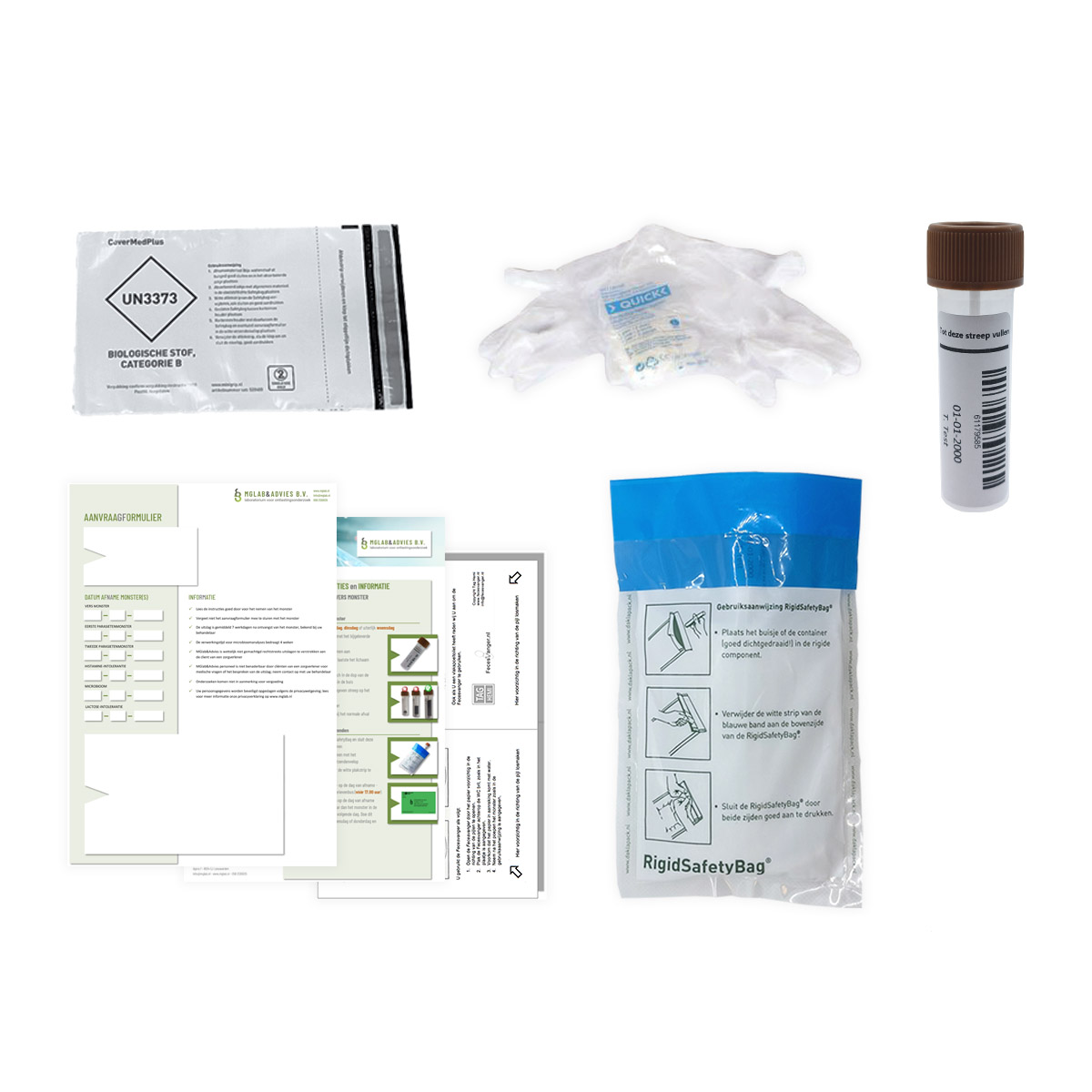
If you have pain or other symptoms caused by gallbladder problems, it is advisable to have a stool test carried out to determine the cause.
We recommend the following tests:


Causes of gallbladder symptoms
Women experience gallbladder symptoms more often than men. There are several possible causes of gallbladder symptoms:
- Older age
- Pregnancy
- Overweight
- Eating fatty foods
- High cholesterol levels
- Inflammation of the pancreas
- A tumour
- Symptoms after gallbladder removal
Available tests for gallbladder symptoms
Several tests can be used to determine whether a gallbladder disorder is the cause of intestinal symptoms. A stool test can be performed, but blood tests are also possible. We explain the different tests you can have if you experience pain or other gallbladder symptoms.
Stool tests
A stool test can examine the following:
- Fat digestion
- Calprotectin levels
- Bile acids
- Pancreatic elastase
Blood tests
Blood tests can examine the following:
- Whether there is an elevated sedimentation rate
- Vitamin D level (which may be too low)
- Bilirubin level (which may be too high)
- Gamma-glutamyl transferase level (the Gamma-GT level in the blood may be too high)
- Whether there are signs of liver damage due to bile stasis; relatively small increases in AST and ALT levels occur only later.
Additional tests may also be performed, such as an X-ray or MRI scan. Are you unsure which test is best for your gallbladder symptoms? Feel free to contact us; we will be happy to help.
Treatment of gallbladder symptoms
Gallbladder symptoms are generally treated by removing gallstones. In some cases, the gallbladder is removed entirely. Removing the gallbladder does, however, have side effects because bile plays an important role in digestion. Unfortunately, there is no diet that can be prescribed to prevent gallstones. However, maintaining a healthy weight does reduce the risk of gallstones developing. Do certain foods make the symptoms worse? If so, you can avoid them for a while. It is a good idea, however, to try them again after some time. Are you having difficulty putting together your diet when you have gallbladder problems? Seek help from a doctor or dietitian.
About darmklachten.nl
Darmklachten.nl is an initiative of MGlab, a laboratory specialising in stool testing. …read more