

Microbiome test
€ 185,00
The large intestine contains a large number of bacteria (gut microbiota), which play an active role in the body. Among other things, they are involved in the immune system, brain activity and vitamin production. This test provides a simple way to determine the composition of your gut microbiota. This analysis is carried out by our partner MyMicroZoo and you can expect the results plus a detailed report of the analysis within 4 weeks.
The module MICROBIOME analyses the composition of the gut microbiota.
€ 185,00
Description
Gut microbiome test – discover which bacteria live in your gut
This stool test provides an overview of the bacteria in your gut microbiota, their relative proportions and diversity. The test is intended for people who want to get to know their gut microbiome better or monitor changes over time, for example alongside changes in diet or lifestyle.
You receive a personal bacterial profile with information about composition, relative proportions, diversity and bacterial groups that research associates with the processing of dietary fibre.
Quick links
show
hide
Go directly to the information you are looking for.
Who might find this test useful?
For people who want to get to know their gut microbiota better or monitor changes over time.
- People who, out of curiosity or preventive interest, want to get to know their gut microbiota better.
- People who are consciously focused on nutrition, for example following a high-fibre, plant-based or varied diet.
- Sportspeople and athletes who systematically monitor diet, recovery and lifestyle and also want information about their gut microbiota alongside this. The test does not measure sports performance or recovery capacity.
- People who have made a clear dietary or lifestyle change and want to compare a baseline measurement with a later measurement.
- People who like working with measurement data and want to monitor their gut microbiome periodically, for example within a personal lifestyle or nutrition programme.
When is other testing more suitable? This test is less suitable if your main question is what is causing abdominal pain, diarrhoea, constipation or bloating. More targeted medical tests are usually more informative for those questions.
What do we test?
Using a stool sample, we create a bacterial profile of your gut microbiota.
Bacterial groups
We look at which bacteria are recognised in the sample.
Relative proportions
We look at the proportion represented by different bacterial groups.
Diversity
We assess how varied the bacterial composition is.
Fibre-processing bacterial groups
We look at which bacterial groups are present that are associated with breaking down plant-based nutrients.
For the test, bacterial DNA in the stool sample is analysed.
What can the result tell you?
The result provides insight into the composition, relative proportions and diversity of the bacteria in the sample tested.
The result shows which bacterial groups were found in the sample, their relative proportions and how varied the profile is.
The report also discusses bacterial groups that research associates with the processing of dietary fibre. This can provide additional context if you are consciously focused on your diet.
With a repeat measurement, you can compare profiles from different periods. This allows you to see whether the composition changes; the test cannot prove what caused that change.
Important: there is no universally ideal gut microbiome. A profile that differs from a comparison group is not automatically unhealthy. The test also cannot determine the cause of chronic intestinal complaints.
Explanation of the values tested
What composition, diversity and fibre-processing bacterial groups may mean.
Composition of the gut microbiota
Large numbers of bacteria live in the large intestine and together form a complex ecosystem. Among other things, they help process food components that we cannot digest completely ourselves and interact with the intestinal environment and the immune system.
The test describes the bacterial composition of the stool sample.
Diversity of gut bacteria
Diversity describes how many different bacterial groups are present and how evenly they are distributed. Research regularly associates a varied gut microbiota with a high-fibre and varied diet.
However, greater diversity is not automatically better in every situation.
Bacteria that process dietary fibre
Certain gut bacteria can convert dietary fibre into short-chain fatty acids, including butyrate. These substances are involved in the intestinal environment and the energy supply of cells in the large intestine.
The test can show bacterial groups associated with these processes; the actual production of short-chain fatty acids is not measured directly.
How does the test work?
From collecting the sample at home to a personal bacterial profile and comprehensive research report.
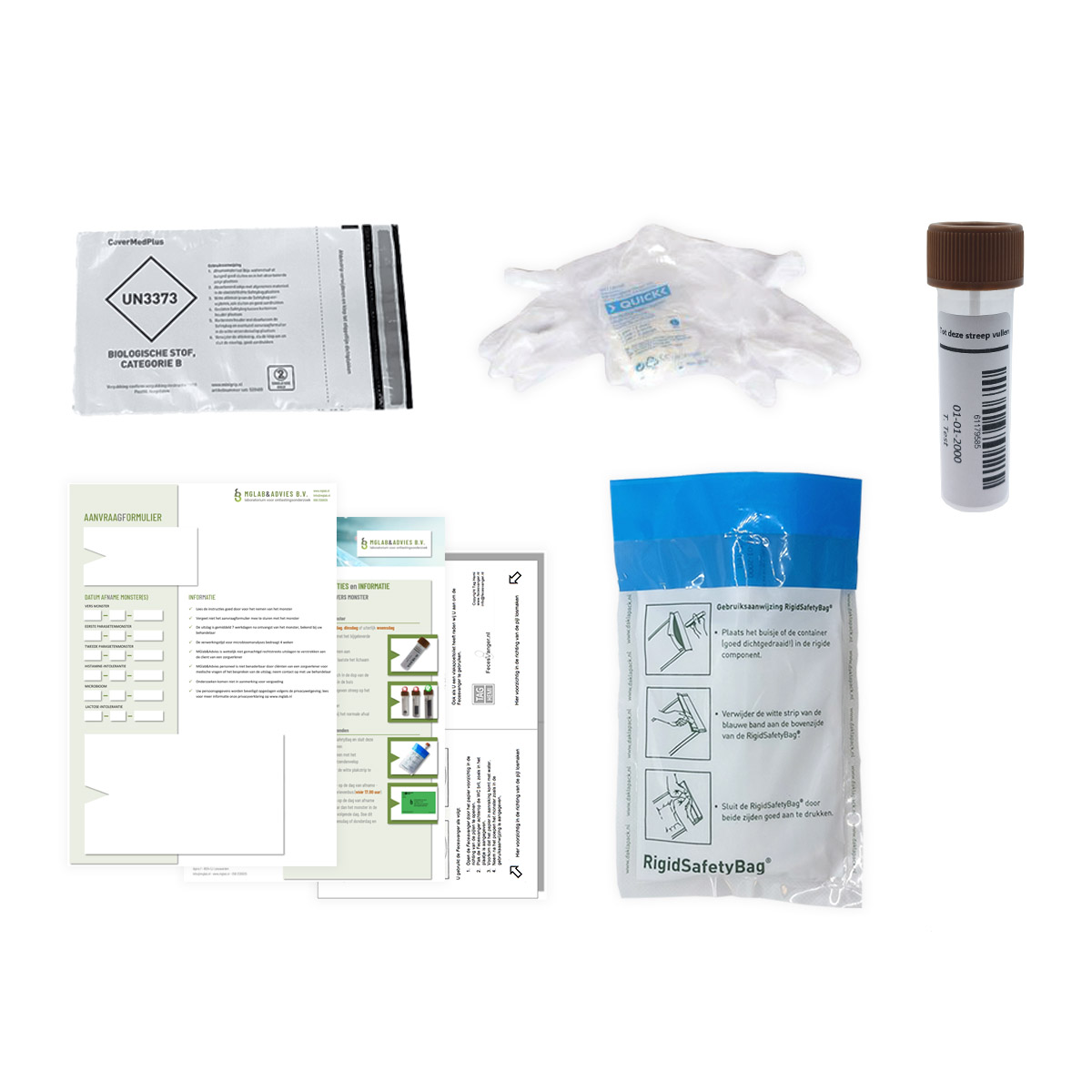
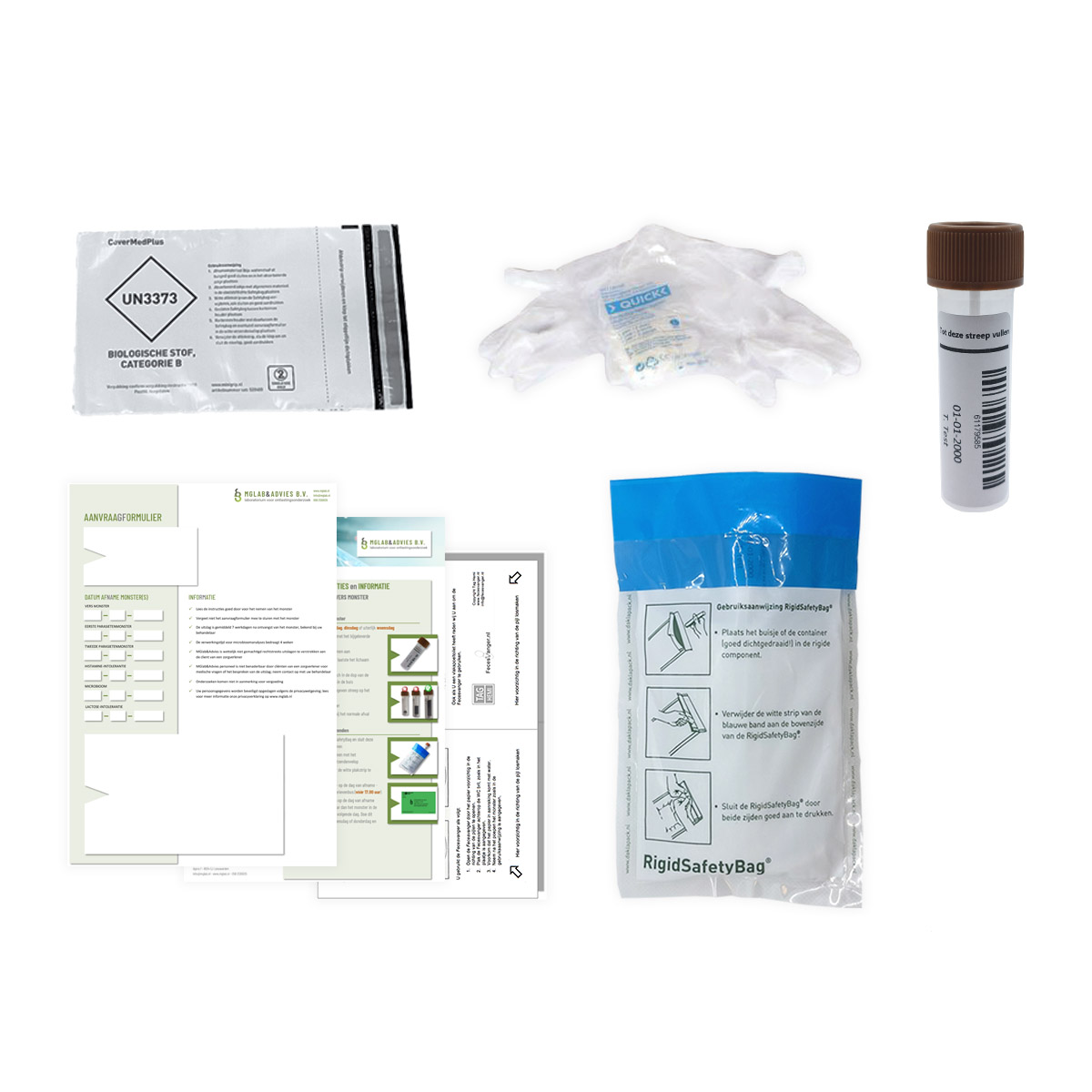
- You order the gut microbiome test and receive the sampling materials with instructions.
- You collect a small amount of stool at home according to the supplied instructions.
- You send the sample according to the instructions.
- The bacterial DNA is analysed and processed into a personal bacterial profile.
- You are expected to receive the results with a comprehensive research report within four weeks after the sample has been received.
Results and next steps
Use the profile mainly as background information for dietary and lifestyle choices or to monitor changes over time.
Use the result mainly as background information for your dietary and lifestyle choices. A varied diet with sufficient dietary fibre and regular physical activity fits a healthy lifestyle, but the test does not prescribe a personal diet or training programme.
If you want to monitor changes, you can test again later under conditions that are as similar as possible. A different bacterial profile does not automatically mean that your health, recovery or sports performance has improved.
For persistent intestinal complaints, other testing may be more suitable, for example for inflammatory activity, parasites or food digestion. Which test is useful depends on complaints, medical history and previous results.
Frequently asked questions
Answers to frequently asked questions about the gut microbiome test.
No. You gain insight into composition and diversity, but there is no fixed bacterial composition that is considered healthy for everyone.
The results can be a starting point for learning more about diet and gut bacteria. They do not reliably predict which specific foods work best for you personally.
Yes, especially if you want to monitor trends over time. The gut microbiota naturally varies, so preferably compare measurements taken under similar conditions.
The report shows groups that research associates with certain processes. Their significance depends on the species, the circumstances and other bacteria.
Not reliably. Targeted medical tests are generally more suitable for investigating possible causes of chronic intestinal complaints.
Follow the supplied instructions. Preferably maintain your usual diet and, with repeat measurements, note important changes. Do not stop prescribed medication on your own initiative.
Questions about this test?
Contact us if you are unsure whether you want insight into your gut microbiota or targeted testing for possible causes of intestinal complaints.
Are you unsure whether you mainly want insight into your gut microbiota or are instead looking for testing into possible causes of intestinal complaints? Contact Darmklachten.nl. We are happy to help you choose an appropriate test.
Order the gut microbiome test
Map the composition and diversity of your gut microbiota.
Would you like to map your gut microbiota or monitor changes over time?
You can order the gut microbiome test at the top of this page.