
What you need to know about heartburn
When acid from the stomach comes up into the mouth or oesophagus, this is referred to as regurgitation or acid reflux. Heartburn is irritation of the oesophagus caused by stomach acid and can be very unpleasant. It can cause a burning pain in the upper abdomen or just below the breastbone. Do you regularly experience this burning pain? It may indicate an underlying condition. On this page, you can read more about the symptoms and causes of heartburn and what you can do to reduce irritation of the oesophagus.
Tips to help prevent heartburn
- Eat smaller portions
- Avoid grains and nuts
- Eat slowly and chew your food well
- Drink a light broth
- Acid-suppressing medication: sometimes acid-suppressing medication is prescribed to slow digestion
- Avoid tight clothing; it can increase pressure on the stomach
- Exercise more
- If you are overweight, try to lose weight
- Do not smoke; smoking relaxes the sphincter
- Avoid constipation; it increases pressure on the stomach

We recommend the following tests:
 +
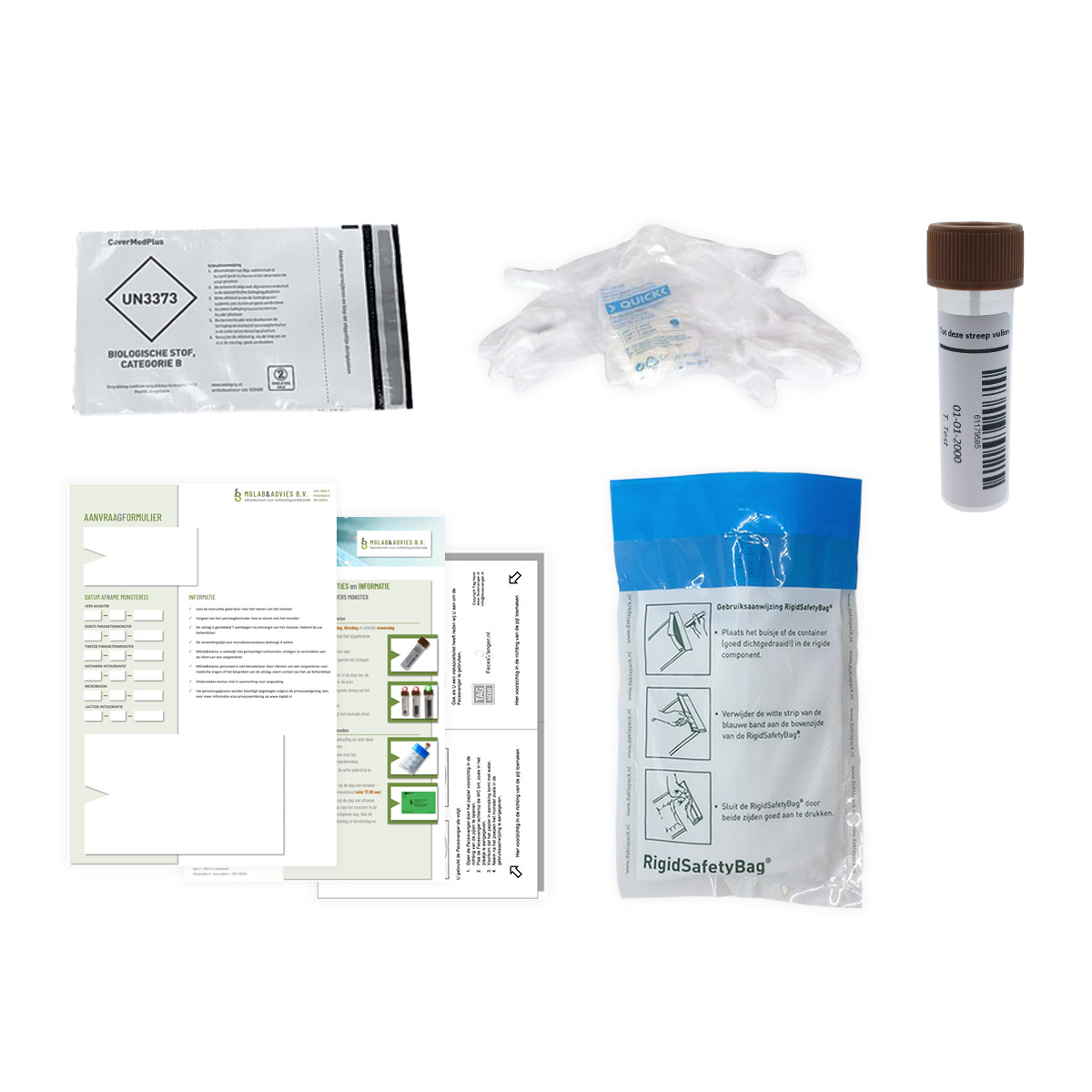
Chronic gastrointestinal complaints (IBS) package
Price range: € 350,00 through € 475,00 meer informatie


Symptoms of heartburn
There are several symptoms that can occur as a result of heartburn. These include:
- A sour taste in the mouth
- Bad or unpleasant breath
- A burning, raw sensation behind the breastbone
- A lump-in-the-throat sensation, also known as a ‘globus sensation’
- An irritated throat or tickly cough (the lining of the oesophagus can become irritated by stomach acid)
- Nausea and frequent (unpleasant-smelling) belching
- A swollen or bloated abdomen
Causes of heartburn
If you experience the symptoms above, this may indicate heartburn. Persistent heartburn will be treated. Possible causes of heartburn include:
- Eating meals that are too large
- If the stomach does not close properly, stomach acid or food can flow back into the oesophagus
- A hiatal hernia (hernia diaphragmatica)
- Bending forward
- Reflux
- Overweight
- Acid-suppressing medication
- Too little stomach acid, which reduces the absorption of vitamin B12
- An inflamed oesophagus
- Gluten sensitivity
- Poor digestion
Tests for persistent heartburn
If heartburn occurs regularly, stool testing through Darmklachten.nl can help investigate the cause. Tests that may be relevant in cases of an inflamed oesophagus, gluten sensitivity and poor digestion include:
- Helicobacter pylori – A bacterium that can cause stomach ulcers
- Transferrin – Traces of blood in the upper part of the digestive tract
- Bile acids – Fat digestion
- Pancreatic elastase – Breakdown of fat, starch and proteins
- Antigliadin and anti-ht-transglutaminase – Markers for gluten intolerance
- Digestive parameters: pH, fat, starch, stool colour and consistency