
What you need to know about a latex-free diet
Do you have a latex allergy? Then choose a latex-free diet. A latex-free diet is an eating pattern in which all foods containing latex are omitted. Nuts and seeds in particular have a high latex content. A latex allergy occurs especially in people who have worked with latex gloves, such as nurses and dentists. Read on for more information about a latex allergy and a latex-free diet.
What is latex?
Latex, better known as rubber, is a natural product. Latex is the sap of the Hevea brasiliensis tree and contains hundreds of proteins. This rubber is processed with as many as two hundred chemicals and food additives. A latex allergy often presents as irritation after contact with rubber gloves, a balloon or a condom. People who work or have worked in nursing are more likely to have a latex allergy. The allergy has two forms: a contact allergy that causes a skin rash and an inhalation allergy in which you react allergically to certain types of food.
Inhalation and contact latex allergy
A latex allergy is an allergic reaction after contact with a product that contains latex. This allergy occurs in 1 to 2% of the population. There is a difference between a food allergy and a contact allergy:
- An inhalation allergy develops from inhaling latex particles. Latex gloves used for medical purposes contain a fine powder to make the gloves easier to put on. Small latex particles adhere to the powder and enter the air. When you put on the gloves, the particles remain suspended in the air and you breathe them in. People who do not use latex gloves themselves also inhale the particles when latex gloves are used, for example, in an operating theatre. The likelihood of developing a latex allergy depends on the intensity and duration of exposure to latex. The gloves you use at home do not contain powder.
- With a contact allergy, a skin reaction can occur after touching products that contain latex, such as gloves or a condom. The food allergy does not occur in people who are only allergic to contact with latex.
Latex allergy and the fruit and vegetable syndrome
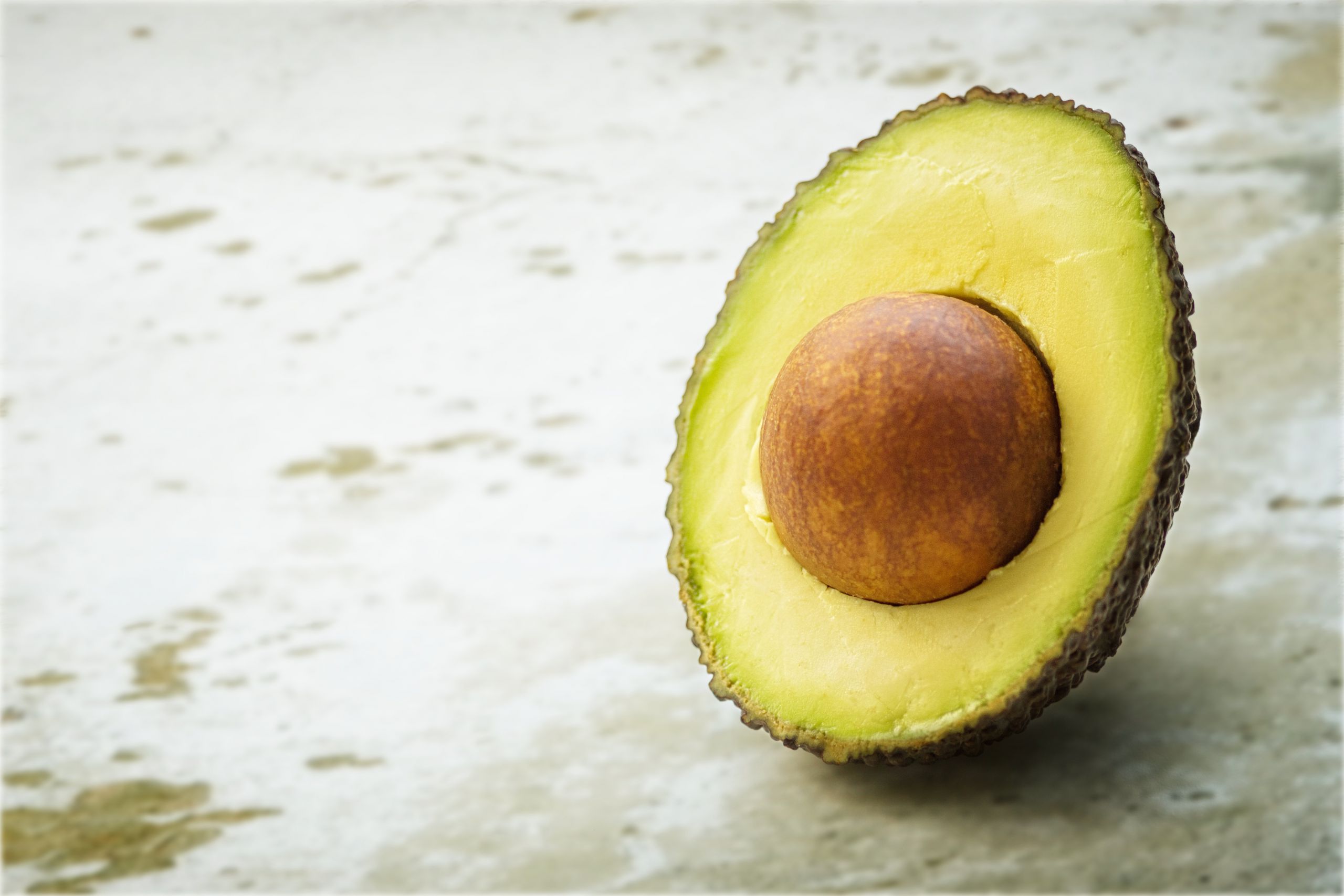
With an inhalation latex allergy, you can have an allergic reaction after eating food. Take avocado and papaya, for example. These fruits come from trees related to latex. You can develop internal symptoms as well as a severe skin rash. Your lips may become irritated or swollen. In my practice, during the first consultation I go through a food list with patients and ask whether it contains products they cannot tolerate. If avocado appears to cause a negative reaction, it can be stated with reasonable certainty that you have a latex allergy.
Making the diagnosis
People who react adversely to the vegetables and fruits mentioned above should always request a test to determine whether they have a latex allergy. It should be kept in mind, however, that the test is often negative in people with a latex allergy. The diagnosis is then missed. Depending on the cut-off value used, blood testing (RAST) or skin testing shows a reaction in about 40% of people with a latex allergy. The diagnosis is therefore missed in 60% of people. An allergy to papaya or avocado may in fact serve as evidence of a latex allergy.
Latex-free diet
If an inhalation latex allergy is suspected, you should follow a latex-free diet. It is then best to avoid foods that cross-react with latex. The following foods are omitted:
- Seeds and kernels: such as linseed, poppy seed, mustard, mustard seed, sunflower seeds, pine nuts, sesame seed, psyllium and pepper.
- Grains: wheat germ and buckwheat.
- Nuts: all nuts and chestnuts.
- Legumes: all legumes, beans, peanuts, soy.
- Fruit: all exotic fruits such as mango, papaya and passion fruit. Stone fruits such as apricot, cherry, plum and peach. Strawberry, pineapple, apple, avocado, banana, kiwi, coconut, nectarine, melon and fig.
- Vegetables: cucumber, tomato, carrot.
- Herbs and spices: all mixed herbs and spices, MSG (E621), vinegar, tobacco and plant-based medicinal products, such as Solidago virgaurea (goldenrod).
Following this latex-free diet will make the symptoms disappear. This is also strong evidence that a latex allergy is present. Some types of fruit can occasionally be eaten when they have been cooked,
About Darmklachten.nl
Darmklachten.nl is an initiative of MGlab&Advies B.V., a laboratory specialising in stool testing. …read more