

Eosinophil-derived Neurotoxin (EDN)
€ 52,00
Eosinophil-derived neurotoxin (EDN) is a protein that increases in response to (food) allergies and bacterial or viral inflammation. EDN also increases with worm infections, and high values may also be associated with a leaky gut.
The EDN module measures the concentration in stool of:
€ 52,00
Description
Eosinophil-derived neurotoxin (EDN) – insight into immune activity in the gut
Do you have recurring gastrointestinal complaints and want to know whether certain immune cells in your gut are particularly active? This stool test measures eosinophil-derived neurotoxin (EDN). This protein is released when eosinophils, a type of white blood cell, are active.
The result can help determine whether further testing may be useful. The test provides information about eosinophilic immune activity, but does not show its precise cause.
Quick navigation
show
hide
Go directly to the information you are looking for.
When is this test suitable?
Targeted additional testing when you want to know more about eosinophilic immune activity in the gut.
- You have recurring abdominal pain, diarrhoea or other gastrointestinal complaints without a clear cause.
- Your symptoms seem to be related to food and you want to know more about immune activity in the gut.
- In addition to gastrointestinal complaints, you have a history of allergy, such as eczema or food allergy.
- There is a suspicion that eosinophilic immune cells are involved in your symptoms.
- Previous gastrointestinal testing has not provided a clear explanation and you want targeted additional information.
Important: EDN is an additional test. The test does not show which foods trigger a reaction and does not detect parasites. Other tests are required for this.
What do we test?
We measure the amount of eosinophil-derived neurotoxin (EDN) in your stool.
- We measure the amount of EDN in your stool. EDN is a protein released by eosinophils, a type of white blood cell.
- The result is compared with the laboratory’s reference values.
The test provides information about eosinophilic immune activity in the gut, but not about its precise cause.
What can the result tell you?
The result shows whether an increased amount of EDN was found in the sample tested.
Within the reference range
A value within the reference range means that no increased amount of EDN was found in the sample tested. This does not completely rule out an allergic or inflammatory reaction.
Elevated value
An elevated value means that eosinophilic immune cells may be more active in the gastrointestinal tract. This can occur with various allergic or inflammatory reactions.
The result alone does not establish a diagnosis. EDN cannot, for example, demonstrate a food allergy, worm infection or “leaky gut”. Targeted follow-up testing may be needed if the value is abnormal.
Explanation of the value tested
What eosinophil-derived neurotoxin can tell you about the activity of eosinophilic immune cells.
Eosinophil-derived neurotoxin (EDN)
Eosinophils are white blood cells of the immune system. They can become active in, among other things, certain allergic reactions, inflammation and parasitic worm infections. EDN is released in the process.
Some of this can enter the stool. EDN can therefore provide information about the activity of these immune cells in the gut. The test does not indicate what causes this activity.
How does the test work?
From collecting the sample at home to the laboratory result with reference values.
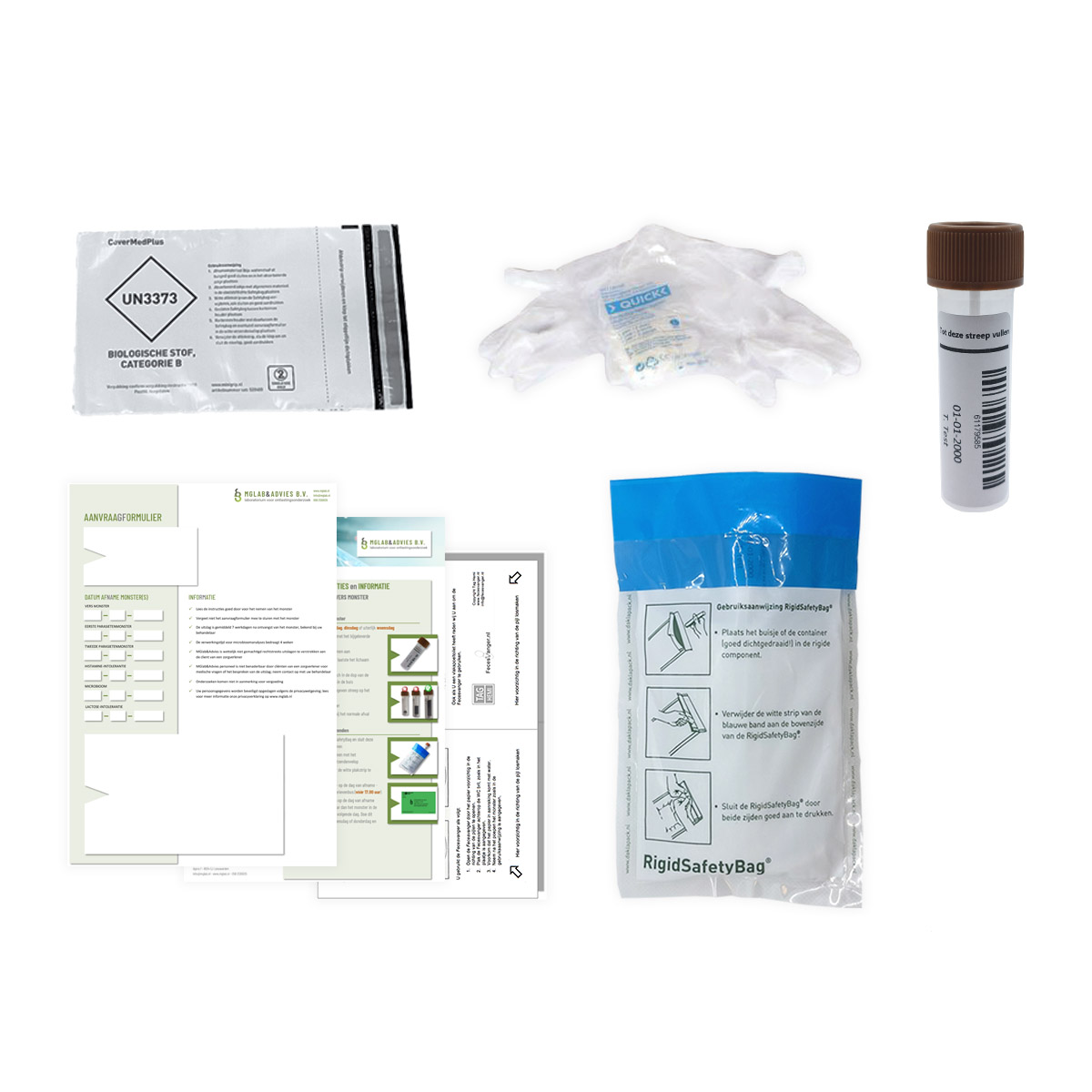
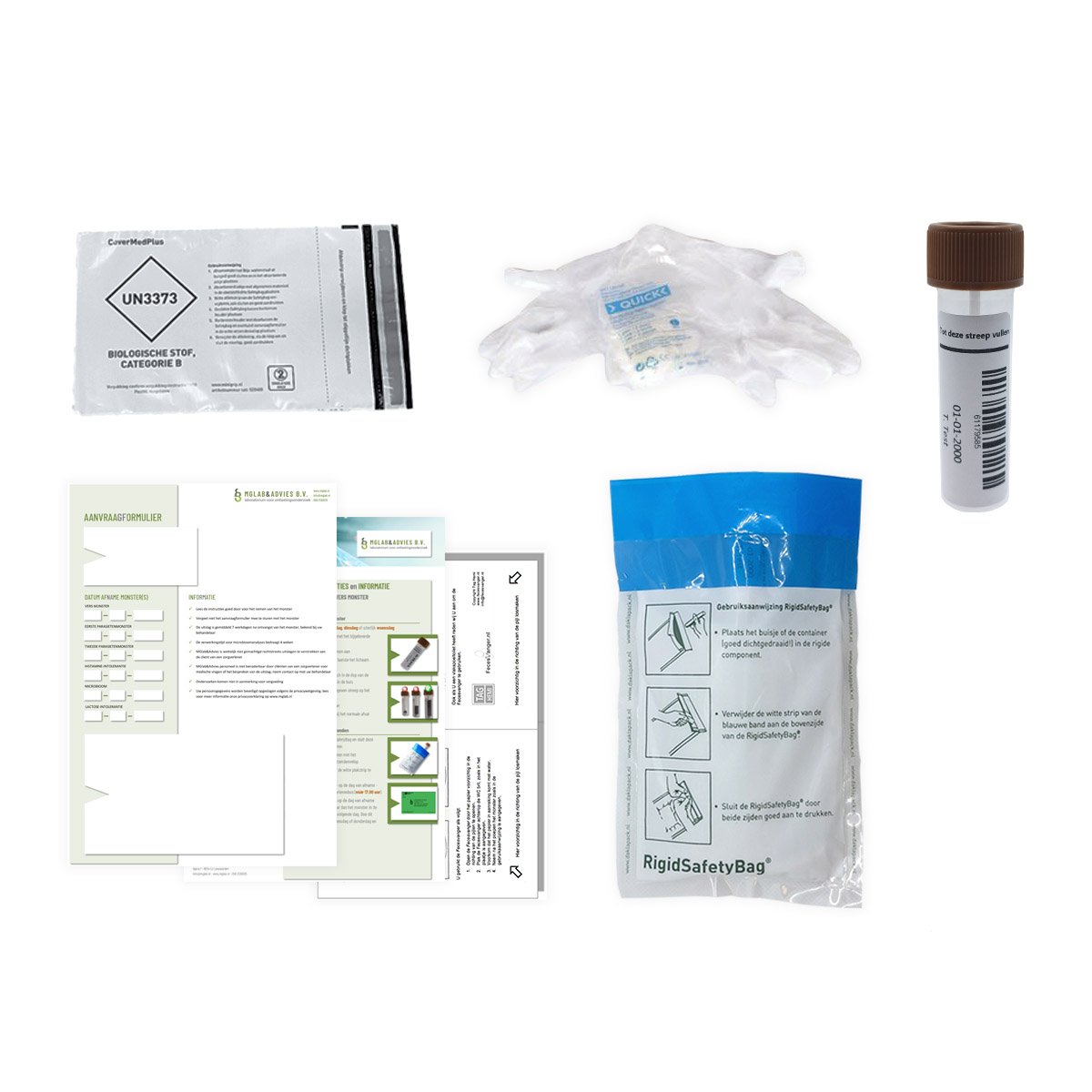
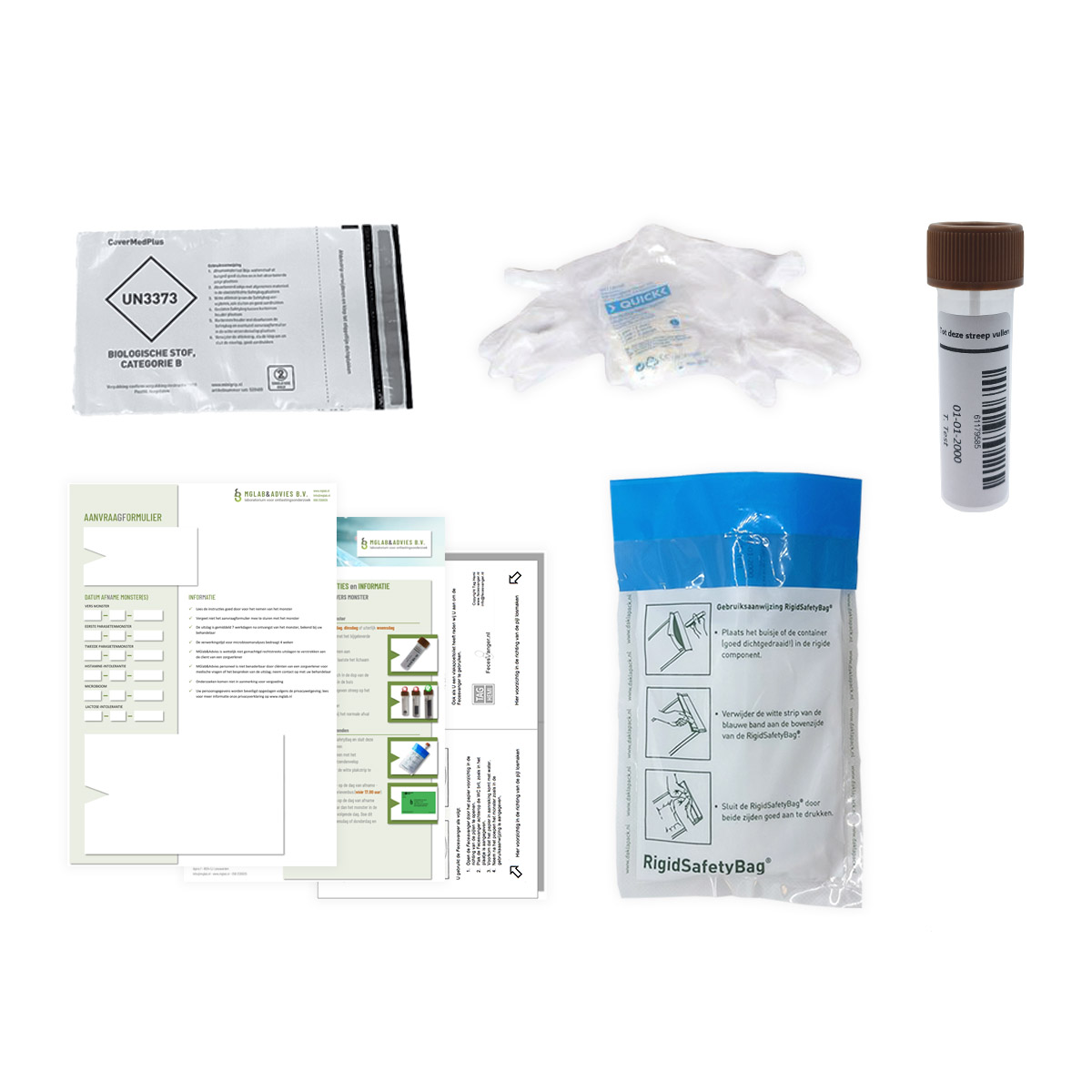
- You order the EDN stool test and receive sampling materials with instructions.
- You collect a small amount of stool at home.
- You package and send the sample according to the instructions.
- The laboratory measures the amount of EDN.
- You receive the result with the corresponding reference values.
Results and next steps
An elevated EDN value may be a reason for more targeted follow-up testing.
Is the EDN value elevated? Additional testing may then be useful, depending on your symptoms and medical history. This might include allergy testing, calprotectin if intestinal inflammation is suspected, or parasite testing when indicated.
Discuss an abnormal result with your doctor if necessary. Contact your GP if you have blood in your stool, unexplained weight loss, persistent fever or severe symptoms.
Frequently asked questions
Answers to frequently asked questions about the EDN stool test.
No. EDN can be elevated in some allergic intestinal reactions, but it does not show whether you have a food allergy or which food is involved.
An elevated EDN value can occur with some worm infections, but it does not detect worms. Targeted parasite testing is required for this.
No. EDN measures the activity of eosinophilic immune cells, not the permeability of the intestinal wall.
If you specifically want to know whether there are indications of eosinophilic immune activity. More extensive testing may be more appropriate for broader or unclear symptoms.
No. Not every allergic or inflammatory reaction produces an elevated EDN value in stool.
Follow the instructions provided. Do not change your diet or medication on your own initiative for this test.
Questions about this test?
Contact us if you are unsure whether the EDN stool test is suitable for your symptoms.
Unsure whether this test is suitable for your symptoms? Contact Darmklachten.nl. We will be happy to help you choose an appropriate test.
Order an EDN stool test
Targeted testing of eosinophilic immune activity in the gut.
Would you like to know whether there are indications of increased eosinophilic immune activity in your gut?
You can order the EDN stool test at the top of this page.