Worm laboratory test (10 species)
€ 82,00
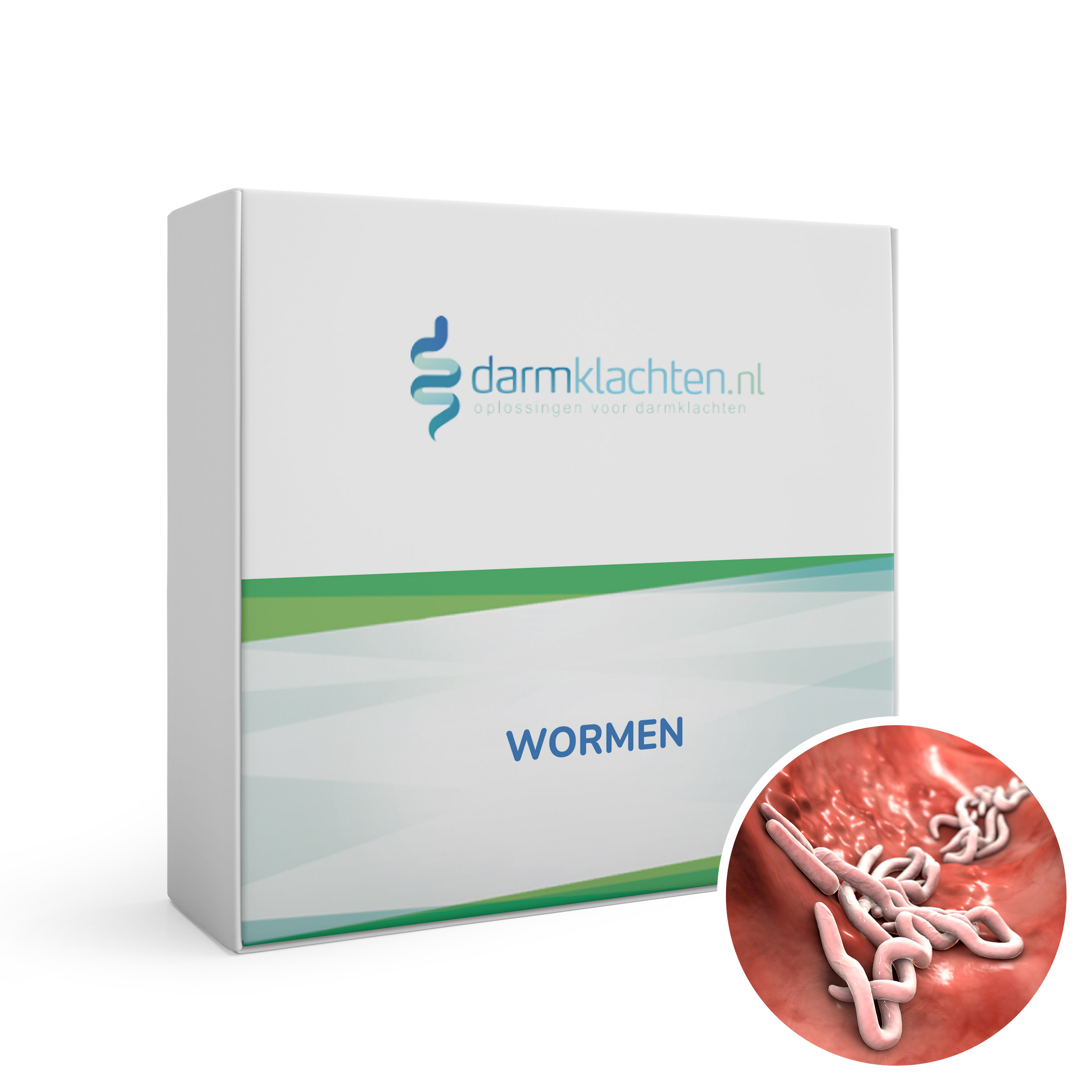
Multicellular parasites (worms) can be present in the intestine, and an infection can go unnoticed but can also cause symptoms. In the Netherlands, infection with pinworm (Enterobius vermicularis) occurs mainly in children, and other worms that are found include whipworm (Trichuris), roundworm (Ascaris) and hookworm (Ankylostoma). These are very rare and a worm infection is mainly contracted abroad.
The module WORMS determines the presence or absence in the stool of:
- Enterobius vermicularis (pinworm)
- Hymenolepis spp. (tapeworm)
- Taenia spp. (tapeworm)
- Ancylostoma spp. (hookworm)
- Necator americanus (hookworm)
- Enterozytozoon spp. (microsporidia)
- Encephalitozoon spp. (microsporidia)
- Ascaris spp. (roundworm)
- Strongyloides spp. (roundworm)
- Trichuristrichiura (whipworm)
€ 82,00
Description
Worm test – stool testing for worm infections
Do you suspect a worm infection, for example after staying abroad, with persistent gastrointestinal complaints or because you have seen something unusual in your stool? This test specifically looks for different types of worms that can occur in the intestine. You collect a small amount of stool on two consecutive days.
Sampling on two days increases the chance of detecting a worm infection if one is present. The test also includes two types of microsporidia ; these are very small intestinal parasites and are not worms.
Quick links
show
hide
Go directly to the information you are looking for.
When is this test suitable?
Targeted testing when a worm infection fits your symptoms, travel history or what you have seen in your stool.
- You have persistent or recurring gastrointestinal complaints that started during or after a stay abroad.
- You suspect a worm infection, for example because of itching around the anus or because you have seen something in the stool that looks like a worm.
- You want targeted testing to determine whether one of the worms in this panel can be detected.
- Your gastrointestinal complaints persist without a clear explanation and you want to include worms as a possible explanation in the investigation.
- You are concerned about a possible worm infection and want more clarity.
Many worm infections cause few or variable symptoms. Several species in this panel are uncommon in the Netherlands, but may be relevant particularly after a stay abroad or when there is a specific suspicion. Pinworms are an exception and occur mainly in children. This test can therefore provide useful additional information when worms fit your symptoms or medical history.
What do we test?
The laboratory tests the material specifically for various worms and two types of microsporidia.
Enterobius vermicularis
Pinworm.
Hymenolepis spp.
Tapeworms, including H. nana and H. diminuta.
Taenia spp.
Tapeworms, including T. solium, T. saginata and T. asiatica.
Ancylostoma spp.
Hookworms, including A. duodenale, A. caninum and A. ceylanicum.
Necator americanus
Hookworm.
Ascaris spp.
Roundworms, including A. lumbricoides and A. suum.
Strongyloides spp.
Thread-/roundworms, including S. stercoralis and S. fuelleborni.
Trichuris trichiura
Whipworm.
Microsporidia
Enterocytozoon spp. / Encephalitozoon spp. are very small intestinal parasites and are not worms. They are included in the same test.
You collect a small amount of stool on two consecutive days. One test therefore gives you information about several worm species that can each be contracted in different ways and can cause different symptoms.
What can the result tell you?
The report shows for each group tested whether it was detected or not detected.
Detected
With “detected”, evidence has been found for one of the worms or microsporidia tested. This can provide important information when looking for an explanation for symptoms and helps determine the appropriate next step.
Not detected
With “not detected”, the worms and microsporidia tested were not found in the submitted samples. If suspicion nevertheless remains strong, additional testing can sometimes be useful depending on your symptoms or travel history.
If a worm is found, we recommend discussing the result with your GP.
Explanation of the tested values
What the main groups in the Worm Test are and when a positive finding may be relevant.
Pinworm (Enterobius vermicularis)
Pinworms are small, white worms that occur mainly in children. The most characteristic symptom is itching around the anus, often in the evening or at night, because the females lay their eggs there.
This test can detect pinworms in stool. If the suspicion is very typical, a tape test may also be useful because the eggs are mainly deposited around the anus.
Roundworm, whipworm and hookworms
Roundworm, whipworm and hookworms occur worldwide mainly in areas with warm conditions and poorer sanitation. An infection can occur without obvious symptoms, but can also cause abdominal pain, diarrhoea or other gastrointestinal complaints.
With a long-term infection, hookworms can contribute to anaemia. These infections are rarely found in the Netherlands; a stay or exposure abroad is therefore often relevant information.
Strongyloides
Strongyloides is a threadworm that occurs mainly in tropical and subtropical regions and can remain in the body for a long time. With a relevant travel history, unexplained abnormalities in the blood or reduced immunity, targeted testing for this worm may be important.
Sometimes blood testing is also needed in addition to stool testing.
Tapeworms
Hymenolepis and Taenia species are tapeworms. With some tapeworm infections, pieces of the worm may be visible in the stool. The test specifically examines whether tapeworms from these groups can be detected.
With a positive result, the GP can determine whether additional testing is needed.
Microsporidia
Enterocytozoon and Encephalitozoon are microsporidia: very small intestinal parasites and not worms. They are included in the same test. They can cause diarrhoea and are particularly relevant in people with reduced immunity.
How does the test work?
From collection on two consecutive days to the laboratory report.
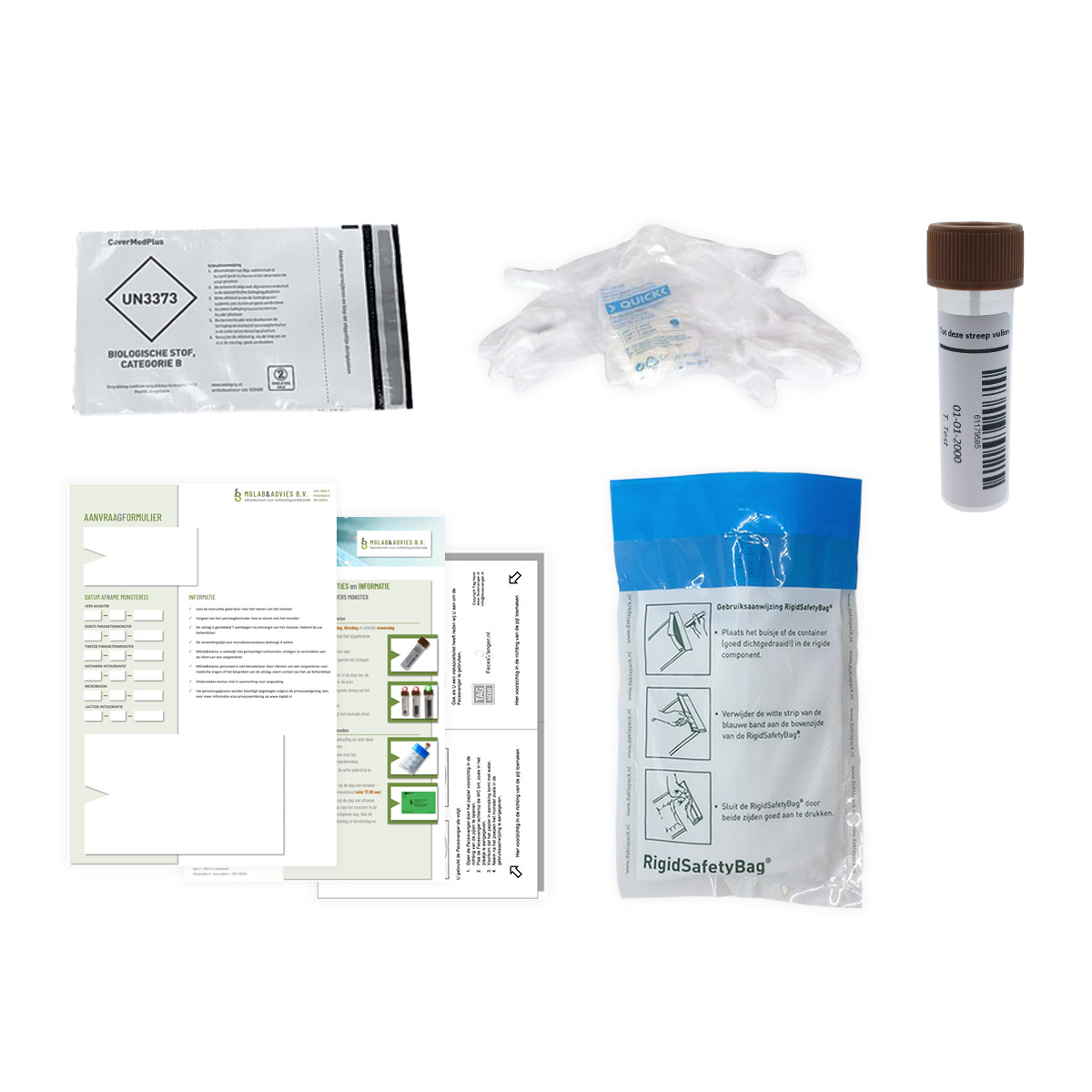
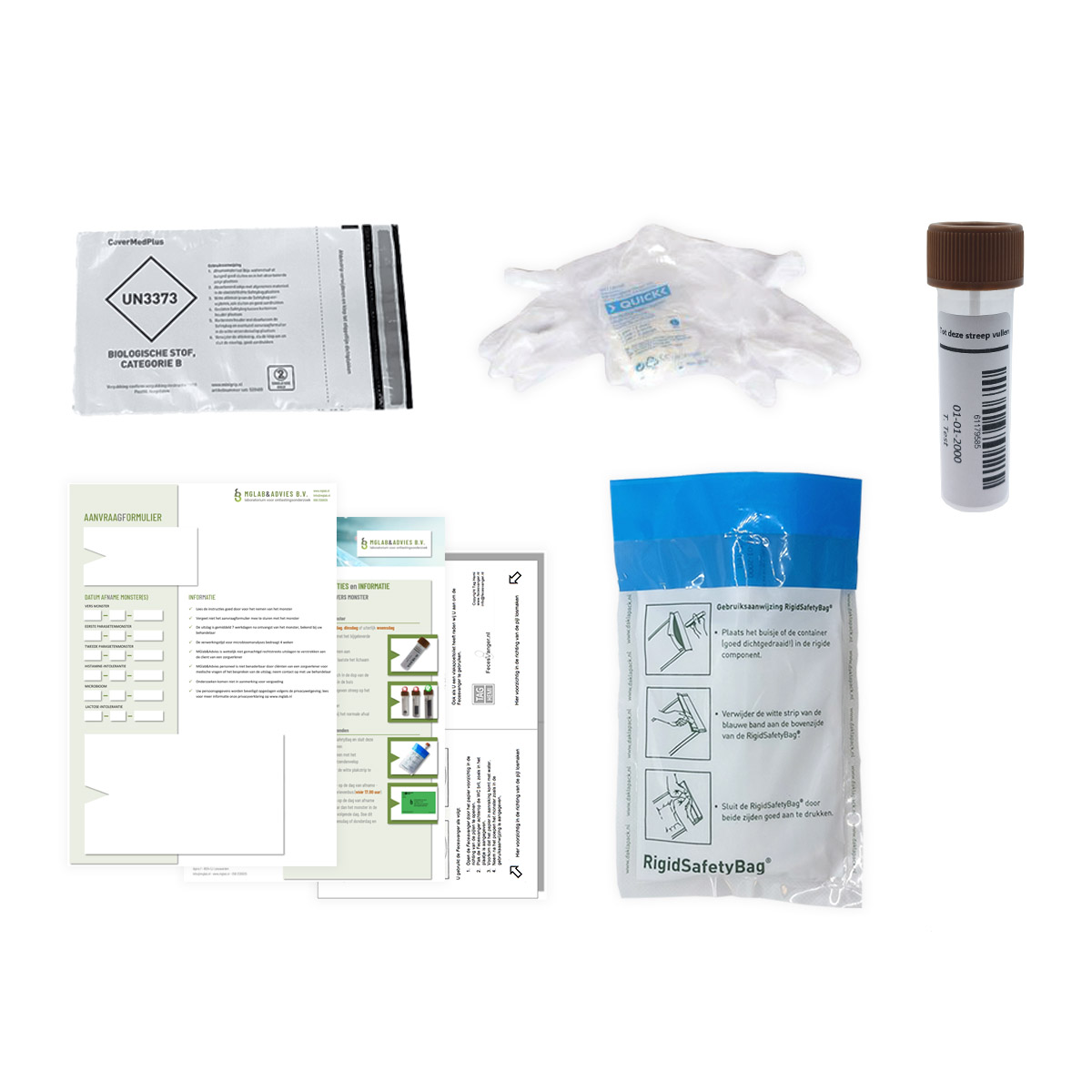
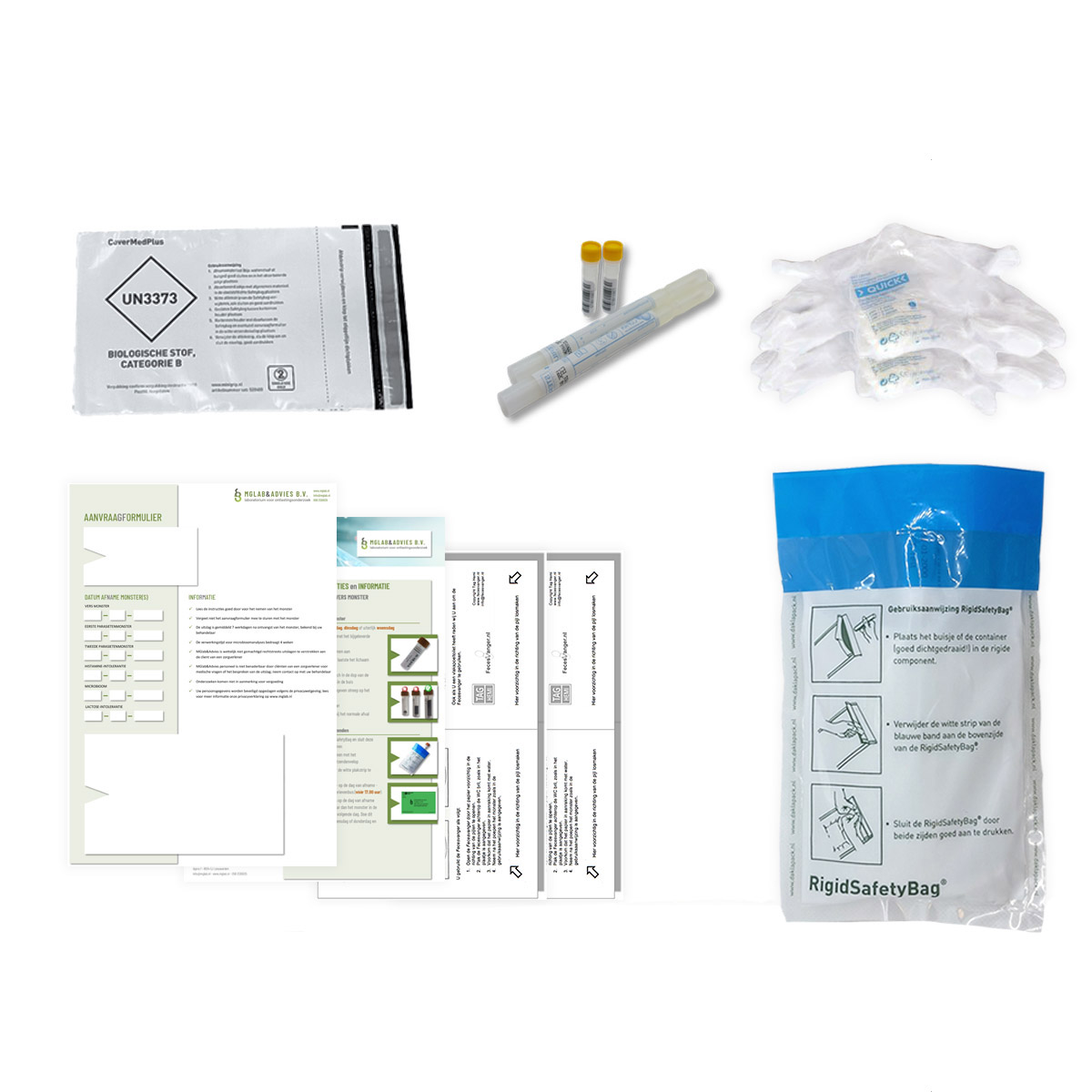
- You order the Worm Test and receive the collection materials with instructions.
- At home, you collect a small amount of stool in the designated tubes on two consecutive days. Sampling on two days increases the chance of detecting a worm infection if one is present.
- You send the samples to the laboratory according to the supplied instructions.
- The laboratory tests the material specifically for the worms and microsporidia in the panel.
- You receive a laboratory report stating for each group tested whether it was detected or not detected.
Results and next steps
The appropriate next step depends on the species found, your symptoms and your travel or stay history.
The report states for each worm or parasite tested whether it was detected or not detected.
If a worm result is positive, it is appropriate to discuss it with your GP. Depending on the species found, your symptoms and your travel or stay history, treatment or additional testing may be needed. With a positive microsporidia result, medical assessment is especially important in the case of persistent diarrhoea or reduced immunity.
If symptoms persist while the test does not detect worms, other testing may be appropriate. If there is a strong suspicion of pinworms, for example, a tape test can provide additional information, and for Strongyloides blood testing may sometimes be needed. Which next step is most useful depends on your symptoms and medical history.
Frequently asked questions
Answers to frequently asked questions about the Worm Test.
The test examines stool specifically for various worms and two microsporidia. For each group tested, you are shown whether it was detected or not detected.
Not always. The laboratory tests the stool sample for the worms in the panel; this does not automatically identify a visible structure. Thread-like structures can, for example, also be mucus or fibrous material. If you have clearly seen something that looks like a worm, please contact us. We can advise whether separate assessment of the material would be useful.
Yes, pinworm is included in this test. Because pinworms lay their eggs mainly around the anus, a tape test may also be useful with typical symptoms – especially itching around the anus at night.
The amount of worm material that enters the stool can vary from day to day. You therefore collect samples on two consecutive days. This increases the chance of a positive finding.
No. A normal result means that the worms tested were not found in these samples. If there is strong suspicion, a doctor may sometimes recommend another test, depending on the type of worm and your symptoms.
Follow the supplied collection instructions and do not stop prescribed medication on your own initiative. Preferably take small amounts from different parts of the stool so that the sample is as representative as possible. For pinworms, it has not been shown that the first part of the stool specifically contains more eggs. If there is clear itching around the anus at night, a tape test in the early morning may provide additional information.
Questions about this test?
Contact us if you are unsure whether the Worm Test is suitable for your symptoms.
Are you unsure whether the Worm Test suits your symptoms, or whether another stool test would provide more information? Contact Darmklachten.nl. We will be happy to help you choose an appropriate test.
Order the Worm Test
Targeted stool testing for various worms and two types of microsporidia.
Would you like to have your stool tested to see whether one of these worms can be detected?
You can order the Worm Test at the top of this page.
Additional information
| Symptomen | |
|---|---|
| Aandoeningen |