
What is a stomach ulcer?
A stomach ulcer is an inflammation of the protective mucous membrane lining of the stomach. In some cases, the lining of the oesophagus and duodenum can also become inflamed. If the ulcers are deeper, the nerves in the connective-tissue layer may become exposed. Gastric juices can then come into direct contact with the nerves. This contact causes pain and other unpleasant symptoms and complaints.
Symptoms of a stomach ulcer
A stomach ulcer is accompanied by pain in the stomach area, but there are more symptoms by which you may recognise a stomach ulcer:
- Pain in the upper abdomen
- A burning sensation behind the breastbone
- Nausea
- Reduced appetite, causing weight loss
- A bloated abdomen
- Belching
- Pain radiating to the back, shoulder blades and neck
- Pain that increases when you are hungry and decreases after eating
- Acid-suppressing medicines that reduce the pain
- Black stools when the mucous membrane is bleeding

Causes of a stomach ulcer
The main cause of a stomach ulcer is infection with the bacterium Helicobacter pylori. Many people carry this bacterium without experiencing symptoms. The fact that people carry this bacterium does not mean that they will all develop a stomach ulcer. H. pylori may disappear spontaneously after a number of weeks. If symptoms persist, treatment to eradicate the bacterium is recommended. In some cases, an anti-inflammatory painkiller can also be the cause of a stomach ulcer.
We recommend the following tests:

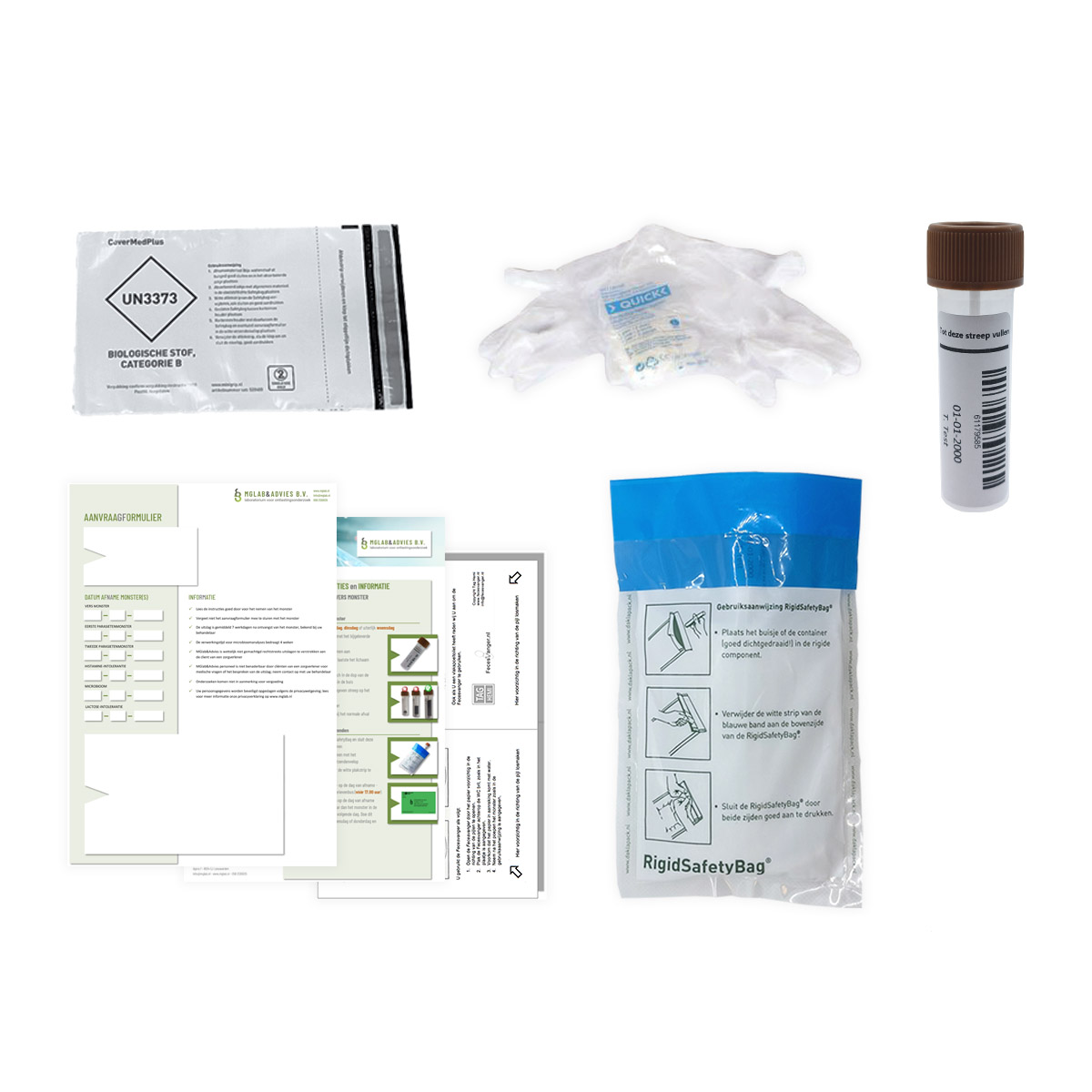

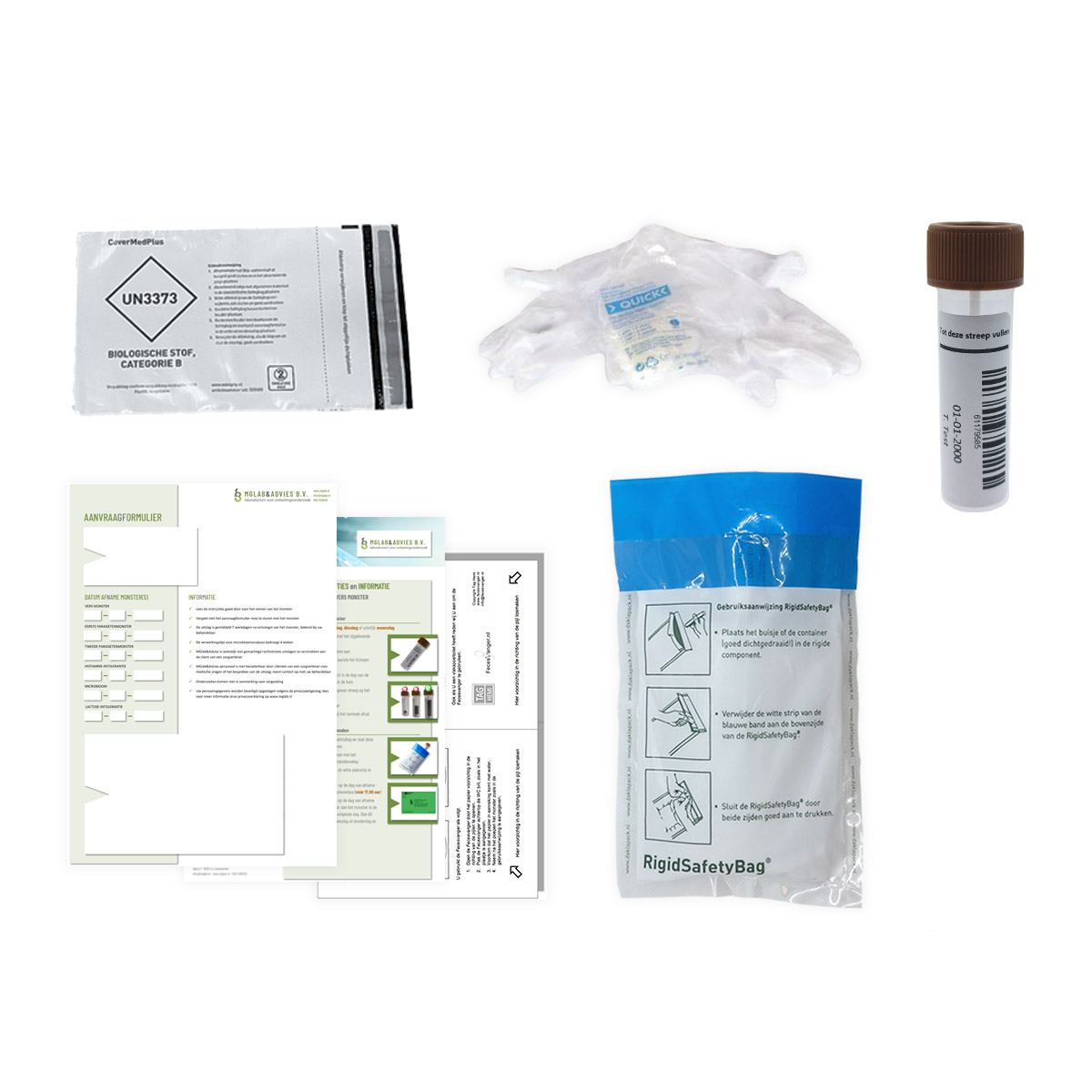


Available tests
In the laboratory, the presence of H. pylori can be detected in stool using immunological analyses such as ELISA or immunochromatography. See also the article about Helicobacter. In addition to H. pylori, there are other bacteria that can cause inflammation of the stomach lining. Additional tests are also available that can help determine the cause of a stomach ulcer:
- A test of calprotectin levels; an increase indicates inflammation
- A test for occult blood and transferrin in the stool. A stomach ulcer can cause bleeding; this blood passes through the stomach and intestine into the stool
- A test for fat in the stool. Digestion decreases in people who use acid-suppressing medicines. Reduced fat absorption increases the fat content of the stool
- The vitamin D3 level in the blood. With reduced fat absorption, lower levels of fat-soluble vitamins such as vitamin D3 are often seen. It is advisable to have the vitamin D3 level in the blood measured
Risk factors that increase the likelihood of a stomach ulcer
There are a number of specific risk factors that increase the likelihood of a stomach ulcer. These factors are:
- Age: the likelihood of a stomach ulcer due to H. pylori infection increases after the age of 45
- Sex: stomach ulcers occur more often in men than in women
- Lifestyle: people who smoke cigarettes are more likely to develop a stomach ulcer
- You can become infected through stool, other people’s hands, food or water. H. pylori is detected more often among people in the Netherlands with a migration background. Because Helicobacter naturally occurs in the stomach of many people, in most cases its presence does not indicate a stomach ulcer
Anti-inflammatory painkillers (NSAIDs)
Inflammation of the stomach lining can be caused by anti-inflammatory painkillers such as diclofenac, ibuprofen and naproxen. These are non-steroidal anti-inflammatory drugs, abbreviated as NSAIDs. These painkillers are often prescribed or purchased over the counter when paracetamol does not have enough effect.
Treatment of a stomach ulcer
For stomach complaints and an H. pylori infection, a doctor may prescribe a course of two antibiotics. In many cases, acid-suppressing medicines are also prescribed. These do relieve the symptoms, but they do not heal the stomach lining or the stomach ulcer. The partner of a person with a stomach ulcer will often also be infected. It is then advisable to investigate the partner further to determine whether they also have symptoms of a stomach ulcer.
Stomach complaints after using painkillers
If symptoms occur after using anti-inflammatory painkillers, you can contact your GP. Your GP can help find alternative medicines to relieve the pain.
The stomach-ulcer diet
Do you have complaints or symptoms that may indicate a stomach ulcer? Taking the stomach ulcer into account in your diet may substantially reduce your symptoms. The following foods may help reduce stomach-ulcer symptoms:
- Fresh cabbage or cabbage juice
- Aloe vera
- Steamed vegetables
- Liquorice
It is better to remove the following foods from your diet when you have a stomach ulcer:
- Caffeine
- Alcohol
- Cocoa
- Chocolate and cola
- Citrus fruits and juices
- Fatty and fried foods
- Tomatoes
- Peppermint
In addition to following this diet, it is better not to eat during the three hours before going to bed. You can also avoid gluten and dairy as much as possible and eat smaller meals regularly throughout the day.
About Darmklachten.nl
Darmklachten.nl is an initiative of MGlab&Advies, a laboratory specialising in stool testing. …read more