
What you need to know about mucus in the stool
Normal human stool is firm, well formed and brown in color due to remnants of our blood, and no mucus is visible. The brown color of stool ranges from light brown (peanut-butter-like) to dark brown (chocolate-spread-like). Bile and bilirubin originate from red blood cells and give stool its brown color. Dark stool indicates that it has remained in the body longer. In newborn babies, fecal matter is initially yellow-green. The appearance and color of stool can vary greatly in adults and young children. The color of stool can tell us a great deal about our health. If mucus is also visible, this may indicate inflammation or irritation. Mucus in the stool comes from the lining of the intestines. The mucus may be on the outside of the stool or mixed into it. Bloody mucus indicates inflammation.
 Akkermansia muciniphila
The bacterium Akkermansia muciniphila (named after the Dutchman Akkermans) plays an important role in maintaining the mucus layer in the intestine. When the bacterium increases, mucus is broken down, and when this bacterium decreases, the quality of the mucus layer declines because there is not enough buildup. In a healthy intestine, there is a balance between the buildup and breakdown of mucus, creating a dynamic layer of stable thickness. Although the composition of the gut flora varies with the seasons due to changes in food availability, the thickness of the mucus layer remains the same. When food is scarce, bacteria use mucus, which reduces the quality of the body’s defenses.
Symptoms of mucus in the stool
When mucus is visible in the stool, this may be the result of inflammation of the intestine. This is often accompanied by other symptoms such as:
- Mucus in the stool
- False urge to defecate
- A bloated abdomen
- Flatulence
- A changing bowel pattern
- A strong odor
- Visible blood in the stool
Tests for mucus in the stool
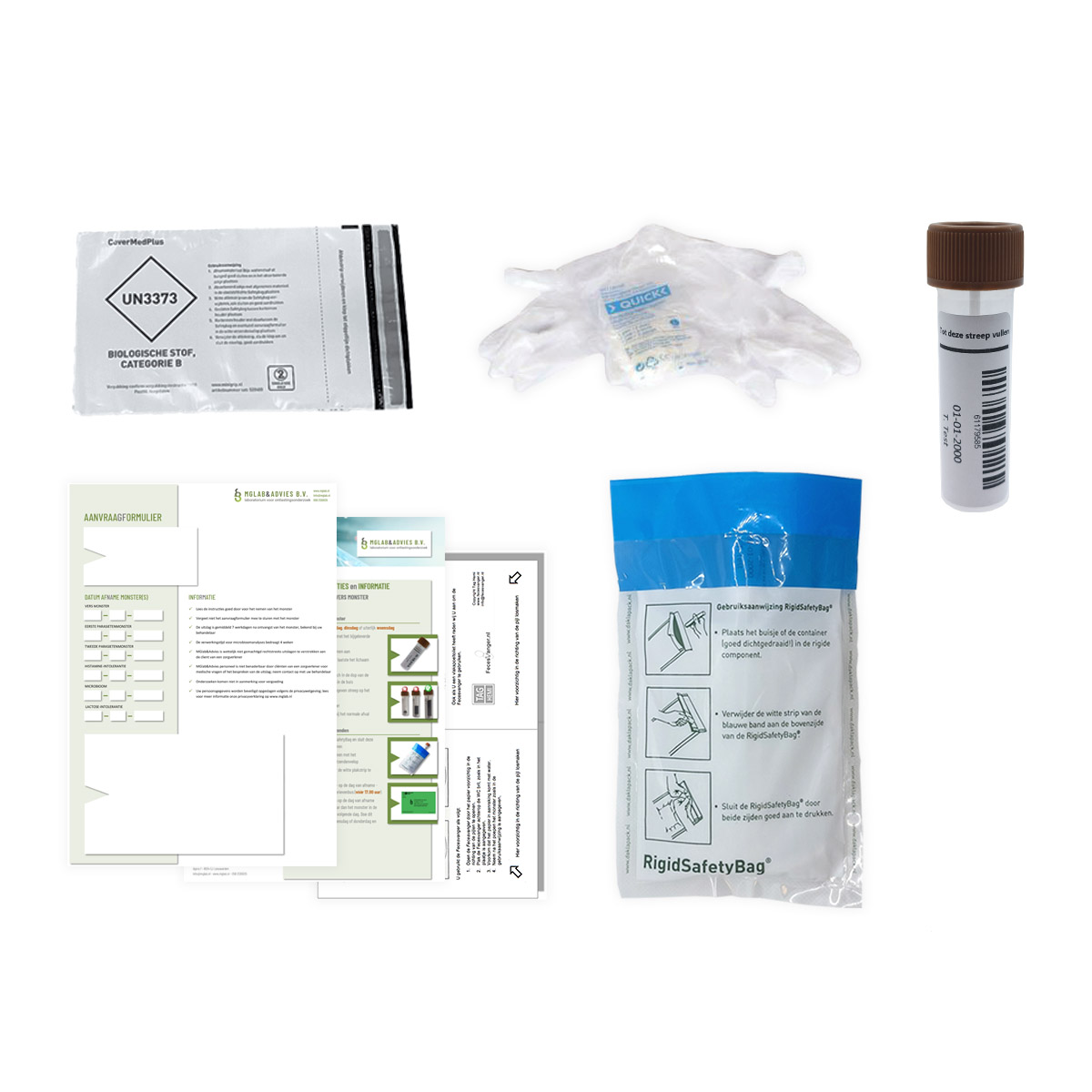
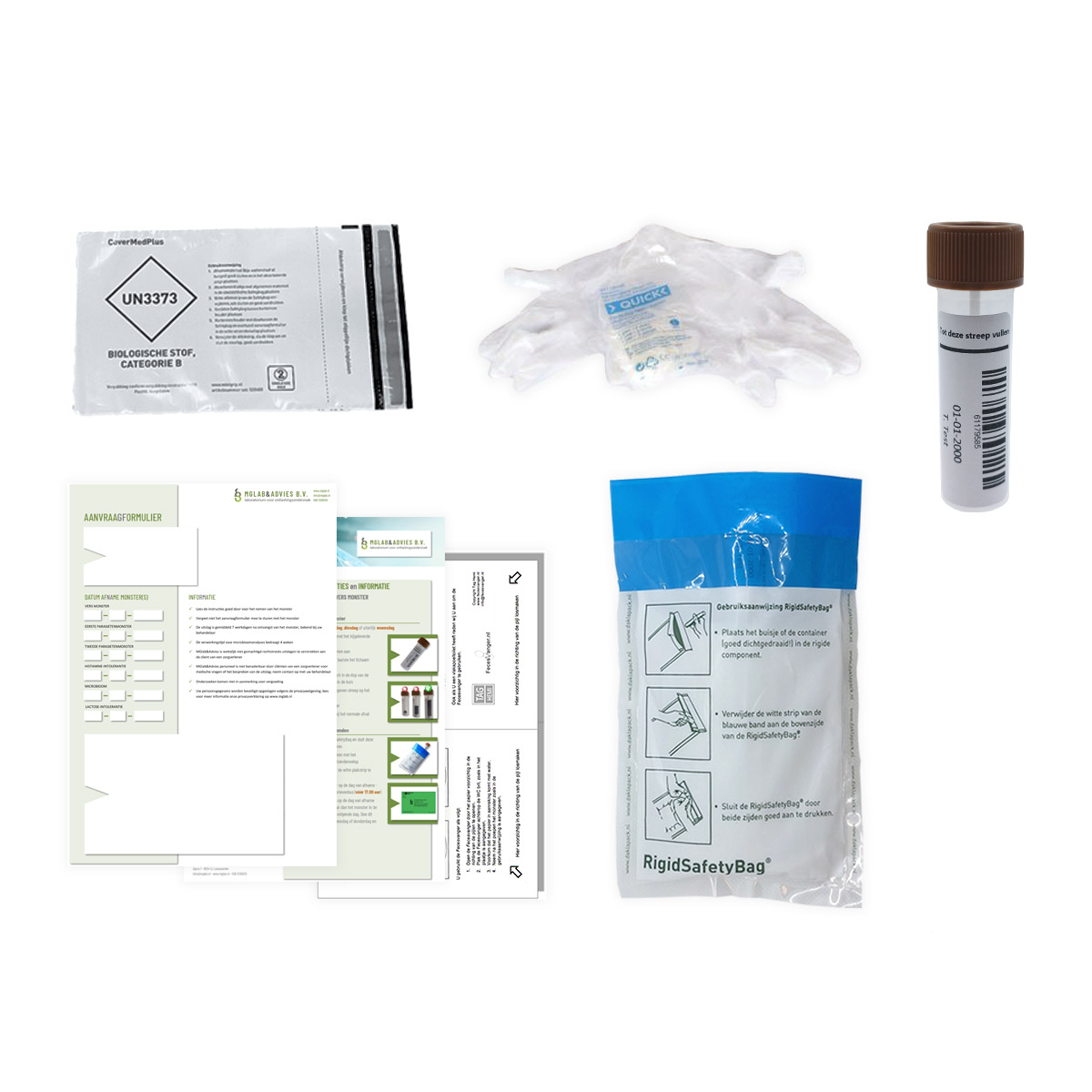
If mucus is visible in the stool, stool testing through Darmklachten.nl may help identify the cause. See our recommended test packages and individual modules below.




Causes of mucus in the stool
- Constipation
With hard stool, mucus is more often seen around the stool - Overweight
With overweight, the stool is often somewhat harder and there is an increase in mucus - Chronic inflammation
In intestinal diseases such as Crohn’s disease and ulcerative colitis, mucus mixed with the stool is seen

The laboratory regularly receives requests to examine elongated, white structures from stool. The client often suspects a worm infection. In the Netherlands, worm infections are uncommon, with the exception of pinworm. This small worm plays a role in daily life because 10 to 14% of children in the Netherlands are infected with it. The infection is noticed through itching around the anus and is relatively easy to treat. On closer examination, the elongated, white structures are in almost all cases strands of mucus that can be mistaken for a worm.
More information about the tests
- Digestive parameters pH, fat, starch, color and consistency of the stool – read more…
- Yeasts and fungi – Test for the presence of, among others, Candida albicans – read more…
- Intestinal parasites – Test for infections with intestinal parasites – read more…
- Calprotectin – Inflammation marker for Crohn’s disease and ulcerative colitis – read more…

About darmklachten.nl
Darmklachten.nl is an initiative of MGlab&Advies, a laboratory specializing in stool testing. …read more