
Intestinal parasite laboratory test (9 species)
€ 198,00
A large proportion of people with gastrointestinal complaints are infected with single-celled parasites. Possibly 40% of the population carries these parasites. Not everyone has symptoms, but an infection can cause symptoms that may be very troublesome.
The INTESTINAL PARASITES (9 SPECIES) module determines the presence or absence of nine intestinal parasites:
- Dientamoeba fragilis
- Blastocystis hominis
- Giardia lamblia
- Cryptosporidium spp.
- Entamoeba histolytica
- Cyclospora cayentanensis
- Entamoeba dispar
- Enterocytozoon bieneusie
- Encephalitozoon intestinalis
€ 198,00
Description
Intestinal parasites – stool test for 9 species
Do you have long-term or recurring gastrointestinal complaints and want the broadest possible investigation into whether intestinal parasitic organisms may play a role? With this stool test, we use qPCR to test for nine targets: Dientamoeba fragilis, Blastocystis hominis, Giardia lamblia, Cryptosporidium spp., Entamoeba histolytica, Cyclospora cayetanensis, Entamoeba dispar, Enterocytozoon bieneusi and Encephalitozoon intestinalis.
The 9-species panel is the broadest parasite panel from Darmklachten.nl and is intended for people who want a more comprehensive investigation straight away.
Quick links
show
hide
Go directly to the information you are looking for.
When is this test suitable?
More comprehensive qPCR testing for long-term gastrointestinal complaints, travel, possible exposure or when a broad parasite test is desired.
- You regularly have diarrhoea, mushy stools or a changing bowel pattern.
- You experience abdominal pain, abdominal cramps, bloating or a lot of flatulence.
- Your gastrointestinal complaints persist without a clear explanation.
- You developed persistent gastrointestinal complaints after travelling abroad.
- You have prolonged or recurring watery diarrhoea or unexplained weight loss.
- You may have been exposed to contaminated drinking water, recreational water, food, or human or animal stool.
- You have a weakened immune system and prolonged diarrhoea, making microsporidia potentially relevant as well.
- You want to have the broadest panel from Darmklachten.nl carried out straight away.
Important: these symptoms are not specific to parasites and can have many other causes. If you have severe symptoms, blood in the stool, high fever, dehydration, substantial weight loss or a weakened immune system, assessment by a doctor is important.
What do we test?
Targeted DNA detection of nine intestinal parasitic organisms in stool.
Dientamoeba fragilis
Presence of specific DNA in stool.
Blastocystis hominis
Presence of specific DNA in stool.
Giardia lamblia
Presence of specific DNA in stool.
Cryptosporidium spp.
Presence of specific DNA in stool.
Entamoeba histolytica
Presence of specific DNA in stool.
Cyclospora cayetanensis
Presence of specific DNA in stool.
Entamoeba dispar
Presence of specific DNA in stool.
Enterocytozoon bieneusi
Presence of specific DNA in stool.
Encephalitozoon intestinalis
Presence of specific DNA in stool.
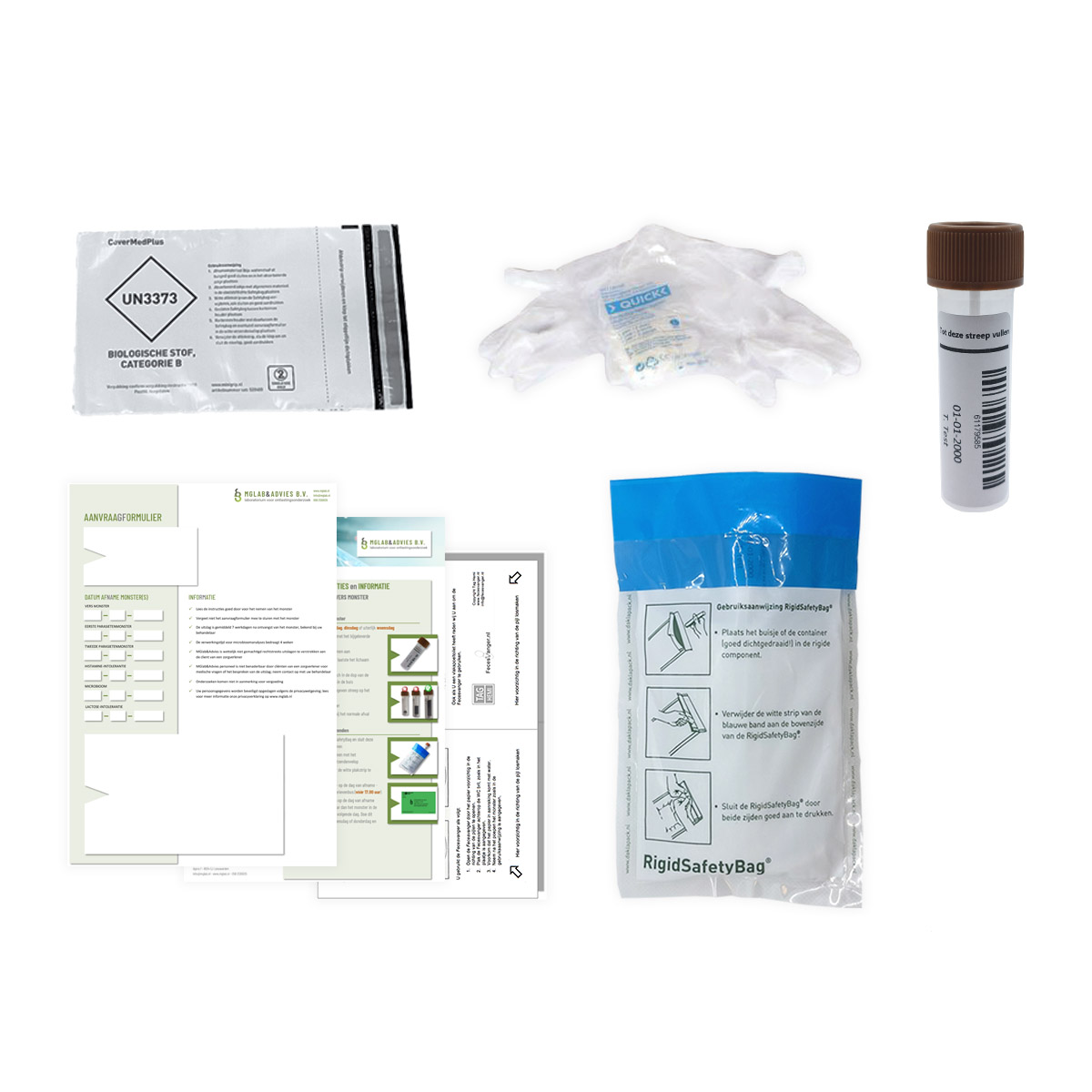
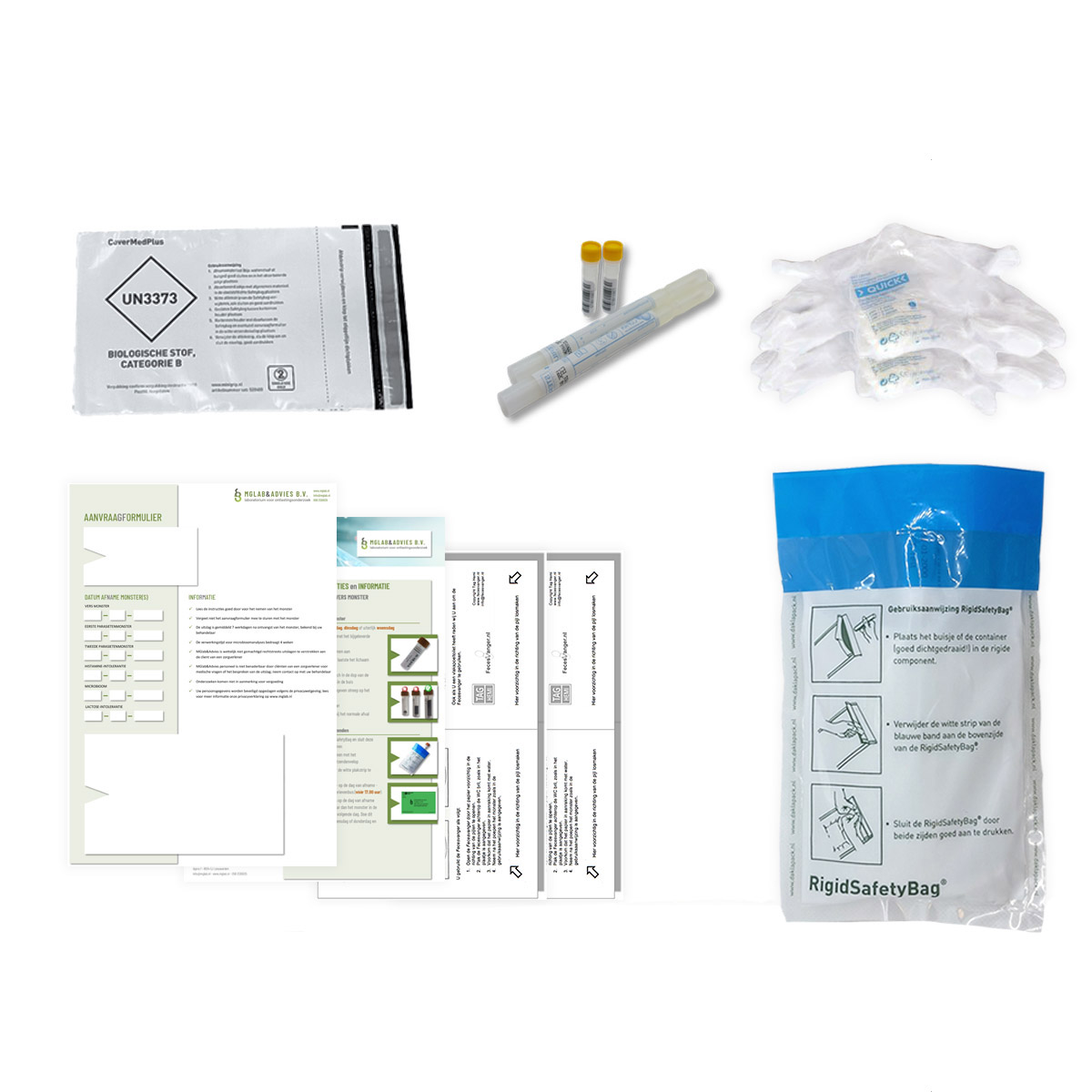
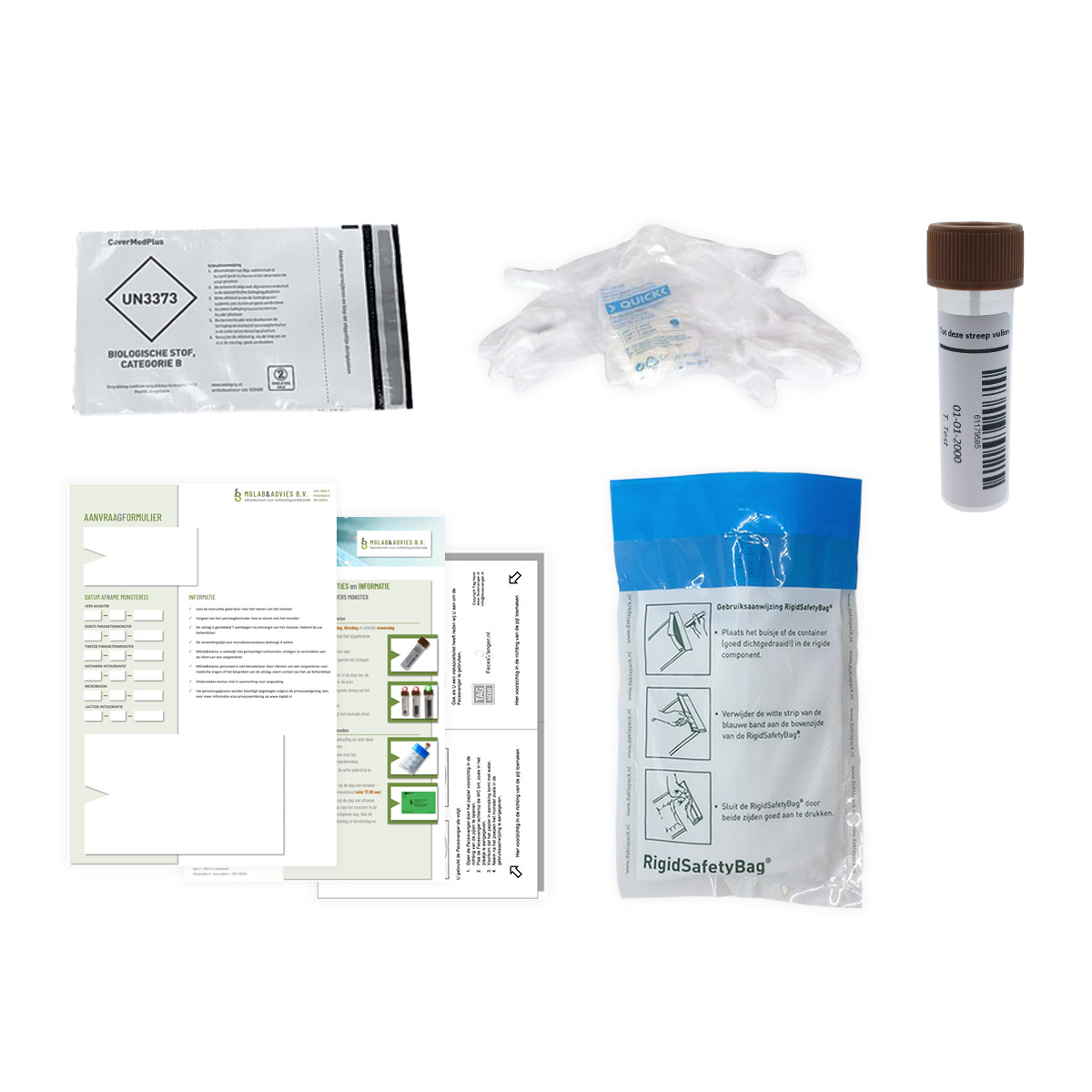
You collect a small amount of stool on two consecutive days in the supplied preservative fluid. The laboratory tests the material by qPCR for these nine targets.
Why qPCR instead of microscopy?
qPCR searches specifically for target DNA and makes it possible to distinguish species that can sometimes be difficult to tell apart by microscopy.
With microscopic examination, a laboratory technician looks in the stool for recognisable forms of a parasite. Detection therefore depends, among other things, on the amount and condition of the material, the staining method used and recognition under the microscope.
With qPCR, we specifically search for target DNA. Small amounts of target DNA can be amplified and detected. This makes it possible to test specifically for multiple organisms and makes the result less dependent on microscopic recognition.
For this 9-species panel, this offers additional advantages. Entamoeba histolytica and Entamoeba dispar cannot be reliably distinguished from one another under the microscope, while their clinical significance differs considerably. Microsporidia are also extremely small and require special stains and considerable expertise for microscopy. Molecular detection enables targeted identification.
That is why Darmklachten.nl deliberately uses qPCR.
Good to know: qPCR detects DNA, but does not prove that an organism is still alive, how severe a possible infection is or to what extent the organism found is causing your symptoms.
What can the result tell you?
For each target, the report shows whether specific DNA has been detected in the material tested.
Positive result
Positive means that DNA from one or more of the nine organisms tested has been detected. If one or both collection days contain sufficient target DNA, the test can be positive.
Negative result
Negative means that no detectable amount of DNA from these nine targets was found in the material tested. Because shedding can vary, a negative result does not completely rule out their presence.
The significance of a positive result differs by organism. Dientamoeba fragilis and Blastocystis hominis, for example, can also be found in people without symptoms. Entamoeba dispar is generally regarded as non-pathogenic. For other targets, such as Entamoeba histolytica, Giardia lamblia or the microsporidia, a positive finding may have a different medical significance.
The result should therefore always be assessed in the context of symptoms, medical history, travel, immune status and any other test results.
About the organisms tested
The significance of a positive finding differs by organism.
Dientamoeba fragilis
Dientamoeba fragilis is a single-celled intestinal organism found worldwide, including in the Netherlands. It is found in people both with and without gastrointestinal complaints. In people with long-term symptoms, a positive finding may be relevant, particularly when other explanations are lacking.
Blastocystis hominis
Blastocystis hominis is a common single-celled intestinal organism found in people both with and without gastrointestinal complaints. There are different genetic subtypes, and the relationship with symptoms is not always clear. A positive result should therefore always be assessed in the context of the symptom pattern.
Giardia lamblia
Giardia lamblia, also known as Giardia duodenalis or Giardia intestinalis, can cause diarrhoea, abdominal pain, gas and sometimes fatty or strongly smelling stools. Infection can occur through contaminated water or food and through direct contact.
Cryptosporidium spp.
Cryptosporidium can mainly cause watery diarrhoea, abdominal cramps, nausea and weight loss. Transmission can occur through contaminated swimming or drinking water, food and contact with infected people or animals. The infection may be more severe in people with a weakened immune system.
Entamoeba histolytica
Entamoeba histolytica causes amoebiasis. The infection is more common in areas with poorer sanitation. Many infected people have no symptoms, but the organism can cause diarrhoea and abdominal pain and, in more severe cases, bloody diarrhoea. qPCR enables targeted species identification.
Cyclospora cayetanensis
Cyclospora cayetanensis can cause prolonged or recurring watery diarrhoea, often with abdominal cramps, bloating, fatigue and weight loss. Infection is mainly associated with contaminated food or water and is more common in tropical and subtropical regions.
Entamoeba dispar
Entamoeba dispar closely resembles Entamoeba histolytica under the microscope, but is generally regarded as non-pathogenic. The main added value of this test is that qPCR can distinguish between the two species and thus interpret an Entamoeba finding more specifically.
Enterocytozoon bieneusi
Enterocytozoon bieneusi belongs to the microsporidia: very small intracellular parasitic organisms. It can cause prolonged watery diarrhoea and weight loss, particularly in people with a severely weakened immune system. Infections also occur in people with a normal immune system, but are often milder.
Encephalitozoon intestinalis
Encephalitozoon intestinalis is also a microsporidium. It can infect the intestine and cause diarrhoea and, in people with a severely weakened immune system, can sometimes also cause problems outside the intestine. This species is much less common than the parasites we usually detect in the Netherlands.
How does the test work?
From collection on two consecutive days to the individual qPCR result for all nine targets.
- You order the test and receive collection materials with instructions.
- You collect a small amount of stool on two consecutive days in the prescribed preservative fluid.
- You package and send the material according to the instructions.
- The laboratory tests the DNA by qPCR for nine targets.
- You receive a separate laboratory result for all nine organisms.
Results and next steps
The significance of a positive result depends on which organism has been detected and on your symptoms and medical history.
The report states for each organism whether DNA has been detected. A positive result does not automatically mean the same thing for every organism: some can be present without symptoms, while others are more clearly associated with an intestinal infection.
If there is a positive finding or persistent symptoms, you can discuss the result with your GP or healthcare provider. Depending on the organism found, follow-up may be intensive. Through Darmklachten.nl, you can request a telephone consultation with experienced healthcare professionals who can help with the practical approach, diet, hygiene and family situation. Prescription medication is provided through a doctor.
Frequently asked questions
Answers to frequently asked questions about the 9-species panel for intestinal parasitic organisms.
The 2-species test focuses on Dientamoeba fragilis and Blastocystis hominis. The 6-species panel adds Giardia lamblia, Cryptosporidium spp., Entamoeba histolytica and Cyclospora cayetanensis. The 9-species panel additionally tests for Entamoeba dispar and the microsporidia Enterocytozoon bieneusi and Encephalitozoon intestinalis. This makes it the broadest parasite panel from Darmklachten.nl.
No. More determinations do not automatically mean that the test is better for everyone. For a targeted question about Dientamoeba fragilis and Blastocystis hominis, the 2-species panel may be sufficient. The 6-species panel is broader for situations such as travel-related or watery diarrhoea. The 9-species panel mainly adds extra information by including Entamoeba dispar and two microsporidia.
Entamoeba dispar is generally not considered pathogenic. Its main added value lies in distinguishing it from Entamoeba histolytica: the two look almost identical under the microscope, whereas E. histolytica can cause disease. Species-specific molecular diagnostics can make this distinction.
Enterocytozoon bieneusi and Encephalitozoon intestinalis are particularly relevant in prolonged watery diarrhoea and weight loss, especially in people with a severely weakened immune system. With such symptoms, medical assessment should always take priority.
Yes. Several organisms in the panel can also be transmitted in the Netherlands. Travel and certain food or water conditions play a more common role for Entamoeba histolytica and Cyclospora cayetanensis. Microsporidia also occur worldwide.
Parasites and parasitic DNA are not necessarily shed in the same amount every day. You therefore collect material on two consecutive days. A negative result makes their presence less likely, but does not completely rule it out.
Follow the enclosed collection instructions and do not stop prescribed medication on your own initiative. Tell your healthcare provider about any recent use of antiparasitic medicines.
Questions about this test?
Contact us if you are unsure whether to choose the 2-, 6- or 9-species panel.
Unsure whether to choose the 2-, 6- or 9-species panel? Contact Darmklachten.nl. We are happy to help you determine which test best matches your question and symptoms.
Order the intestinal parasite test – 9 species
The broadest qPCR panel from Darmklachten.nl for intestinal parasitic organisms.
Would you like the broadest possible qPCR investigation into whether DNA from nine intestinal parasitic organisms can be detected in your stool?
You can order the intestinal parasite test – 9 species at the top of this page.