
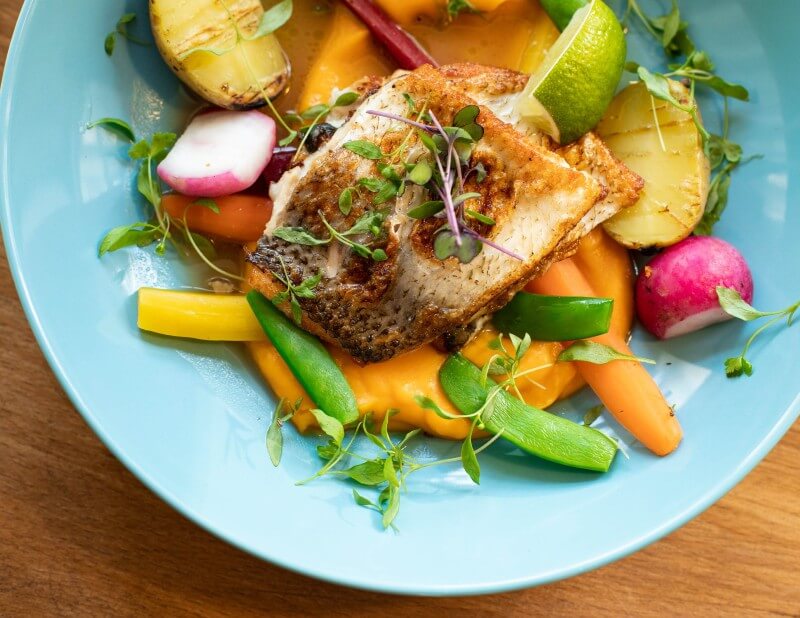
Eating fish is good for the gut flora
The importance of eating fish
People in the Netherlands eat less than 70 grams of fish per week. That is unfortunate, because eating fish is important for health. Fatty fish in particular helps reduce inflammation and contributes to healthy gut flora. A healthy diet consists of vegetables, fats and proteins. Animal proteins are found mainly in dairy products, chicken, red meat and fish. Eating fish is healthier than eating red meat. It is therefore striking that so few people in the Netherlands eat fish. The Dutch Fish Board reports that people in the Netherlands eat an average of 3.5 kilograms of fish and shellfish at home per person per year. That is just under 70 grams per week and slightly less than 300 grams per month. In Belgium, people eat four times as much fish and in Italy eight times as much. In Japan, people eat on average more than 1 kilogram of fish per week. That is 14 times as much as people in the Netherlands. This is remarkable, because people in the Netherlands are much more likely to be 20 kg overweight. Japanese people are not.
Why do people in the Netherlands eat so little fish?
There are several reasons why people in the Netherlands eat so little fish. Many people do not know how to prepare fish, and some think fish is too expensive or are worried about the amount of mercury that may be present in fish. But these objections are unfounded. There are fish species that do not need to be prepared. You can eat them immediately after buying them. Examples are herring, mackerel and small shrimps. Eating fish does not have to be expensive; at a market, you can buy 100 grams of anchovies for one euro. Moreover, the amount of mercury in herring, sardines and anchovies is low, and organically farmed salmon contains no mercury at all. Of course, there are also people who simply do not like fish. But this is also because eating fish frequently is not part of Dutch culture. It helps enormously if you know how to prepare fish, or you can simply add pieces of organically farmed smoked salmon to a salad. It turns out that many people then do enjoy fish.
Important omega-3 fatty acids in fish
It is especially important to eat fatty fish because it contains omega-3 fatty acids. Omega-3 fatty acids in fish protect us against various diseases and the development of allergies. Herring, salmon and shrimps contain approximately 80 to 100 mg of omega-3 fatty acids per 100 grams. It is recommended to eat 100 grams of fatty fish five times a week, such as anchovies, sardines, mackerel or salmon. Fatty fish also contains important vitamins A and D and minerals such as selenium, calcium, iodine, magnesium, copper and zinc.
Fatty fish, omega-3 fatty acids and children
Omega-3 fatty acids, found mainly in fatty fish, are very important for the development of our brain and are also beneficial for the development of the immune system. A mother who eats fatty fish during pregnancy therefore protects her unborn child; the omega-3 fatty acids consumed by the mother may partly help prevent the child from developing allergic reactions to food later in life. When the mother consumes omega-3 fatty acids, this also has a positive effect on the child’s bone density and brain development.
Consumption of omega-3 fatty acids
Eating fish, and therefore consuming omega-3 fatty acids, results in less inflammation. It reduces the risk of heart disease and infectious diseases by inhibiting the formation of inflammatory markers. Eating fatty fish is also advisable for people who are overweight or have diabetes. There is also an association between insufficient intake of omega-3 fatty acids and the brain; in particular, it may play a role in Alzheimer’s disease, dementia and depression. Older people also maintain stronger bones if they eat five to six portions of fatty fish per week.
Omega-6 fatty acids
Nowadays we consume far more omega-6 fatty acids than in the past. Omega-6 fatty acids are vegetable fats found mainly in seeds and nuts, especially sunflower oil, margarines, nuts and seeds. Eating too much of these products is unfavourable. When it comes to fatty acids, the balance between omega-6 and omega-3 fatty acids is particularly important. Too much omega-6 fatty acid may promote inflammation and allergic reactions. During pregnancy, excessive maternal intake of omega-6 fatty acids may also be harmful to the unborn baby. A child who is exposed in the womb to too much omega-6 fatty acid and too little omega-3 fatty acid has a greater risk of allergies later in life, especially to eggs.
Ratio between omega-3 and omega-6 fatty acids
In 1950, the Dutch diet had a better balance between omega-3 and omega-6 fatty acids. The ratio between omega-6 and omega-3 fatty acids was then 1 : 2. In 1950, margarines were not yet on the market and people did not often eat nuts either. They were only available in autumn. In addition, people consumed more omega-3 fatty acids, because herring carts were still common in the streets and also came to people’s homes every week. People therefore bought herring and mackerel very regularly. Other types of fatty fish were also available.
Very little omega-6 fatty acid was consumed because people ate butter and animal fats. More than 50 years ago, vegetable oils such as sunflower oil and margarines entered the market, which have a high omega-6 fatty-acid content. At the same time, the herring cart gradually disappeared from the streets. These are examples of a changing eating pattern that gradually altered the ratio of omega-3 to omega-6 fatty acids. In 2014, the omega-6 to omega-3 fatty-acid ratio was 20 : 1. In people who never eat fatty fish, it was 50 : 1. The lack of omega-3 fatty acids in our diet is a serious and urgent health problem.
Eating fatty fish and the gut flora
Eating fatty fish contributes to healthy gut flora. As mentioned, omega-3 fatty acids are important for children’s brain development. Even an unborn baby benefits if the mother eats fatty fish during pregnancy and while breastfeeding. This helps the baby develop better gut flora. Omega-3 fatty acids may be added to infant formula; most infant formula now contains them.
Gut bacteria
Healthy people have more Faecalibacterium in the intestine; these bacteria digest vegetables and produce fatty acids. Faecalibacterium is one of the most important gut bacteria and makes up 10% of the gut flora. A stool test can determine the numbers of gut bacteria. Blautia species also have a beneficial effect on the intestinal wall. In people with an inflamed intestine, fibre-rich foods and omega-3 fatty acids have an anti-inflammatory effect and the numbers of Faecalibacterium also increase. Healthy people have more Faecalibacterium in the intestine; these bacteria digest vegetables and produce fatty acids.
Blautia
The intestine is rich in bacteria with beneficial properties. Blautia, Coprococcus and Roseburia species appear to produce butyric acid and substances that inhibit inflammation. A relationship between the gut flora and obesity has recently been demonstrated. Children with type I diabetes often have low numbers of Blautia in the intestine. In people with a leaky gut, low numbers of Blautia luti and Blautia wexlerae are seen more often. When the diet contains generous amounts of omega-3 fatty acids, the numbers of Blautia increase and the intestinal wall recovers.
Advice: eat fish!
Our advice is therefore: eat fish! Sustainably farmed organic salmon or wild salmon is recommended. Small fish such as anchovies contain less mercury and are cheaper than salmon.
We advise against farmed salmon, as it often contains residues of chemical substances. If you have histamine intolerance, use only very fresh fish and do not eat smoked salmon or mackerel. And above all, do not eat canned fish! Eat as few nuts as possible; they contain omega-6 fatty acids, which disturb the balance. It is important to consume 10 times as much omega-3 fatty acid as omega-6 fatty acid.
Tips for tasty ways to eat fish: cod fried in coconut oil, salad with smoked salmon, fried anchovies, shrimps with avocado, an occasional herring, grilled sardines from the barbecue, or a tasty bowl of fish soup.
About Darmklachten.nl
Darmklachten.nl is an initiative of MGlab, a laboratory specialising in stool testing. …read more