
Acute bacterial intestinal infection
€ 50,00
An acute bacterial infection of the small intestine can be caused by a number of specific bacteria. You can contract an infection through contact with stool, by eating contaminated food or through water.
The BACTERIAL PANEL module tests for the presence of the bacteria:
- Campylobacter spp.
- Shigella spp.
- Salmonella spp.
- Yersinia enterocolitica
- Clostridioides difficile
€ 50,00
Description
Acute bacterial intestinal infection – stool test for 7 bacterial targets
Do you suddenly have diarrhea, abdominal cramps or other symptoms that may fit a bacterial intestinal infection? With this stool test, we use qPCR to determine whether DNA from seven bacterial pathogens or bacterial groups is present.
This can help identify a possible bacterial cause of acute intestinal symptoms, for example after contaminated food, contaminated water or travel.
Quick links
show
hide
Go directly to the information you are looking for.
When is this test suitable?
Targeted testing for sudden-onset intestinal symptoms that may fit a bacterial infection.
- You have suddenly developed diarrhea, abdominal cramps or abdominal pain.
- Your symptoms began after possibly contaminated food or contaminated water.
- You developed acute diarrhea during or after travel abroad.
- You may have been in contact with someone with a contagious intestinal infection.
- You want targeted testing to determine whether one of the bacterial targets included in the test is present.
This test is mainly intended for acute intestinal symptoms. For long-term symptoms without signs of an acute infection, other tests are usually more appropriate.
Important: if you have blood in your stool, a high fever, severe symptoms or signs of dehydration, contact your general practitioner or out-of-hours medical service.
What do we test?
Using qPCR, we test stool for DNA from seven bacterial pathogens or bacterial groups.
Shigella spp. / enteroinvasive Escherichia coli (EIEC)
Combined detection of these bacterial targets.
Campylobacter spp.
Targeted detection of bacterial DNA.
Yersinia enterocolitica
Targeted detection of bacterial DNA.
Vibrio spp.
Targeted detection of bacterial DNA.
Clostridioides difficile
Testing for the toxin B gene.
Aeromonas spp.
Targeted detection of bacterial DNA.
Salmonella spp.
Targeted detection of bacterial DNA.
Please note: for Clostridioides difficile the toxin B gene is tested, not the toxin itself. The panel tests seven targets; the combined Shigella/EIEC test does not necessarily distinguish between the two.
What can the result tell you?
The test indicates whether DNA from the bacterial targets included in the test has been detected in the sample.
Positive result
A positive result means that the relevant bacterial DNA has been detected. This may fit a bacterial intestinal infection and can help determine what follow-up is needed.
Negative result
A negative result means that no DNA from these seven targets was detected in the sample tested. Other causes of diarrhea, such as viruses, parasites or bacteria not included in the test, remain possible.
Good to know: the test detects DNA, but does not directly determine whether the bacteria are still alive, how severe the infection is, or whether treatment is needed.
Explanation of the bacteria tested
Symptoms that may occur with the bacteria tested and what a finding may mean.
Shigella and enteroinvasive E. coli (EIEC)
Can cause diarrhea, abdominal cramps, fever and sometimes blood or mucus in the stool. Transmission occurs through contaminated food, water or contact with stool. The combined PCR test does not necessarily distinguish between the two.
Campylobacter
A well-known cause of bacterial diarrhea, often with abdominal pain and fever. Infection can occur through undercooked poultry, contaminated water or cross-contamination during food preparation.
Yersinia enterocolitica
Can cause diarrhea, fever and abdominal pain. The abdominal pain can sometimes resemble appendicitis. Infection may occur through undercooked pork, among other sources.
Vibrio
Some species cause diarrhea, for example after eating raw or undercooked shellfish. Not every Vibriospecies has the same medical significance.
Clostridioides difficile – toxin B gene
Can cause diarrhea and intestinal inflammation, especially after antibiotic use. The PCR detects the toxin B gene, not whether toxin is actually being produced. Colonization without illness also occurs.
Aeromonas
Occurs in water, among other environments, and may be associated with diarrhea. The clinical significance of a positive finding is not always clear.
Salmonella
Can cause diarrhea, abdominal cramps and fever. Infection often occurs through contaminated food or contact with animals.
How does the test work?
From collecting the sample at home to the laboratory result for the bacterial panel.
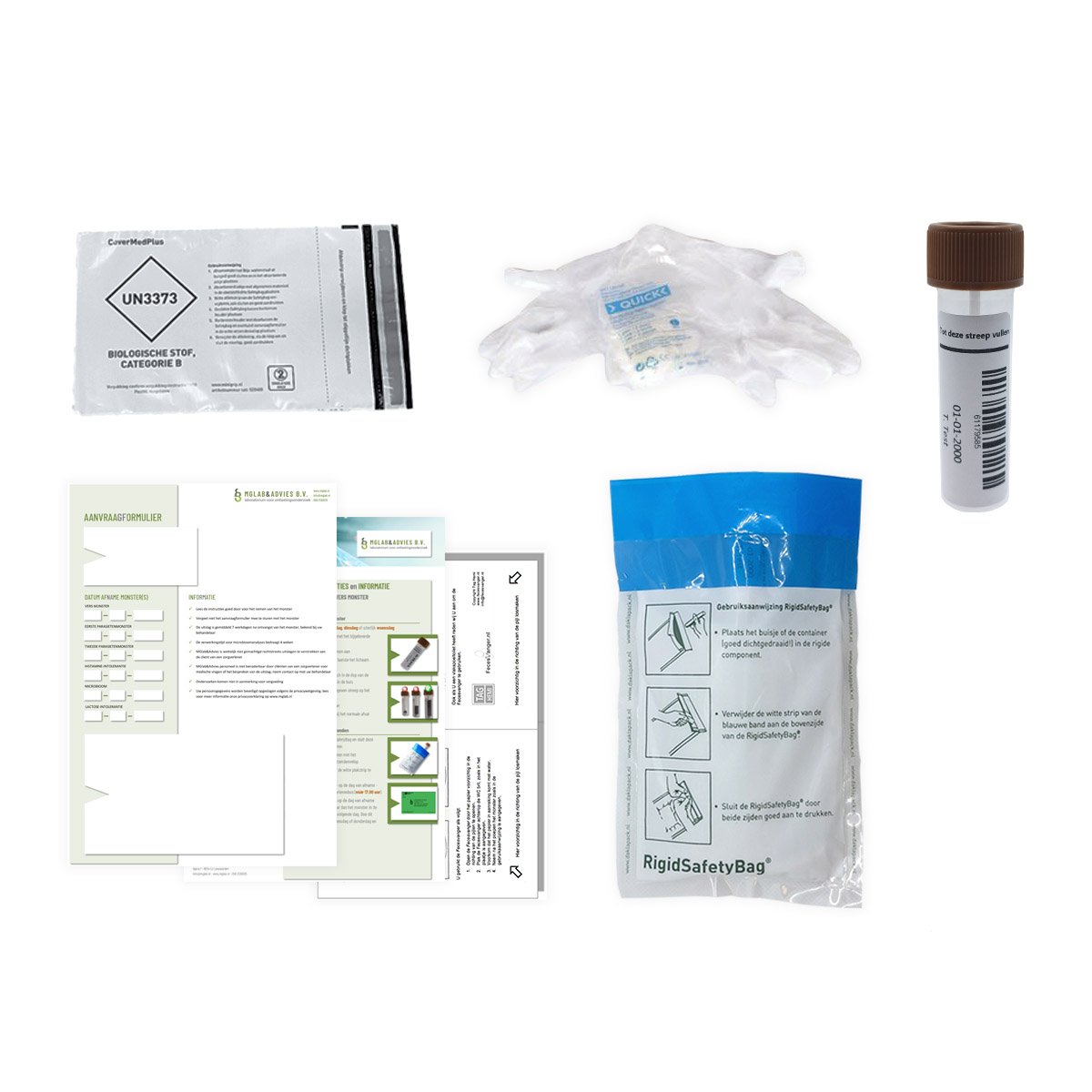
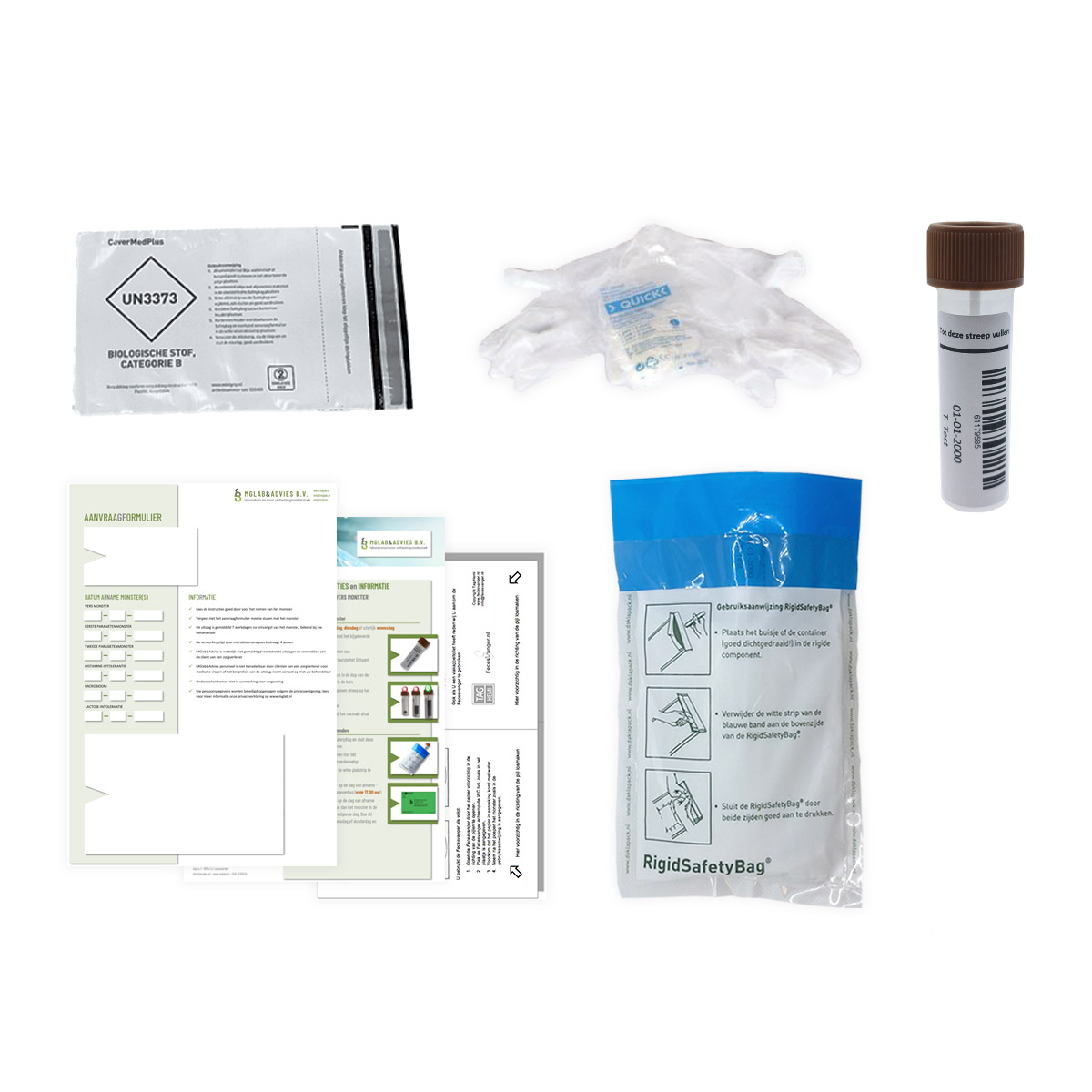
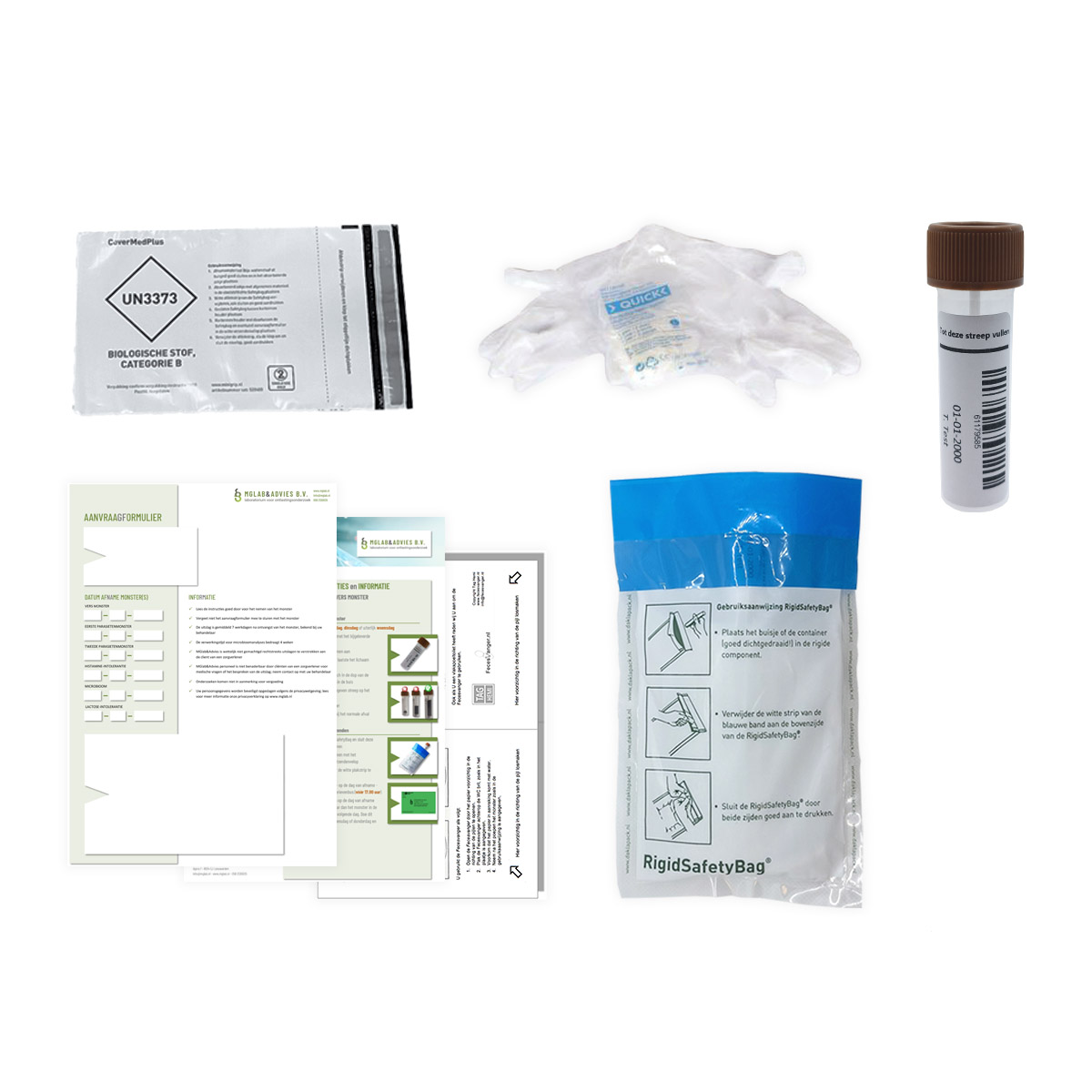
- You order the test and receive collection materials with instructions.
- You collect a stool sample at home according to the instructions provided.
- You package and send the sample according to the instructions.
- The laboratory tests the sample using qPCR.
- You receive the laboratory result.
Results and next steps
Further testing and any treatment depend on the bacterium found, your symptoms and your medical history.
The report states for each bacterial target whether DNA has been detected. With a positive result, your treating physician can assess whether treatment, hygiene measures or additional testing are needed.
Sometimes a bacterial culture is needed for typing or antibiotic susceptibility testing. If C. difficile is suspected, additional toxin testing may be important.
With a negative result and persistent symptoms, other tests for infection may be relevant. The choice depends on your symptoms, medical history and previous results.
Frequently asked questions
Answers to frequently asked questions about the Acute bacterial intestinal infection test.
The test can detect DNA from bacteria that are transmitted through food. Not all forms of food poisoning are covered; some are caused by toxins that this panel does not test for.
For sudden-onset symptoms and a specific suspicion of a bacterial infection, targeted testing can be useful. For chronic gastrointestinal complaints without signs of an acute infection, it is usually not the first choice.
No. Other tests are available for these, for example for norovirus or Giardia.
No. Not all pathogens are included, and sample quality, timing and previous antibiotic use can affect detectability.
Do not stop on your own initiative. Mention recent or current antibiotic use when the result is being assessed.
No. This varies by bacterium and patient. For some intestinal infections, antibiotics are not needed or may even be undesirable.
Questions about this test?
Contact us if you are unsure whether the bacterial panel is appropriate for your symptoms.
Are you unsure whether this bacterial panel fits your symptoms or whether another stool test would be more appropriate? Contact Darmklachten.nl. We will be happy to help you choose.
Test for an acute bacterial intestinal infection
Targeted qPCR stool testing for seven bacterial targets in acute intestinal symptoms.
Would you like targeted testing to determine whether one of these bacterial pathogens is present in your acute intestinal symptoms?
You can order the Acute bacterial intestinal infection test at the top of this page.